A couple lying head to head on the ground, looking at each other — couples and relationship therapy in Los Angeles
✓ LA COUPLES & RELATIONSHIP Therapists

LA relationship therapy 
for every stage of love.

We believe in the power of relationships to provide joy, support, and meaning in our lives. Whether you’re dating, engaged, newly married, or in a long-term partnership, our therapists create a compassionate and safe environment to explore, heal, and strengthen your relationships.

Love gets hard in many ways.

A few of the relationship challenges our therapy clients bring to us.

constant criticismrebuilding trustintimacy concernsdating burnoutpeople-pleasingjealousyemotionally unavailable partnerspremarital questionsblending familiesfeeling distantwalking on eggshellssame fight, different day
WHY WE DO THIS WORK
“Love does not consist in gazing at each other, but in looking outward together in the same direction.”
— Antoine de Saint-Exupéry
FROM THE FOUNDER OF MY LA THERAPY

A mini deep dive into relationships.

Our founder, Brooke Sprowl has 20 years specializing in couples, relationships, and the patterns underneath them. Her signature approach, Nervous System-Based Therapy, works at an unconscious level to shift the patterns running the show beneath the surface.

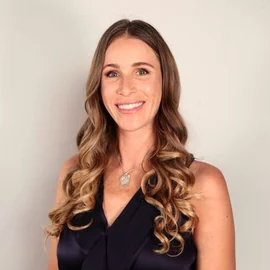
Brooke Sprowl, LCSW, founder of My LA Therapy
Brooke Sprowl, LCSW
Founder & Clinical Director
20 years in practice
More from Brooke on relationships
B.S Speaks About Codependency
B.S Speaks About Dating
Cycle of Abuse in Relationships
The biggest reason couples SPIRAL in communication
The hidden reason that keeps couples STUCK in the same fight
This subtle mistake can inadvertently push your partner AWAY
WHAT RELATIONSHIP STRUGGLES SOUND LIKE

Does this sound like you?

“I keep choosing the same kind of person and hoping for a different ending.”
“I say yes when I mean no, and then I resent it.”
“We’re getting married, and there are conversations we still haven’t had.”
“The moment someone gets close, I want to run.”
“I know this relationship is hurting me, and I still can’t leave.”
“We’re blending two families, and everyone is on edge.”

If you're nodding, that's exactly where we begin.

Find my therapist →
Research-based therapy for relationships

Feel more connected to yourself and each other.

Our relationship therapy focuses on interrupting patterns of communication by teaching practical, actionable skills for self-regulation and effective communication, and bringing unconscious relational dynamics into the light of awareness.

As we shift our unconscious patterns, we can see each other clearly once again. And as we restore our relational connection with one another, we ourselves heal in the process. Effective couples therapy simultaneously addresses unconscious individual and relationship dynamics, fostering individual responsibility, renewed empathy, and shared intimacy.

In this way, we turn vicious cycles into positive feedback loops that help transform your partnership and yourself in the process. Below are a few of the most common challenges we help with:

The good news
Relationship therapy is backed by extensive research.

Our methods show significant effectiveness in enhancing relationship satisfaction, communication, and emotional connection. We utilize proven approaches such as:

Communication issues
Intimacy concerns
Rebuilding trust
Life transitions
Modern relationships
HOW RELATIONSHIP PATTERNS SHOW UP

Petty fights are rarely
about the petty thing.

Often fights that seem petty can point us to deeper, unspoken issues within our relationships that need attention and healing. These seemingly trivial fights are usually an expression of that which has not been communicated directly.

Often in relationships we feel that we have tried to address a problem a hundred times but to no avail, and getting through to our partners just doesn’t seem to work.

When we repair the damaged interactional patterns, we don’t have to work through every single conflict that arises. We heal the underlying issues so that the shift extends to all subsequent interactions.

ATTACHMENT AND RELATIONSHIP PATTERNS

There’s a reason you keep finding the same patterns.

Ever wonder why you have such a hard time finding successful relationships, or why you tend to run the other way when someone gets too close? There’s an actual theory that can explain why you keep finding yourself stuck in the same relational patterns you can’t seem to shake. It’s called attachment theory.

Attachment theory is the concept that our attachment style with our primary caregivers directly affects our relationships throughout our entire lives. Through these early interactions, we develop “working models” for how relationships are and how to act within them, creating certain assumptions and blind spots that can cause problems if left unchecked. Those with avoidant, anxious, and fearful attachments will often struggle with relationships:

Pulls away
Avoidant Attachment
  • Highly independent
  • Uncomfortable getting close to anyone
  • Doesn’t rely on a partner, and believes a partner shouldn’t rely on them
  • May seem emotionally unavailable
Reaches for more
Anxious Attachment
  • Craves constant intimacy
  • Can push people away by demanding too much
  • Tends to be insecure in the relationship
  • Fears that a partner will leave
Push-pull
Fearful-Avoidant Attachment
  • Longs for intimacy, but fears getting too close
  • Feels conflicted about intimacy
  • A great deal of push-pull in relationships
  • Often attracts partners who are avoidant
SECURE ATTACHMENT

Your attachment style is not a lifelong sentence.

Secure attachment is the gold standard of attachment. Secure people are comfortable with intimacy and vulnerability. They trust their partners and tend not to fear rejection or abandonment. Secure attachment allows for both space and closeness in equal measure, promoting both intimacy and individuation.

Our trained therapists are here to help you break free of the past so you can establish healthy relationships in your future.

RELATIONSHIP CONCERNS WE TREAT

Wherever you are in love, we can help.

We have experience working with couples of all ages and at various stages in their relationships, whether dating, engaged, newly married, or in a long-term marriage or partnership. Below are the relationship concerns we help with most, and how each may show up:

A couple in silhouette, face to face against a sunset sky — couples therapy in Los Angeles
Couples Therapy

For partners who want better communication, less criticism, and a closer bond.

  • –Poor communication or unspoken conflicts
  • –Past pain getting in the way of connection
  • –A relationship that can feel like a warzone
  • –A foundation of trust that has weakened
  • –A close bond that seems to have disappeared
Two hands tied to each other by a red thread — codependency and boundaries therapy in Los Angeles
Codependency & Boundaries

When a relationship hurts and you still have a hard time leaving.

  • ✓Wanting to please people all the time
  • ✓Finding it really hard to say “no”
  • ✓Low self-esteem, or feeling you are not enough
  • ✓Weak boundaries
  • ✓Euphoric highs and painful lows
A couple holding hands over coffee at an outdoor cafe table — dating therapy in Los Angeles
Dating Therapy

For when modern dating feels harder than ever before.

  • Cycling through dating apps
  • Going after people who are emotionally unavailable
  • Trust issues and fears of settling
  • Low self-esteem and lack of confidence
  • Self-sabotaging habits of thinking and relating
Two men laughing and walking arm in arm in a park — LGBTQ+ therapy in Los Angeles
LGBTQ+ Therapy

For anyone who has had to leave vital parts of themselves at the door.

  • +Social expectations surrounding relationships
  • +Coming out to family or friends
  • +Familial rejection, bullying, or stigma
  • +Questioning your sexuality or gender identity
  • +Feeling numb and disconnected from others
Three partners sitting close, two kissing the cheeks of the one in the middle — polyamory and non-monogamy affirming therapy in Los Angeles
Polyamory & Non-Monogamy

Affirming therapy for relationships built on communication, trust, and intentional choice.

  • –Stigma and judgment from family or society
  • –Agreements around intimacy, time, and expectations
  • –Jealousy and insecurity
  • –Honoring multiple partners with care and respect
  • –Introducing partners to family
Black leather accessories arranged on a dark surface — BDSM and kink-friendly therapy in Los Angeles
BDSM & Kink

A non-judgmental place where your kink is understood, never pathologized.

  • ✓Coming out to yourself, a partner, or someone else
  • ✓Mismatched sexual preferences in a relationship
  • ✓Fear of others discovering your interests
  • ✓Telling a consensual dynamic from an abusive one
  • ✓Guilt or shame after crossing a partner’s boundary
Two hands clasped, one wearing an engagement ring — premarital therapy in Los Angeles
Premarital Therapy

For couples who want to enter their marriage with eyes wide open.

  • The big conversations: money, child-rearing, sex, and work-life balance
  • Making sure you’re on the same page
  • Deeply dedicated, and looking for that extra spark
  • Reversing the hurtful patterns in your relationship
  • Communicating love and hurt so your partner can hear
A couple standing side by side, looking in different directions — divorce and blended family therapy in Los Angeles
Divorce & Blended Families

When a marriage ends, or two families become one.

  • +Children stressed by many changes at once
  • +A child who resents a stepparent as a “replacement”
  • +Differing parenting and discipline styles
  • +Sibling rivalry in the new household
  • +Adjusting to new roles as part of a larger family
COUPLES THERAPY

How we work with couples.

Love can be one of the most powerful and beautiful experiences in life, but at times it can also bring us more pain than joy. When that happens, it’s time to reach out to a couples therapist who can help put you back on track.

“Sometimes two people have to fall apart to realize how much they need to fall back together.”
— Unknown
1

See both sides

During couples therapy, you will learn how both you and your partner play a role in the problems within your relationship.

2

Talk openly, in a safe place

With the guidance of our therapists, you will learn to communicate openly in a safe environment and begin to uncover the root of the problems you’re experiencing.

We will help you identify the pain points of your relationship and teach how to change the dynamics.

3

Reset your expectations

We’ll also explore how past experiences contribute to differing expectations about behavior, communication, and conflict resolution.

As you become more aware of the assumptions you carry into the relationship, you can begin to create a new set of expectations that both of you understand and support.

4

Rebuild trust

Once each of you takes responsibility for your own behaviors, you will begin to heal the trust within your relationship and restore a deep sense of intimacy and love.

A couple holding hands across a sofa during a session with their therapist — couples therapy in Los Angeles
Where it leads · Our goal

Our goal is for you to leave our sessions feeling empowered and able to freely express your love again — and to regain a deeper, more satisfying relationship.

Couples therapy →
OUR COUPLES THERAPY METHODS

Three methods we use,
and how each one works.

There are several methods that we use in couples therapy, including the Gottman Method, Imago Method, and Emotion Focused Couples Therapy. Here’s a breakdown on how each of these methods work.

01
The Gottman Method
Helps you

Build the everyday foundations of a healthy relationship.

Gottman Method →

This method was created by Dr. John and Dr. Julie Gottman, and focuses on nine foundational components that are needed to build a healthy relationship.

The nine foundations
Staying close
  • Love maps. Knowing your partner’s worries, stressors, and the things that bring them joy.
  • Fondness and admiration. Showing each other respect and appreciation.
  • Turning toward each other. Telling your partner what you need, and letting them into your life instead of blocking them out.
Handling conflict
  • A positive perspective. Approaching problems together with a positive outlook.
  • Managing conflict. Understanding that conflict is normal, and that each of you has your own way of dealing with it.
  • Trust. Knowing you can rely on your partner to stand up for you and be there for you.
Building a future
  • Life dreams. Encouraging each other’s hopes and dreams.
  • Shared meaning. Understanding the goals you share and the roadblocks in your way.
  • Commitment. Staying committed to each other, for a long-lasting and fulfilling relationship.
02
Imago Therapy
Helps you

Understand why each of you reacts the way you do.

Imago therapy →

This type of method is useful in understanding your own and your partner’s childhood trauma and feelings.

What it helps you do
See the why

Understand why each of you is acting the way you do.

Resolve it

Learn how to resolve these issues.

Move forward

Move forward together in a more healthy manner.

03
Emotionally Focused Therapy
Helps you

Feel safe and close with each other again.

EFT for couples →

This method focuses on the importance of emotions and social connections.

What it aims to do
A secure bond

Establish a secure bond between the two of you.

Better interactions

Shift interactions between you and your partner towards a positive direction.

Clearer emotions

Understand and organize your emotional responses.

✓

Emotion-Focused therapy has been proven to be extremely effective between many different types of couples, throughout different ethnicities and locations around the world. It has also been proven to be effective with couples facing anxiety due to trauma, depression, or any chronic illnesses.

✓

Therapy can successfully improve your life by helping you identify and change underlying thought and behavioral patterns that contribute to your struggles, and providing you with strategies to decrease discomfort while restoring an overall sense of peace. Our evidence-based, scientifically proven interventions are demonstrated by research to be effective in addressing issues commonly faced by couples and other mental health issues that may be having a detrimental effect on your relationship.

OUR RELATIONSHIP THERAPISTS

Not the next name
in a directory — the right therapist chosen for you.

Every therapist on our team is rigorously vetted and trained by our founder, Brooke Sprowl, LCSW, with 20 years of clinical experience. So when you come to us about your relationships, we get to know your unique needs, personality and preferences then match you with the right specialist for you.

THERAPISTS SPECIALIZING IN RELATIONSHIPS

Meet our couples and relationship therapists.

Personally vetted and trained by our founder, our team has special training in Nervous System-Based Therapy, offering real-time feedback on the unconscious patterns and defense mechanisms that keep relationships stuck.

Meet the whole team →
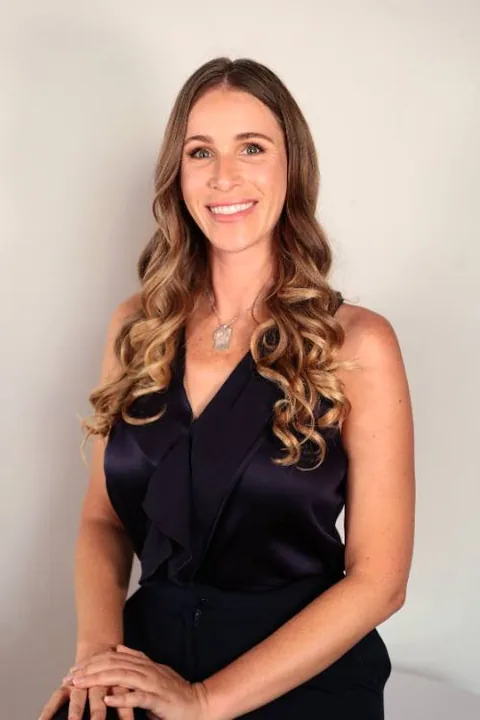
Brooke Sprowl
Brooke Sprowl
LCSW · Founder & CEO
Couples TherapyCodependencyDating TherapyDomestic Violence
Heather Totten
Heather Totten
LMFT
Couples & FamilyPremaritalDivorce & Blended FamiliesAttachment Theory
Sydney Shaevel
Sydney Shaevel
LMFT
Couples TherapyDating TherapyDomestic ViolenceGottman Method
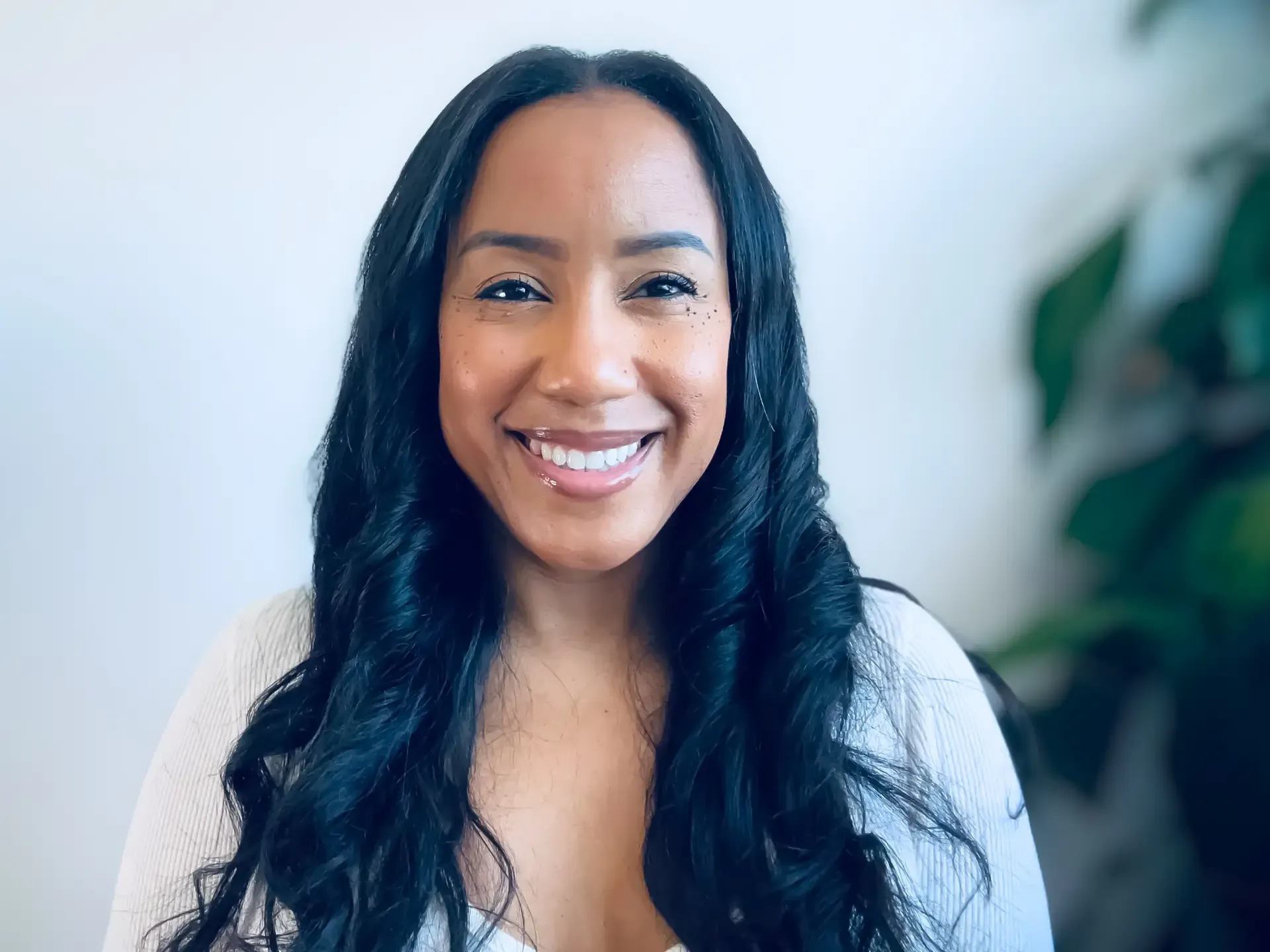
Myesha Reynolds
Myesha Reynolds
AMFT
Couples & FamilyPremaritalBDSM & KinkEFT
Emilee Johnsen
Emilee Johnsen
LCSW
CodependencyDating TherapyDivorce & Blended FamiliesInterpersonal Therapy
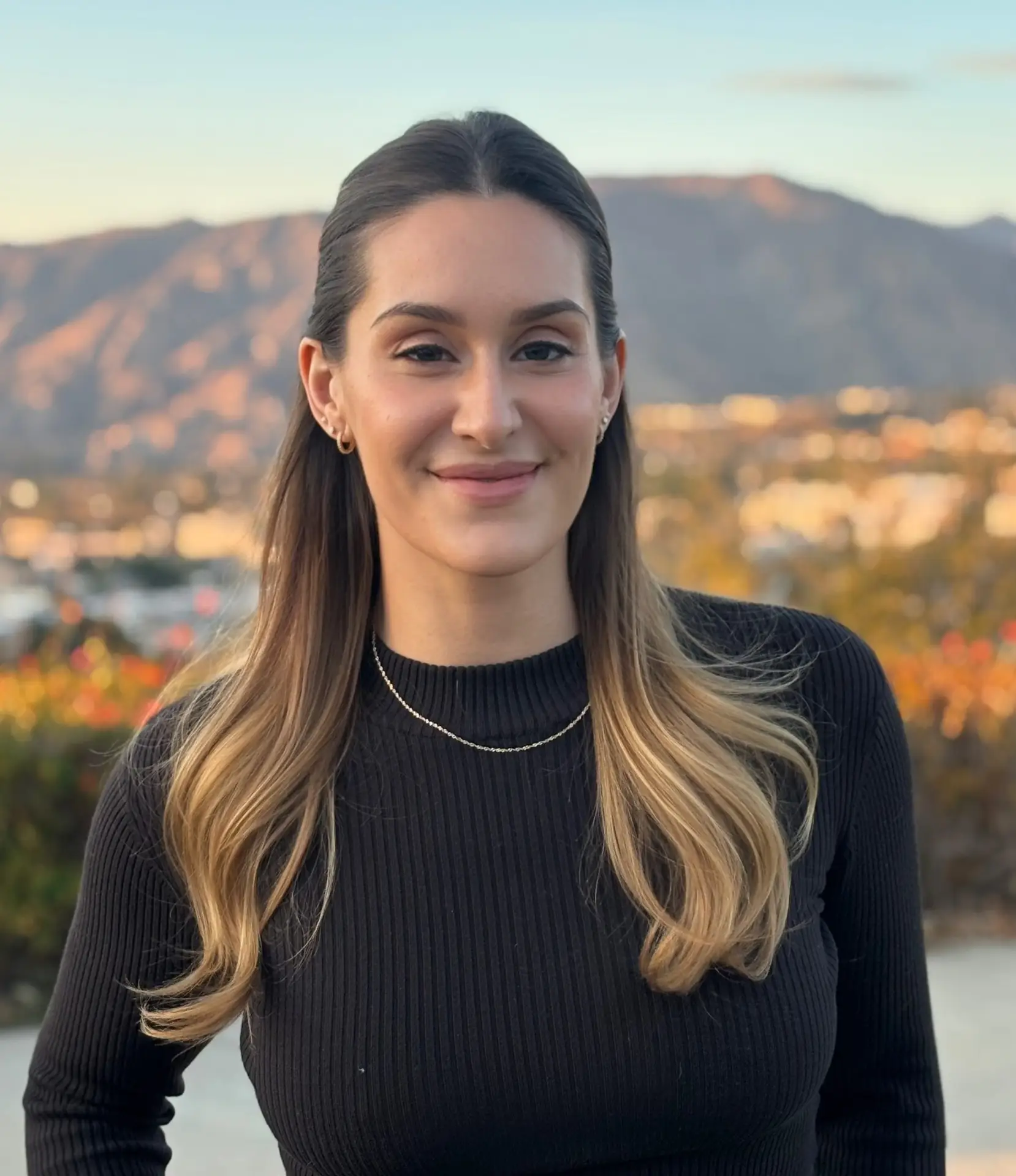
Michelle Stroffolino, ACSW — relationship therapist at My LA Therapy in Los Angeles
Michelle Stroffolino
ACSW
Couples TherapyDating TherapyRelationshipsLGBTQ+
The standard we hold
Twenty years of clinical experience behind every match.
★ 4.9average rating
100%match guarantee
Hand-matched, on us

Stop searching. We'll do it for you.

Tell us what's going on and we'll hand-select the right therapist for you.

1
You share what's going on
A few details — that's this form.
2
We hand-match you
Our therapist matching specialist personally matches you, usually the same day.
3
You meet, and decide
Love your therapist or get a full refund on your first session.
★★★★★
"I was in therapy on and off for 20 years. Brooke did more in one session than years of work with my previous therapists."

Let's find you the right therapist.

✓Every therapist vetted by Brooke Sprowl, LCSW · 20 years in practice
How can we help? *
Choose any that apply.
Which locations are most convenient for you?
More locations = more options
Free & confidential · Love your therapist — or your money back
★★★★★
"I was in therapy on and off for 20 years. Brooke did more in one session than years of work with my previous therapists."
Client reviews

What our clients
say about the work.

★★★★★Verified client reviews
★★★★★
You did more in 45 minutes than my last therapist did in a year!
★★★★★
From the beginning of our session, Brooke knew exactly what tools and questions would work for my particular psychology. No other therapist has been able to do that.
★★★★★
I felt very seen, understood, and supported. Brooke went right to the source of the issue while staying so gentle and kind.
★★★★★
Brooke has the true gift of insight and compassion, getting straight to the heart of your blind spots in a way that’s truly changed my life.
★★★★★
Therapy helped me untangle so much confusion and bring peace to where I once felt fear. I feel free and alive for the first time in a long time.
★★★★★
My vivid imagination wants to create terrifying monsters under the bed. In a lot of cases those monsters are nothing more than a heap of laundry that just needs to be aired out.
Status quo vs. My LA Therapy

There’s a better way to
find your therapist.

Status quo
The My LA Therapy way
✕You cycle through dozens of therapists, unsure if they really fit your needs.
✓We personally match you with a therapist who fits your unique needs, personality, and preferences.
✕Therapists offer a listening ear but little feedback.
✓We offer practical feedback and actionable advice, challenging you to think and exist differently.
✕The therapy focuses on intellectual insight, leaving deeper problems untouched.
✓We intervene on a somatic and nervous system level, interrupting unconscious patterns in real-time.
✕Symptoms get managed on a superficial level so the same patterns keep repeating.
✓We treat the root cause and provide tangible, research-based tools that create lasting change.
✕You pay for your session whether it's the right fit or not.
✓We guarantee you’ll love your therapist or you get a full refund on your first session.
Our founder’s signature approach

Nervous System-Based Therapy.

The original framework our founder developed over twenty years in practice, and the backbone of how we work with relationships: with the two nervous systems in the room, not just the words being said.

✓Developed by our founder Brooke Sprowl, LCSW
01

Physiological calibration

Real-time nervous system regulation and autonomic tracking lets us read what your system is doing as closeness, conflict, or distance comes up — the bracing, the shutdown, the urge to pursue — and work with it as it happens.

02

Defense system mapping

The ways we protect ourselves in love, such as people-pleasing, pulling away, or criticizing first, were learned long before this relationship. We identify and compassionately interrupt these defense mechanisms so they stop running your relationships.

03

Multi-modal processing

Relationship patterns travel different pathways in different people — through thinking, emotion, the body, and attachment history. We work somatically, experientially, cognitively, and with parts, understanding that each pathway requires different interventions.

See how it works →
How we support relationships

Research-based relationship therapy, not one-size-fits-all.

By integrating a variety of therapeutic techniques, we are committed to providing the most effective strategies for each couple, ensuring that your journey together is rooted in understanding, respect, and love. Every approach below has been tested in clinical research, and your therapist draws on the ones that fit you.

All approaches →
HELP FOR YOUR RELATIONSHIPS STARTS HERE

Start with a free call.

Our therapist matching specialist knows every therapist on our roster personally and who is the best fit for your unique needs and personality.

✓30 minutes, free. No charge, no commitment.
✓We listen, then hand-select your therapist from our small, boutique roster.
✓We guarantee you’ll love your therapist or you get a full refund on your session.
Book a free call →
Illustration of a therapist and client in conversation
LA RELATIONSHIP THERAPY, YOUR WAY

Relationship therapy across Los Angeles.

Our warm and experienced LA relationship specialists meet you where it works best — in person at 7 offices across the city, online anywhere in California, or in your home — or a mix of all three.

*Available within a certain radius — get matched to find out more.

7 LA offices
A NOTE FROM OUR FOUNDER

Relationships can bring great pain.
And profound growth.

I spent more than 10 years seeking help for my own mental health with over a dozen different therapists. I know this territory so deeply because I've lived it personally. I know how lonely it can feel to love someone and still not feel understood, and how easy it is to start wondering whether the problem is you.

You are not too needy, and you are not too much. The patterns that show up in love tend to follow brilliant, capable, deeply feeling people. In twenty years of practice, my clients are some of the most extraordinary people I've ever met.

Relationships change as you learn to work with the nervous system rather than against it, noticing the moment your body braces, shuts down, or reaches, and what it is asking for. In this way, you restore your capacity to trust yourself, repattern the way you attach, and reconnect with a sense of closeness and aliveness.

Brooke Sprowl, LCSW
Brooke Sprowl, LCSW, founder and clinical director of My LA Therapy
Brooke Sprowl, LCSW
Founder & Clinical Director
20 yearsin practice
My LA Therapy logo
Nonviolent Communication

Empowered Communication Guide

Mastering empowered communication with NVC.
Brooke Sprowl, LCSW
Free resource for relationships & communication

Say what you need, without the blame.

A free guide to the four steps of Nonviolent Communication: observation, feelings, needs, and requests. Use it with a partner, a date, a parent, or anyone you want to feel closer to.

Inside the guide · 15 pages
My LA Therapy logo
Nonviolent Communication

Empowered Communication Guide

Mastering empowered communication with NVC.
Brooke Sprowl, LCSW
Cover
My LA Therapy
Empowered Communication Guide
Introduction

Mastering empowered communication with NVC

Most of us have been taught to communicate passively, critically, or manipulatively — and that’s so normal to us that we don’t even realize we’re doing it. That is, until we find ourselves feeling powerless to get our needs met, repeating the same conflicts with those we love, and feeling alone or trapped in our relationships.

The NVC framework provides a systematic approach, not only to healing our communication with others, but also to healing our relationship with ourselves by teaching us to be present to our own needs, feelings, and requests without blaming others or internalizing shame.

This is a lot harder and a lot deeper than it sounds. Deep down, poor communication often stems from anxiety. Half the time, we’re not even aware of our anxiety because we’re so used to it. And anxiety prevents us from being aware enough of our own needs, feelings, and requests to communicate them clearly, directly, and without blame or shame.

Half the time, we have no idea that what we are attempting to communicate is not at all what we are actually saying.

So we feel like we’ve expressed our needs a hundred and one times, but in actuality we’ve done so in ways that were passive, unclear, or blame-based. And that usually means we don’t get our needs met and this can breed resentment, feelings of victimhood, and shame. What’s even worse is this usually leads to a self-reinforcing snowball of critical, passive-aggressive, or unclear communication between ourselves and others.

Introduction
My LA Therapy
Empowered Communication Guide
Introduction · continued

When left unaddressed, this feedback loop can affect every area of our lives from work, to relationships, to our general sense of self-efficacy and self-worth. Because when we don’t know how to get our needs met, we sometimes start to think our needs don’t matter, and then we draw the mistaken and painful conclusion that we don’t matter.

But that’s where NVC comes on the scene to break this vicious cycle and create a new positive feedback loop of clarity, empathy, and mutual responsibility. Not only does this improve our communication skills, but it improves our self-awareness, emotional IQ, and relational connections. Then this becomes the new self-reinforcing cycle in a new direction.

NVC teaches us to take full ownership of our needs, values, and feelings and to make clear, actionable requests. Using NVC we learn to remove criticism, judgment, and blame from our communication entirely. This is a minor miracle in a culture where criticism and control seem to undergird a majority of our communication.

What’s even more incredible is that as we remove shame and blame from others, we begin to heal our own self-judgment at the same time. This is deeper work that cuts to the heart of so much of the unconscious problems that call the shots behind the scenes in our lives.

I highly recommend Marshall Rosenberg’s groundbreaking book, “Nonviolent Communication.” Buy it by clicking here.

For the TL;DR, or those who want a succinct “cheat sheet” to help reinforce and practice the principles, here you go!

Use this as a reference any time you need help identifying your needs and feelings or any time you’re noticing you’re feeling disempowered, shameful, or resentful in relationship to others.

Nonviolent Communication has been absolutely life-changing for me because it goes beyond the surface and gets to the root causes of communication issues, healing ourselves and our relationships in one fell swoop.

Enjoy the power and transformation available to you by engaging deeply with this approach and practicing the principles.


Brooke SprowlBrooke Sprowl
Introduction, continued
My LA Therapy
Empowered Communication Guide
The framework

The four principles of NVC

Nonviolent Communication moves through four components. They can be expressed in any order — what matters is that each one is present, clear, and owned.

01
Observations
Neutral, sensory descriptions of what actually happened — free of judgment.
02
Feelings
The emotions and physical sensations that alert us to the state of our needs.
03
Needs
The universal life energy — the resources we require to sustain and enrich life.
04
Requests
Specific, actionable invitations to contribute to the well-being of yourself and others.
The four principles
My LA Therapy
Empowered Communication Guide
Principle 01 · Observations

Observations

Observations are descriptions of facts as reported by our physical senses or our inner senses. Examples of facts that come from our physical senses (5 senses) are an exact quote you heard someone say or a neutral description of a specific event you witnessed. Inner senses also include our inner voice, vision, and thoughts.

Neutral observations are characterized by:
Direct, sensory experience
Specific to time and context
Free of judgement, criticism, blame, shame, or analysis
We communicate our experience in neutral, fact based language, focusing on physical sensations and direct experience
The key distinction

Observations are neutral statements of what you actually and objectively see or hear — objective facts without subjective filters. Evaluations are the opposite: moral or value judgements of good and bad, right and wrong, appropriate and inappropriate, that are subjective to each person and often elicit shame and blame when we frame the world in this way.

Observation
Neutral statements of what you actually and objectively see or hear; objective facts without subjective filters.
Example
“I saw you come into work after 9am three times this week.”
Evaluation
Communication that demonstrates implicit or explicit shame, judgments, labels, blame, analysis, and interpretations.
Example
“You come in late a lot and that’s very unprofessional.”
vs

In the evaluation above, “a lot” is not specific and “unprofessional” is an evaluation, rather than a neutral observation.

Observations
My LA Therapy
Empowered Communication Guide
Principle 02 · Feelings

Feelings

Feelings are composed of emotions and physical sensations. Physical sensations and emotions are how our bodies alert us to the state of our needs.

Feelings include:
Core emotions such as anger, sadness, happiness, and fear, which are universal across all cultures and people.
Physical sensations such as heart fluttering, tight jaw, pit in the stomach.
The key distinction

Feelings express pure emotions and bodily sensations, fully owning your own experience — rather than what you think or perceive someone is doing to you. “Blame verbs” are thoughts disguised as feelings that often contain implicit blame. If you can add “by you” to the end of a word (e.g. “I feel insulted by you”), it’s usually a sign that you’re using a blame verb.

A true feeling
Pure emotion or bodily sensation that fully owns your own inner experience.
Example
“I feel sad.” · “I feel tight in my chest.”
A blame verb / thought
A thought, blame, or judgment disguised as a feeling — insulted, attacked, unappreciated, disrespected, ignored, misunderstood.
Example
“I feel insulted.” · “I feel like you are being unfair.”
vs

We often start statements with “I feel” but they end with thoughts, blame, and judgments rather than actual feelings and sensations. Mistaking thoughts for feelings prevents us from being present and connected with our inner experience and alienates us from ourselves and others.

Feelings
My LA Therapy
Empowered Communication Guide
Principle 03 · Needs

Needs

Needs and values are the resources we require to sustain and enrich life. Needs and values are considered to be our universal life energy, that which motivates and sustains us. They are intangible, without reference to specific people, actions, or things.

Needs are:
Needs are universal.
Needs transcend culture and conditioning.
Needs make no reference to how another person is behaving or should behave.
Values are usually equivalent to needs.
The key distinction
Needs and values are distinct from strategies, blame, and “should thinking.”

Strategies are specific means we use to attempt to get our needs met. Strategies are usually indirect attempts at control and often backfire in one way or another.

“Should thinking.” When we use the word “should” that’s also a sign that we’re assigning a judgment to something rather than expressing our needs.

Blame is when we ascribe responsibility to someone else for our feelings, actions, and triggers. NVC teaches us to take full responsibility for our own experience and behavior without blaming others and seeing them as causing how we feel.

Needs
My LA Therapy
Empowered Communication Guide
Principle 04 · Requests

Requests

Requests are invitations to contribute to the well-being of yourself and others with specific, actionable questions. Requests are concrete questions posed with the intention of fulfilling a need; specific actions stated in the positive (what we do want, rather than what we don’t want); and immediately doable.

Three types of requests:
1
Clarity
2
Feedback
3
Action
The key distinction
When making a request, it is important to be willing to hear a “no.” Ask yourself beforehand if you are attached to a particular outcome or action — because if you are, your request will likely be a demand or expectation in disguise, and may be a veiled way to control or manipulate another person indirectly. If your health or physical safety is at risk, that is the exception.

Request — made in the present, and doable, concrete, specific, and affirmative actions — a “do want,” rather than a “don’t want.” The asker is willing to hear “no.” e.g. “Would you fill up the gas tank by tonight?”

Demand — uses fear, guilt, shame, manipulation, or reward. Demands include a threat of punishment or the promise of reward linked to a behavior. e.g. “If you don’t do this, you’ll regret it.”

Wishes, by contrast, tend to be vague, future-oriented, and non-specific.

Requests
My LA Therapy
Empowered Communication Guide
Principles in action

The four principles in action

OFNR can be used in any sequence — each example shows a different order of the O, F, N, and R components.

Example 1
Observation“I hear you say you won’t have the report complete until next week…
Feeling…and I’m feeling some frustration and concern.
Needs / valuesIt’s important to me that our team is timely on reports so the production team can be efficient.
RequestWould you please tell me what’s preventing you from completing the report, and what our team might do to get it finished by 4pm tomorrow?”
Example 2
Feeling“I feel irritated…
Observation…when I see you’ve returned my car with an empty gas tank.
RequestWould you fill it up by tonight?
Needs / valuesI want to trust that I can get to work on time tomorrow.”
In action 1–2
My LA Therapy
Empowered Communication Guide
Principles in action · continued
Example 3
Request“Would you be willing to take me to the airport this afternoon?
FeelingI’m feeling somewhat anxious…
Needs / values…and I could use some support and help.
ObservationMy car hasn’t been running well this week and I can’t get it fixed until after my trip.”
Example 4
Needs / values“Because sharing responsibility is important to me in our family…
Request…would you set the table while I get dinner ready?
FeelingI’m happy…
Observation…seeing what you’ve already done this week to help out at home: you fed the dog, washed your clothes, and made your bed each morning. Wow!”
Example 5
Observation“I’m hearing you say you would like to go out dancing tonight;
Feelingand I’m feeling so tired and overwhelmed…
Needs / values…I’d rather take some downtime and rest.
Connecting requestHow do you feel hearing me say this?”
In action 3–5
My LA Therapy
Empowered Communication Guide
Cheat sheet

Needs

Use this list any time you need help identifying the universal need beneath a feeling.

Acceptance
Affection
Appreciation
Authenticity
Autonomy
Awareness
Beauty
Belonging
Celebration
Challenge
Choice
Clarity
Closeness
Communication
Communion
Community
Companionship
Compassion
Competence
Connection
Consciousness
Consideration
Consistency
Contribution
Cooperation
Creativity
Discovery
Ease
Effectiveness
Efficacy
Empathy
Equality
Exercise
Expression
Food
Freedom
Growth
Harmony
Honesty
Hope
Humor
Inclusion
Independence
Inspiration
Integrity
Intimacy
Joy
Love
Meaning
Mutuality
Nurturing
Order
Participation
Peace
Play
Presence
Purpose
Respect
Rest
Safety
Security
Self-expression
Sexual
Shelter
Sleep
Space
Spontaneity
Stability
Stimulation
Support
Time alone
Touch
To know and be known
To see and be seen
To be understood
To understand
Trust
Warmth
Water
Needs cheat sheet
My LA Therapy
Empowered Communication Guide
Cheat sheet · Feelings

When your needs are satisfied

Feelings that tend to arise when our needs are being met.

Absorbed
Affectionate
Alert
Amazed
Amused
Animated
Appreciative
Ardent
Aroused
Astonished
Awed
Blissful
Calm
Centered
Clearheaded
Comfortable
Compassionate
Confident
Content
Curious
Dazzled
Delighted
Eager
Ecstatic
Elated
Empowered
Enchanted
Encouraged
Energetic
Engaged
Engrossed
Enlivened
Enthralled
Enthusiastic
Entranced
Equanimous
Excited
Exhilarated
Expectant
Exuberant
Fascinated
Friendly
Fulfilled
Giddy
Glad
Grateful
Happy
Hopeful
Inspired
Interested
Intrigued
Invigorated
Involved
Joyful
Jubilant
Lively
Loving
Mellow
Moved
Open
Openhearted
Optimistic
Passionate
Peaceful
Pleased
Proud
Quiet
Radiant
Rapturous
Refreshed
Rejuvenated
Relaxed
Relieved
Renewed
Rested
Restored
Revived
Safe
Satisfied
Secure
Serene
Spellbound
Still
Stimulated
Surprised
Sympathetic
Tender
Thankful
Thrilled
Tickled
Touched
Tranquil
Trusting
Vibrant
Warm
Wonder
Feelings: satisfied
My LA Therapy
Empowered Communication Guide
Cheat sheet · Feelings

When your needs are not satisfied

Feelings that tend to arise when our needs are going unmet.

Afraid
Aggravated
Agitated
Agony
Alarmed
Alienated
Aloof
Ambivalent
Angry
Anguished
Animosity
Annoyed
Anxious
Apathetic
Appalled
Apprehensive
Ashamed
Aversion
Baffled
Beat
Bereaved
Bewildered
Bored
Burnt out
Chagrined
Cold
Confused
Contempt
Cranky
Dazed
Dejected
Depleted
Depressed
Despair
Despondent
Detached
Devastated
Disappointed
Discombobulated
Disconcerted
Disconnected
Discouraged
Disgruntled
Disgusted
Disheartened
Dislike
Dismayed
Displeased
Disquiet
Distant
Distracted
Distraught
Distressed
Disturbed
Dread
Edgy
Embarrassed
Enraged
Envious
Exasperated
Exhausted
Fatigue
Fidgety
Flustered
Foreboding
Forlorn
Fragile
Frazzled
Frightened
Frustrated
Furious
Gloomy
Grief
Guarded
Guilty
Hate
Heartbroken
Heavyhearted
Helpless
Hesitant
Hopeless
Horrified
Hostile
Hurt
Impatient
Incensed
Indifferent
Indignant
Insecure
Irate
Irked
Irritable
Irritated
Jealous
Jittery
Leery
Lethargic
Listless
Livid
Lonely
Longing
Lost
Melancholy
Miserable
Mistrustful
Mortified
Mystified
Nervous
Nostalgic
Numb
Outraged
Overwhelmed
Pain
Panicked
Perplexed
Perturbed
Petrified
Pining
Puzzled
Rattled
Regretful
Remorseful
Removed
Repulsed
Resentful
Reserved
Restless
Sad
Scared
Self-conscious
Sensitive
Shaky
Shocked
Sleepy
Startled
Stressed out
Surprised
Suspicious
Tense
Terrified
Tired
Torn
Troubled
Turbulent
Turmoil
Uncomfortable
Uneasy
Unhappy
Uninterested
Unnerved
Unsettled
Upset
Vulnerable
Wary
Weary
Wistful
Withdrawn
Worn out
Worried
Wretched
Yearning
Feelings: not satisfied
My LA Therapy
Next steps

Next steps.

Our Empowered Communication Guide is just one of many research-proven tools we use to help you overcome your inner roadblocks, find greater peace, and support your self-transformation.

To dive deeper and take your transformation to the next level, book a free call with one of our warm, experienced therapists.

To book a free call, click the button above or learn more at: mylatherapy.com

We are here to answer any questions and to empower you to discover new ways of being to create a more purposeful, peaceful, and soulful life.

Brooke Sprowl13 of 13
Next steps
My LA Therapy
Your next step

Let's find your perfect therapist.

Book a free, no-pressure call and we'll personally match you with the right therapist for you — guaranteed.

Book my free call →
★4.9 average · 6,500+ Angelenos matched · first-session guarantee
✓Every therapist chosen & trained by Brooke Sprowl, LCSW
Your next step

A relationship founded on respect, honesty, and open communication. It does exist.

One conversation is all it takes to know whether we’re the right people to help you find it.

Find my relationship therapist →
FAQS ABOUT RELATIONSHIP THERAPY

Before you reach out.

Still deciding? The free 30-minute consult matching call exists for exactly this — no charge, no commitment.

Do we both have to come, or can I start on my own?
Either works. Couples therapy and premarital therapy are done together. Dating therapy and codependency work are usually done one-on-one. Tell us what’s going on and we’ll recommend where to start.
What’s the difference between couples therapy and relationship therapy?
Couples therapy is for two partners working on the relationship together. Relationship therapy is the wider specialty on this page: dating, premarital preparation, codependency, divorce and blended families, LGBTQ+ relationships, and non-monogamy.
We aren’t in crisis. Is therapy still worth it?
Yes. Some couples come simply to sort out the big conversations about money, child-rearing, sex, and work-life balance. Others feel deeply dedicated to one another and are looking for that extra spark. You don’t need a crisis to benefit.
Do you work with LGBTQ+, polyamorous, and kink-identified clients?
Yes. We have a great deal of experience working with LGBTQ+ and non-traditional partnerships in the BDSM/kink and poly communities. Your relationship style is respected here, never treated as the problem.
Do you offer online relationship therapy?
Yes. You can meet online across California, or in person at any of our LA offices. Many clients mix the two, and for couples with two schedules to line up, online sessions often make it easier to keep showing up.
How do you decide which therapist I see?
You tell us what's going on, and we hand-select from our small, boutique roster. Every therapist on it is personally vetted and trained by our founder. We weigh your unique needs, personality, and values against each therapist's specialties and style, and we factor in the practical pieces too, like which of our locations are convenient for you and when you're free to meet. It's a human judgment call, not an algorithm.