Three partners resting close together under soft white fabric — polyamory and non-monogamy therapy in Los Angeles
✓ LA POLYAMORY & ENM Therapists

Polyamory therapy in LA 
where your relationships are respected.

Our Polyamory, ENM, and Non-Monogamy Affirming Therapy provides a safe, nonjudgmental space where your relationships are respected, your choices are validated, and your unique challenges can be explored with compassion and understanding.

It can show up in many ways.

A few of the things our polyamory and ENM therapy clients bring to us.

stigma & judgmentboundary settingcommunicationjealousyinsecurityself-acceptancefamily dynamicsintroducing partnersemotional laborcomparisonovercommitmentburnout
WHY WE DO THIS WORK
“Love is infinite—but energy, time, and emotional capacity are not.”
— Brooke Sprowl, LCSW
FROM THE FOUNDER OF MY LA THERAPY

A mini deep dive into relationships.

Our founder, Brooke Sprowl has 20 years specializing in couples, relationships, and the patterns underneath them. Her signature approach, Nervous System-Based Therapy, works at an unconscious level to shift the patterns running the show beneath the surface.

Brooke Sprowl, LCSW, founder of My LA Therapy
Brooke Sprowl, LCSW
Founder & Clinical Director
20 years in practice
More from Brooke on relationships
B.S Speaks About Codependency
B.S Speaks About Dating
Cycle of Abuse in Relationships
The biggest reason couples SPIRAL in communication
The hidden reason that keeps couples STUCK in the same fight
This subtle mistake can inadvertently push your partner AWAY
WHAT IT CAN SOUND LIKE

Does this sound like you?

“I love more than one person, and I’m tired of having to defend it.”
“I say I’m fine to keep the peace, and my needs go unspoken.”
“Jealousy shows up, and then I feel ashamed that it did.”
“I’m stretched so thin across my relationships that I’m burning out.”
“I don’t know how to bring my partners into the rest of my life.”
“My last therapist treated my relationships as the problem.”

If you're nodding, that's exactly where we begin.

Find my therapist →
What polyamory is (and what it’s not)

A valid way to love, not a disorder.

Being in a polyamorous, ENM (ethical non-monogamy), or consensually non‑monogamous relationship is not a disorder or a problem—it’s a valid and authentic relationship style built on communication, trust, and intentional choice. Unfortunately, many people in non-monogamous relationships face stigma, misunderstanding, or judgment from society, family, or even traditional therapy spaces that aren’t affirming of ENM.

What it is: Polyamory is a form of ethical non-monogamy in which individuals engage in multiple loving relationships with the knowledge and consent of all parties involved. These relationships may be romantic, sexual, or both.

What it’s not: Polyamory is not cheating, swinging, or a loophole for commitment avoidance. At its core, polyamory emphasizes honest communication, emotional responsibility, and mutual respect.

What matters most
Mental health depends on communication, not configuration.

It’s not polyamory that creates problems—it’s the lack of emotional regulation, boundaries, or self-reflection. Whether you’re monogamous or polyamorous, mental health thrives in environments of psychological safety.

Ask yourself: Am I drawn to polyamory from a place of expansion—or escape?

Book a free call →
What it really means to love more than one person

Not more partners.
More intention.

Polyamory—the practice of engaging in multiple consensual romantic relationships—challenges many traditional norms around love, intimacy, and belonging. While it offers the potential for deep connection and expanded emotional fulfillment, polyamory also comes with its own mental health challenges.

More people than ever are exploring non-monogamy in a conscious and therapeutic context. For many, polyamory is not about having “more” partners, but about fostering mindful, authentic, and emotionally secure connections.

Read the full article: Polyamory & Mental Health →

Emotional skills

5 core emotional skills
needed for healthy polyamory.

Core skill 01 of 05

Polyamory requires more than just transparency—it demands courageous vulnerability. Being honest about feelings, needs, desires, and discomfort helps build trust.

Core skill 02 of 05

Understanding your attachment style (secure, anxious, avoidant, disorganized) can help you navigate emotional triggers. Polyamory often mirrors early attachment wounds—and healing them is essential.

Core skill 03 of 05

Jealousy isn’t inherently bad. It’s a signal of unmet needs—often pointing to fears of unworthiness, abandonment, or lack of connection. Therapists often help clients explore jealousy with compassion rather than shame. You don’t need to “overcome” jealousy—you need to understand it.

Core skill 04 of 05

Clear agreements around time, intimacy, sexual health, and emotional expectations are vital. Healthy polyamory thrives on informed consent and respect for boundaries.

Core skill 05 of 05

When conflict arises (and it will), your ability to stay grounded, communicate without defensiveness, and self-soothe is key.

Core skill 01 of 05

Radical Honesty and Consent

Polyamory requires more than just transparency—it demands courageous vulnerability. Being honest about feelings, needs, desires, and discomfort helps build trust.

Core skill 02 of 05

Attachment Awareness

Understanding your attachment style (secure, anxious, avoidant, disorganized) can help you navigate emotional triggers. Polyamory often mirrors early attachment wounds—and healing them is essential.

Core skill 03 of 05

Jealousy as a Signal, Not a Sin

Jealousy isn’t inherently bad. It’s a signal of unmet needs—often pointing to fears of unworthiness, abandonment, or lack of connection. Therapists often help clients explore jealousy with compassion rather than shame. You don’t need to “overcome” jealousy—you need to understand it.

Core skill 04 of 05

Boundary Clarity

Clear agreements around time, intimacy, sexual health, and emotional expectations are vital. Healthy polyamory thrives on informed consent and respect for boundaries.

Core skill 05 of 05

Self-Regulation and Emotional Resilience

When conflict arises (and it will), your ability to stay grounded, communicate without defensiveness, and self-soothe is key.

Why polyamory & non-monogamy affirming therapy matters

The challenges are real.
So is the support.

Therapy can help you and your partners strengthen communication, navigate boundaries, and create healthy, fulfilling connections that align with your values and desires.

Three partners on a sofa, two kissing the cheeks of the one in the middle, who holds a bouquet — polyamory and non-monogamy affirming therapy in Los Angeles
Unique Challenges

People in polyamorous or ENM relationships often face unique challenges, including:

  • –Stigma & Judgment – Coping with misconceptions, rejection, or lack of understanding from society, family, or professionals
  • –Boundary Setting – Creating clear agreements around intimacy, time, and expectations
  • –Communication Challenges – Expressing needs honestly while honoring multiple partners with care and respect
  • –Jealousy & Insecurity – Processing natural emotions that can arise in complex dynamics
  • –Identity & Self-Acceptance – Exploring your authentic relationship style without shame or pressure to conform
  • –Family & Social Dynamics – Addressing challenges around children, in-laws, or introducing partners to family
  • –Emotional Well-Being – Building resilience and self‑compassion while navigating a nontraditional path
Two partners laughing, one with his arms around the other — polyamory and ENM affirming therapy in Los Angeles
How Therapy Helps

Therapy offers a compassionate, affirming space to embrace your relationship style, navigate challenges, and strengthen your connections. Together, we work on:

  • ✓Enhancing Communication – Developing tools for honest, respectful conversations across multiple partners.
  • ✓Strengthening Boundaries – Creating clear agreements around intimacy, time, and emotional needs.
  • ✓Managing Jealousy & Insecurity – Learning strategies to process emotions without shame or judgment.
  • ✓Navigating Stigma – Building resilience in the face of misunderstanding or criticism from others.
  • ✓Balancing Commitments – Finding healthy ways to honor multiple relationships while maintaining self‑care.
  • ✓Deepening Intimacy – Cultivating authenticity, vulnerability, and emotional safety within your chosen structure.
With affirming support

Ethical non-monogamy can be a source of deep trust, authenticity, and emotional growth.

When ignored, these struggles can lead to stress, isolation, or strain in relationships.

Book a free call →
How polyamory affects mental health

It can strain you.
It can also strengthen you.

It asks more of you

More Relationships = More Emotional Labor

Managing multiple intimate relationships requires ongoing emotional processing, scheduling coordination, and intentional communication. This can increase the mental load, especially if partners have different needs or attachment styles.

It can stir things up

Increased Risk of Anxiety and Comparison

While jealousy is human, polyamorous dynamics may amplify insecurities—especially if communication is unclear or agreements are broken. Attachment anxiety and fear of abandonment can be more pronounced.

It can give more back

Expanded Sources of Support and Joy

When practiced mindfully, polyamory can decrease dependency on a single partner, foster resilience, and encourage emotional autonomy. People in healthy poly relationships often report increased self-awareness and improved communication skills.

6 mental health risks in unconscious polyamory
Emotional burnout from overcommitmentSuppressing needs to avoid conflictCodependency disguised as “compersion” (feeling joy for a partner’s joy)Gaslighting or manipulation under the guise of freedomUnclear agreements leading to betrayalUsing polyamory to avoid intimacy or emotional depth

Ask yourself: Are my polyamorous choices rooted in alignment—or avoidance?

OUR APPROACH

Love is not
one‑size‑fits‑all.

We believe that love is not one-size-fits-all. In therapy, we take a collaborative, affirming approach that supports individuals and partners in polyamory, ENM, or other forms of ethical non-monogamy. Our therapists at My LA Therapy honor your identity and help you navigate polyamory with mindfulness, clarity, and compassion.

How we work

Collaborative and affirming

  • ✓Explore values, needs, and relationship agreements with clarity.
  • ✓Build trust and transparency as a foundation for connection.
  • ✓Address challenges without judgment, honoring each partner’s experience.
  • ✓Develop emotional regulation skills to manage complex dynamics.
  • ✓Celebrate love and intimacy in diverse, authentic forms.
What therapy can offer

For individuals and relationships

  • ✓Safe Processing of Complex Emotions. Therapy provides space to explore jealousy, resentment, or disconnection without judgment.
  • ✓Attachment Work and Nervous System Regulation. Therapists trained in trauma and attachment help clients build secure functioning across relationships.
  • ✓Couples and Triad Counseling. Poly relationships benefit from external guidance just like monogamous ones. Therapists can help negotiate boundaries, clarify agreements, and deepen emotional intimacy.
  • ✓Validation and Visibility. Many poly individuals feel pathologized. Therapy can affirm your identity while supporting healthy dynamics.
OUR POLYAMORY & ENM AFFIRMING THERAPISTS

Not the next name
in a directory — the right therapist chosen for you.

Every therapist on our team is rigorously vetted and trained by our founder, Brooke Sprowl, LCSW, with 20 years of clinical experience. So when you come to us for polyamory and ENM affirming therapy, we get to know your unique needs, personality and preferences then match you with the right specialist for you.

RELATIONSHIP THERAPISTS WHO AFFIRM POLYAMORY & ENM

Meet our relationship therapists.

Personally vetted and trained by our founder, our team has special training in Nervous System-Based Therapy, offering real-time feedback on the unconscious patterns and defense mechanisms that keep you stuck.

Meet the whole team →
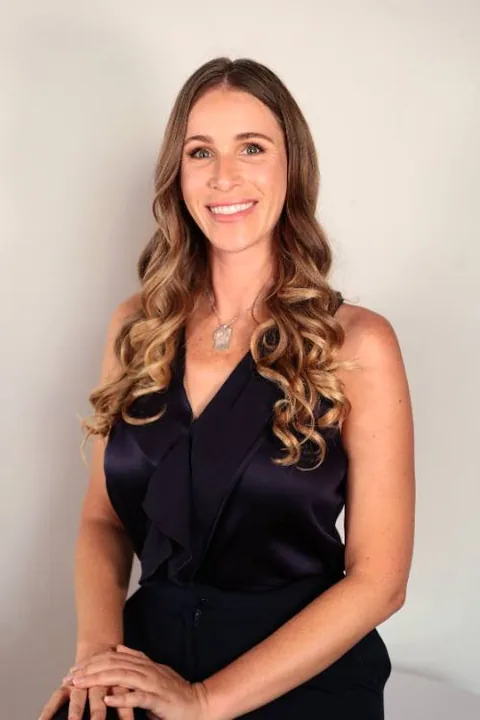
Brooke Sprowl
Brooke Sprowl
LCSW · Founder & CEO
Couples TherapyBDSM and KinkLGBTQ+Dating Therapy
Heather Totten
Heather Totten
LMFT
Couples TherapyRelationshipsLGBTQ+Premarital Therapy
Sydney Shaevel
Sydney Shaevel
LMFT
Couples TherapyRelationshipsDating TherapyAttachment Theory
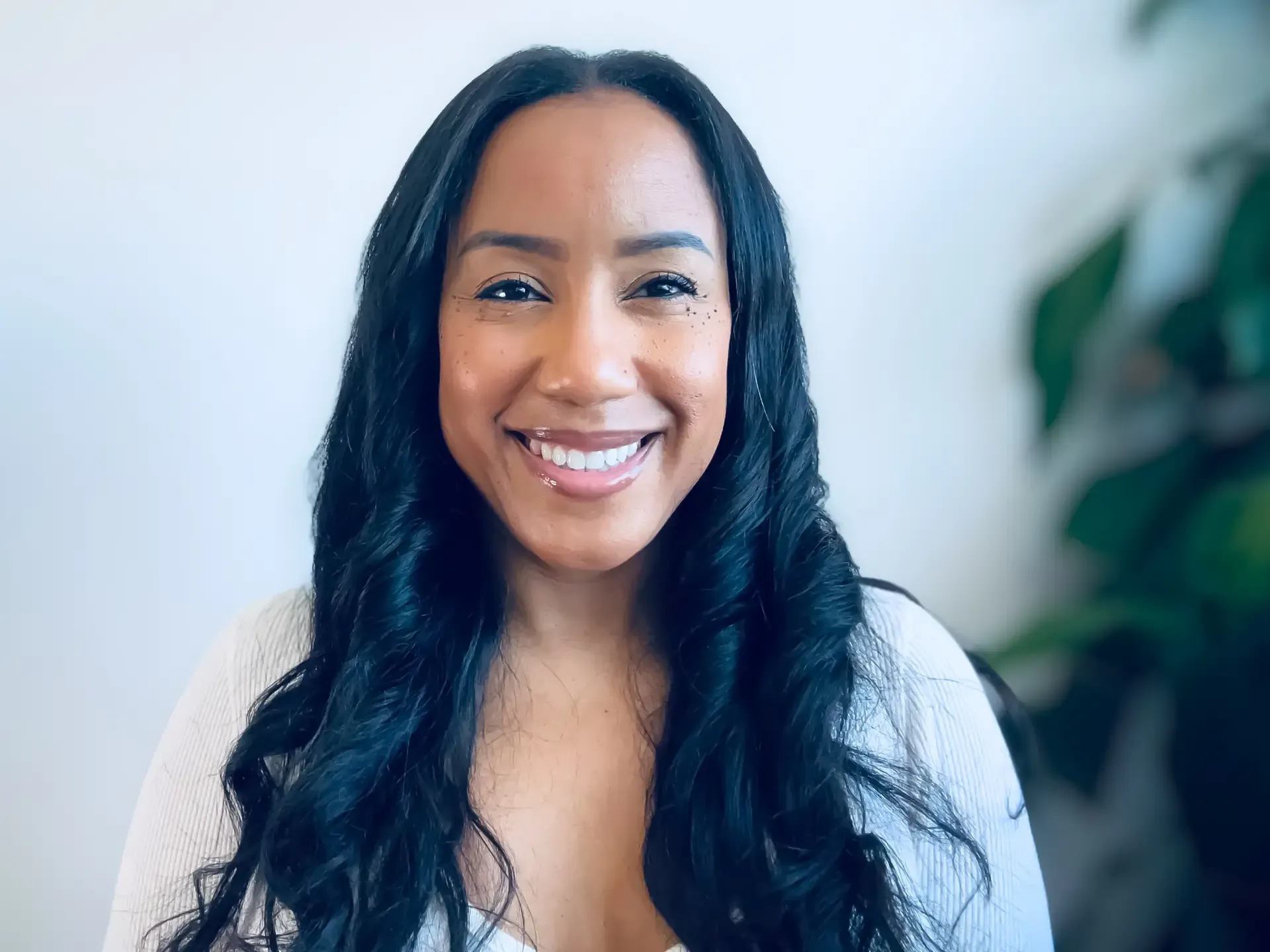
Myesha Reynolds
Myesha Reynolds
AMFT
Couples TherapyBDSM and KinkLGBTQIA+Relationships
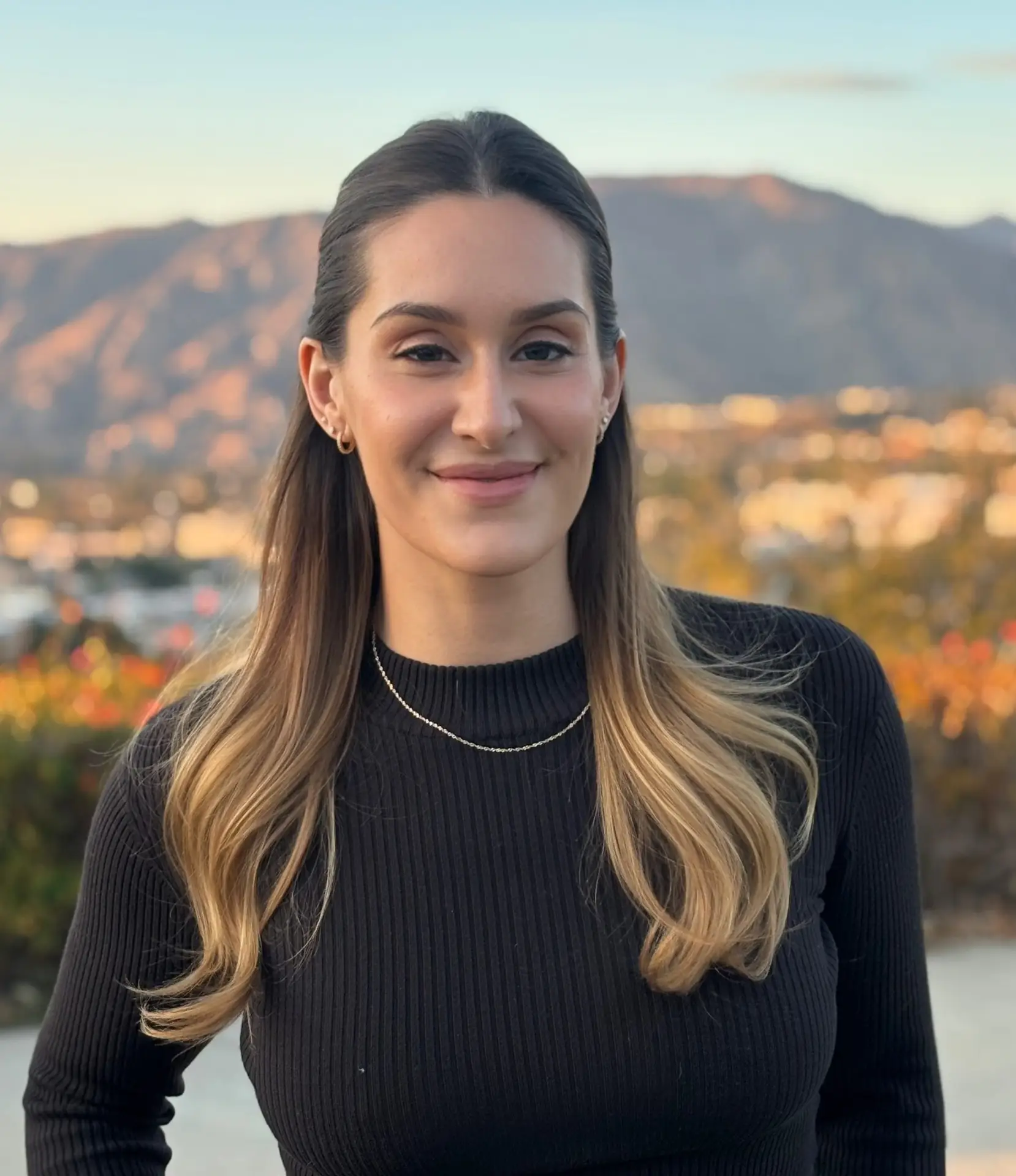
Emilee Johnsen
Emilee Johnsen
LCSW
RelationshipsDating TherapyLGBTQ+Attachment Theory
Michelle Stroffolino, ACSW — relationship therapist at My LA Therapy in Los Angeles
Michelle Stroffolino
ACSW
Dating TherapyLGBTQ+Self-EsteemLife Transitions
The standard we hold
Twenty years of clinical experience behind every match.
★ 4.9average rating
100%match guarantee
Hand-matched, on us

Stop searching. We'll do it for you.

Tell us what's going on and we'll hand-select the right therapist for you.

1
You share what's going on
A few details — that's this form.
2
We hand-match you
Our therapist matching specialist personally matches you, usually the same day.
3
You meet, and decide
Love your therapist or get a full refund on your first session.
★★★★★
"I was in therapy on and off for 20 years. Brooke did more in one session than years of work with my previous therapists."

Let's find you the right therapist.

✓Every therapist vetted by Brooke Sprowl, LCSW · 20 years in practice
How can we help? *
Choose any that apply.
Which locations are most convenient for you?
More locations = more options
Free & confidential · Love your therapist — or your money back
★★★★★
"I was in therapy on and off for 20 years. Brooke did more in one session than years of work with my previous therapists."
Client reviews

What our clients
say about the work.

★★★★★Verified client reviews
★★★★★
You did more in 45 minutes than my last therapist did in a year!
★★★★★
From the beginning of our session, Brooke knew exactly what tools and questions would work for my particular psychology. No other therapist has been able to do that.
★★★★★
I felt very seen, understood, and supported. Brooke went right to the source of the issue while staying so gentle and kind.
★★★★★
Brooke has the true gift of insight and compassion, getting straight to the heart of your blind spots in a way that’s truly changed my life.
★★★★★
Therapy helped me untangle so much confusion and bring peace to where I once felt fear. I feel free and alive for the first time in a long time.
★★★★★
My vivid imagination wants to create terrifying monsters under the bed. In a lot of cases those monsters are nothing more than a heap of laundry that just needs to be aired out.
Status quo vs. My LA Therapy

There’s a better way to
find your therapist.

Status quo
The My LA Therapy way
✕You cycle through dozens of therapists, unsure if they really fit your needs.
✓We personally match you with a therapist who fits your unique needs, personality, and preferences.
✕Therapists offer a listening ear but little feedback.
✓We offer practical feedback and actionable advice, challenging you to think and exist differently.
✕The therapy focuses on intellectual insight, leaving deeper problems untouched.
✓We intervene on a somatic and nervous system level, interrupting unconscious patterns in real-time.
✕Symptoms get managed on a superficial level so the same patterns keep repeating.
✓We treat the root cause and provide tangible, research-based tools that create lasting change.
✕You pay for your session whether it's the right fit or not.
✓We guarantee you’ll love your therapist or you get a full refund on your first session.
Our founder’s signature approach

Nervous System-Based Therapy.

The original framework our founder developed over twenty years in practice, and the backbone of how we work with polyamorous and ENM clients: working with what your nervous system does when jealousy, comparison, or fear of abandonment rises, not just the story you tell yourself about it.

✓Developed by our founder Brooke Sprowl, LCSW
01

Physiological calibration

Real-time nervous system regulation and autonomic tracking let us catch jealousy, comparison, or overwhelm as it rises in the room, and help your system settle in real time.

02

Defense system mapping

Suppressing needs to avoid conflict, or using freedom to avoid closeness, are often defenses that once kept us safe. We identify and compassionately interrupt these defense mechanisms so you can stay connected.

03

Multi-modal processing

Attachment patterns live in thoughts, in the body, and in every relationship you are part of. We work somatically, experientially, cognitively, and with parts, understanding that each pathway requires different interventions.

See how it works →
Our therapy methods

Evidence-based, trauma-informed, and affirming.

We use evidence-based, trauma-informed, and affirming techniques to support individuals and partners in polyamory and non-monogamy, including self-compassion and identity affirmation, supporting you in embracing your authentic relationship style without shame, and practical tools for boundary-setting and time management: tailored strategies to create balance across relationships and personal life.

Therapy can help you move from feeling isolated or misunderstood to empowered and connected—where your relationship choices are not a source of shame but a celebration of authenticity, trust, and love.

All approaches →
AFFIRMING HELP STARTS HERE

Start with a free call.

Our therapist matching specialist knows every therapist on our roster personally and who is the best fit for your unique needs and personality.

✓30 minutes, free. No charge, no commitment.
✓We listen, then hand-select your therapist from our small, boutique roster.
✓We guarantee you’ll love your therapist or you get a full refund on your session.
Book a free call →
Illustration of a therapist and client in conversation
LA POLYAMORY & ENM THERAPY, YOUR WAY

Polyamory-affirming therapy across Los Angeles.

Our warm and experienced LA polyamory and ENM affirming therapists meet you where it works best — in person at 7 offices across the city, online anywhere in California, or in your home — or a mix of all three.

*Available within a certain radius — get matched to find out more.

7 LA offices
A NOTE FROM OUR FOUNDER

Your struggle is real.
So is your capacity to heal.

I spent more than 10 years seeking help for my own mental health with over a dozen different therapists. I know this territory so deeply because I've lived it personally. I know how lonely it can feel when the people around you don’t understand the way you love, and how easy it is to start wondering whether something is wrong with you.

Your relationships are not a disorder or a problem. The judgment that comes with a nontraditional path tends to fall on brilliant, capable, deeply feeling people. In twenty years of practice, my clients are some of the most extraordinary people I've ever met.

Things shift as you learn to work with the nervous system rather than against it, noticing the moment your body braces, shuts down, or reaches, and what it is asking for. In this way, you restore your capacity to trust yourself, repattern the way you attach, and reconnect with a sense of closeness and aliveness.

Stay curious, stay compassionate, and know that your journey is uniquely yours. And in that uniqueness lies your power.

Brooke Sprowl, LCSW
Brooke Sprowl, LCSW, founder and clinical director of My LA Therapy
Brooke Sprowl, LCSW
Founder & Clinical Director
20 yearsin practice
My LA Therapy logo
Nonviolent Communication

Empowered Communication Guide

Mastering empowered communication with NVC.
Brooke Sprowl, LCSW
Free resource for relationships & communication

Say what you need, without the blame.

A free guide to the four steps of Nonviolent Communication: observation, feelings, needs, and requests. Use it with a partner, a date, a parent, or anyone you want to feel closer to.

Inside the guide · 15 pages
My LA Therapy logo
Nonviolent Communication

Empowered Communication Guide

Mastering empowered communication with NVC.
Brooke Sprowl, LCSW
Cover
My LA Therapy
Empowered Communication Guide
Introduction

Mastering empowered communication with NVC

Most of us have been taught to communicate passively, critically, or manipulatively — and that’s so normal to us that we don’t even realize we’re doing it. That is, until we find ourselves feeling powerless to get our needs met, repeating the same conflicts with those we love, and feeling alone or trapped in our relationships.

The NVC framework provides a systematic approach, not only to healing our communication with others, but also to healing our relationship with ourselves by teaching us to be present to our own needs, feelings, and requests without blaming others or internalizing shame.

This is a lot harder and a lot deeper than it sounds. Deep down, poor communication often stems from anxiety. Half the time, we’re not even aware of our anxiety because we’re so used to it. And anxiety prevents us from being aware enough of our own needs, feelings, and requests to communicate them clearly, directly, and without blame or shame.

Half the time, we have no idea that what we are attempting to communicate is not at all what we are actually saying.

So we feel like we’ve expressed our needs a hundred and one times, but in actuality we’ve done so in ways that were passive, unclear, or blame-based. And that usually means we don’t get our needs met and this can breed resentment, feelings of victimhood, and shame. What’s even worse is this usually leads to a self-reinforcing snowball of critical, passive-aggressive, or unclear communication between ourselves and others.

Introduction
My LA Therapy
Empowered Communication Guide
Introduction · continued

When left unaddressed, this feedback loop can affect every area of our lives from work, to relationships, to our general sense of self-efficacy and self-worth. Because when we don’t know how to get our needs met, we sometimes start to think our needs don’t matter, and then we draw the mistaken and painful conclusion that we don’t matter.

But that’s where NVC comes on the scene to break this vicious cycle and create a new positive feedback loop of clarity, empathy, and mutual responsibility. Not only does this improve our communication skills, but it improves our self-awareness, emotional IQ, and relational connections. Then this becomes the new self-reinforcing cycle in a new direction.

NVC teaches us to take full ownership of our needs, values, and feelings and to make clear, actionable requests. Using NVC we learn to remove criticism, judgment, and blame from our communication entirely. This is a minor miracle in a culture where criticism and control seem to undergird a majority of our communication.

What’s even more incredible is that as we remove shame and blame from others, we begin to heal our own self-judgment at the same time. This is deeper work that cuts to the heart of so much of the unconscious problems that call the shots behind the scenes in our lives.

I highly recommend Marshall Rosenberg’s groundbreaking book, “Nonviolent Communication.” Buy it by clicking here.

For the TL;DR, or those who want a succinct “cheat sheet” to help reinforce and practice the principles, here you go!

Use this as a reference any time you need help identifying your needs and feelings or any time you’re noticing you’re feeling disempowered, shameful, or resentful in relationship to others.

Nonviolent Communication has been absolutely life-changing for me because it goes beyond the surface and gets to the root causes of communication issues, healing ourselves and our relationships in one fell swoop.

Enjoy the power and transformation available to you by engaging deeply with this approach and practicing the principles.


Brooke SprowlBrooke Sprowl
Introduction, continued
My LA Therapy
Empowered Communication Guide
The framework

The four principles of NVC

Nonviolent Communication moves through four components. They can be expressed in any order — what matters is that each one is present, clear, and owned.

01
Observations
Neutral, sensory descriptions of what actually happened — free of judgment.
02
Feelings
The emotions and physical sensations that alert us to the state of our needs.
03
Needs
The universal life energy — the resources we require to sustain and enrich life.
04
Requests
Specific, actionable invitations to contribute to the well-being of yourself and others.
The four principles
My LA Therapy
Empowered Communication Guide
Principle 01 · Observations

Observations

Observations are descriptions of facts as reported by our physical senses or our inner senses. Examples of facts that come from our physical senses (5 senses) are an exact quote you heard someone say or a neutral description of a specific event you witnessed. Inner senses also include our inner voice, vision, and thoughts.

Neutral observations are characterized by:
Direct, sensory experience
Specific to time and context
Free of judgement, criticism, blame, shame, or analysis
We communicate our experience in neutral, fact based language, focusing on physical sensations and direct experience
The key distinction

Observations are neutral statements of what you actually and objectively see or hear — objective facts without subjective filters. Evaluations are the opposite: moral or value judgements of good and bad, right and wrong, appropriate and inappropriate, that are subjective to each person and often elicit shame and blame when we frame the world in this way.

Observation
Neutral statements of what you actually and objectively see or hear; objective facts without subjective filters.
Example
“I saw you come into work after 9am three times this week.”
Evaluation
Communication that demonstrates implicit or explicit shame, judgments, labels, blame, analysis, and interpretations.
Example
“You come in late a lot and that’s very unprofessional.”
vs

In the evaluation above, “a lot” is not specific and “unprofessional” is an evaluation, rather than a neutral observation.

Observations
My LA Therapy
Empowered Communication Guide
Principle 02 · Feelings

Feelings

Feelings are composed of emotions and physical sensations. Physical sensations and emotions are how our bodies alert us to the state of our needs.

Feelings include:
Core emotions such as anger, sadness, happiness, and fear, which are universal across all cultures and people.
Physical sensations such as heart fluttering, tight jaw, pit in the stomach.
The key distinction

Feelings express pure emotions and bodily sensations, fully owning your own experience — rather than what you think or perceive someone is doing to you. “Blame verbs” are thoughts disguised as feelings that often contain implicit blame. If you can add “by you” to the end of a word (e.g. “I feel insulted by you”), it’s usually a sign that you’re using a blame verb.

A true feeling
Pure emotion or bodily sensation that fully owns your own inner experience.
Example
“I feel sad.” · “I feel tight in my chest.”
A blame verb / thought
A thought, blame, or judgment disguised as a feeling — insulted, attacked, unappreciated, disrespected, ignored, misunderstood.
Example
“I feel insulted.” · “I feel like you are being unfair.”
vs

We often start statements with “I feel” but they end with thoughts, blame, and judgments rather than actual feelings and sensations. Mistaking thoughts for feelings prevents us from being present and connected with our inner experience and alienates us from ourselves and others.

Feelings
My LA Therapy
Empowered Communication Guide
Principle 03 · Needs

Needs

Needs and values are the resources we require to sustain and enrich life. Needs and values are considered to be our universal life energy, that which motivates and sustains us. They are intangible, without reference to specific people, actions, or things.

Needs are:
Needs are universal.
Needs transcend culture and conditioning.
Needs make no reference to how another person is behaving or should behave.
Values are usually equivalent to needs.
The key distinction
Needs and values are distinct from strategies, blame, and “should thinking.”

Strategies are specific means we use to attempt to get our needs met. Strategies are usually indirect attempts at control and often backfire in one way or another.

“Should thinking.” When we use the word “should” that’s also a sign that we’re assigning a judgment to something rather than expressing our needs.

Blame is when we ascribe responsibility to someone else for our feelings, actions, and triggers. NVC teaches us to take full responsibility for our own experience and behavior without blaming others and seeing them as causing how we feel.

Needs
My LA Therapy
Empowered Communication Guide
Principle 04 · Requests

Requests

Requests are invitations to contribute to the well-being of yourself and others with specific, actionable questions. Requests are concrete questions posed with the intention of fulfilling a need; specific actions stated in the positive (what we do want, rather than what we don’t want); and immediately doable.

Three types of requests:
1
Clarity
2
Feedback
3
Action
The key distinction
When making a request, it is important to be willing to hear a “no.” Ask yourself beforehand if you are attached to a particular outcome or action — because if you are, your request will likely be a demand or expectation in disguise, and may be a veiled way to control or manipulate another person indirectly. If your health or physical safety is at risk, that is the exception.

Request — made in the present, and doable, concrete, specific, and affirmative actions — a “do want,” rather than a “don’t want.” The asker is willing to hear “no.” e.g. “Would you fill up the gas tank by tonight?”

Demand — uses fear, guilt, shame, manipulation, or reward. Demands include a threat of punishment or the promise of reward linked to a behavior. e.g. “If you don’t do this, you’ll regret it.”

Wishes, by contrast, tend to be vague, future-oriented, and non-specific.

Requests
My LA Therapy
Empowered Communication Guide
Principles in action

The four principles in action

OFNR can be used in any sequence — each example shows a different order of the O, F, N, and R components.

Example 1
Observation“I hear you say you won’t have the report complete until next week…
Feeling…and I’m feeling some frustration and concern.
Needs / valuesIt’s important to me that our team is timely on reports so the production team can be efficient.
RequestWould you please tell me what’s preventing you from completing the report, and what our team might do to get it finished by 4pm tomorrow?”
Example 2
Feeling“I feel irritated…
Observation…when I see you’ve returned my car with an empty gas tank.
RequestWould you fill it up by tonight?
Needs / valuesI want to trust that I can get to work on time tomorrow.”
In action 1–2
My LA Therapy
Empowered Communication Guide
Principles in action · continued
Example 3
Request“Would you be willing to take me to the airport this afternoon?
FeelingI’m feeling somewhat anxious…
Needs / values…and I could use some support and help.
ObservationMy car hasn’t been running well this week and I can’t get it fixed until after my trip.”
Example 4
Needs / values“Because sharing responsibility is important to me in our family…
Request…would you set the table while I get dinner ready?
FeelingI’m happy…
Observation…seeing what you’ve already done this week to help out at home: you fed the dog, washed your clothes, and made your bed each morning. Wow!”
Example 5
Observation“I’m hearing you say you would like to go out dancing tonight;
Feelingand I’m feeling so tired and overwhelmed…
Needs / values…I’d rather take some downtime and rest.
Connecting requestHow do you feel hearing me say this?”
In action 3–5
My LA Therapy
Empowered Communication Guide
Cheat sheet

Needs

Use this list any time you need help identifying the universal need beneath a feeling.

Acceptance
Affection
Appreciation
Authenticity
Autonomy
Awareness
Beauty
Belonging
Celebration
Challenge
Choice
Clarity
Closeness
Communication
Communion
Community
Companionship
Compassion
Competence
Connection
Consciousness
Consideration
Consistency
Contribution
Cooperation
Creativity
Discovery
Ease
Effectiveness
Efficacy
Empathy
Equality
Exercise
Expression
Food
Freedom
Growth
Harmony
Honesty
Hope
Humor
Inclusion
Independence
Inspiration
Integrity
Intimacy
Joy
Love
Meaning
Mutuality
Nurturing
Order
Participation
Peace
Play
Presence
Purpose
Respect
Rest
Safety
Security
Self-expression
Sexual
Shelter
Sleep
Space
Spontaneity
Stability
Stimulation
Support
Time alone
Touch
To know and be known
To see and be seen
To be understood
To understand
Trust
Warmth
Water
Needs cheat sheet
My LA Therapy
Empowered Communication Guide
Cheat sheet · Feelings

When your needs are satisfied

Feelings that tend to arise when our needs are being met.

Absorbed
Affectionate
Alert
Amazed
Amused
Animated
Appreciative
Ardent
Aroused
Astonished
Awed
Blissful
Calm
Centered
Clearheaded
Comfortable
Compassionate
Confident
Content
Curious
Dazzled
Delighted
Eager
Ecstatic
Elated
Empowered
Enchanted
Encouraged
Energetic
Engaged
Engrossed
Enlivened
Enthralled
Enthusiastic
Entranced
Equanimous
Excited
Exhilarated
Expectant
Exuberant
Fascinated
Friendly
Fulfilled
Giddy
Glad
Grateful
Happy
Hopeful
Inspired
Interested
Intrigued
Invigorated
Involved
Joyful
Jubilant
Lively
Loving
Mellow
Moved
Open
Openhearted
Optimistic
Passionate
Peaceful
Pleased
Proud
Quiet
Radiant
Rapturous
Refreshed
Rejuvenated
Relaxed
Relieved
Renewed
Rested
Restored
Revived
Safe
Satisfied
Secure
Serene
Spellbound
Still
Stimulated
Surprised
Sympathetic
Tender
Thankful
Thrilled
Tickled
Touched
Tranquil
Trusting
Vibrant
Warm
Wonder
Feelings: satisfied
My LA Therapy
Empowered Communication Guide
Cheat sheet · Feelings

When your needs are not satisfied

Feelings that tend to arise when our needs are going unmet.

Afraid
Aggravated
Agitated
Agony
Alarmed
Alienated
Aloof
Ambivalent
Angry
Anguished
Animosity
Annoyed
Anxious
Apathetic
Appalled
Apprehensive
Ashamed
Aversion
Baffled
Beat
Bereaved
Bewildered
Bored
Burnt out
Chagrined
Cold
Confused
Contempt
Cranky
Dazed
Dejected
Depleted
Depressed
Despair
Despondent
Detached
Devastated
Disappointed
Discombobulated
Disconcerted
Disconnected
Discouraged
Disgruntled
Disgusted
Disheartened
Dislike
Dismayed
Displeased
Disquiet
Distant
Distracted
Distraught
Distressed
Disturbed
Dread
Edgy
Embarrassed
Enraged
Envious
Exasperated
Exhausted
Fatigue
Fidgety
Flustered
Foreboding
Forlorn
Fragile
Frazzled
Frightened
Frustrated
Furious
Gloomy
Grief
Guarded
Guilty
Hate
Heartbroken
Heavyhearted
Helpless
Hesitant
Hopeless
Horrified
Hostile
Hurt
Impatient
Incensed
Indifferent
Indignant
Insecure
Irate
Irked
Irritable
Irritated
Jealous
Jittery
Leery
Lethargic
Listless
Livid
Lonely
Longing
Lost
Melancholy
Miserable
Mistrustful
Mortified
Mystified
Nervous
Nostalgic
Numb
Outraged
Overwhelmed
Pain
Panicked
Perplexed
Perturbed
Petrified
Pining
Puzzled
Rattled
Regretful
Remorseful
Removed
Repulsed
Resentful
Reserved
Restless
Sad
Scared
Self-conscious
Sensitive
Shaky
Shocked
Sleepy
Startled
Stressed out
Surprised
Suspicious
Tense
Terrified
Tired
Torn
Troubled
Turbulent
Turmoil
Uncomfortable
Uneasy
Unhappy
Uninterested
Unnerved
Unsettled
Upset
Vulnerable
Wary
Weary
Wistful
Withdrawn
Worn out
Worried
Wretched
Yearning
Feelings: not satisfied
My LA Therapy
Next steps

Next steps.

Our Empowered Communication Guide is just one of many research-proven tools we use to help you overcome your inner roadblocks, find greater peace, and support your self-transformation.

To dive deeper and take your transformation to the next level, book a free call with one of our warm, experienced therapists.

To book a free call, click the button above or learn more at: mylatherapy.com

We are here to answer any questions and to empower you to discover new ways of being to create a more purposeful, peaceful, and soulful life.

Brooke Sprowl13 of 13
Next steps
My LA Therapy
Your next step

Let's find your perfect therapist.

Book a free, no-pressure call and we'll personally match you with the right therapist for you — guaranteed.

Book my free call →
★4.9 average · 6,500+ Angelenos matched · first-session guarantee
✓Every therapist chosen & trained by Brooke Sprowl, LCSW
Your next step

You deserve relationships that feel
expansive and secure.

Whether you’re exploring polyamory for the first time or seeking healing in an existing dynamic, you don’t have to do it alone. Therapy provides a space to reflect, reconnect, and grow.

Find my affirming therapist →
FAQS ABOUT POLYAMORY & ENM THERAPY

Before you reach out.

Still deciding? The free 30-minute consult matching call exists for exactly this — no charge, no commitment.

Is polyamory a disorder or a problem?
No. Being in a polyamorous, ENM, or consensually non-monogamous relationship is not a disorder or a problem. It’s a valid and authentic relationship style built on communication, trust, and intentional choice.
Is polyamory the same as cheating or swinging?
No. Polyamory is not cheating, swinging, or a loophole for commitment avoidance. Everyone involved knows and consents, and at its core polyamory emphasizes honest communication, emotional responsibility, and mutual respect.
I feel jealous. Does that mean polyamory isn’t for me?
Not necessarily. Jealousy isn’t inherently bad. It’s a signal of unmet needs, often pointing to fears of unworthiness, abandonment, or lack of connection. You don’t need to “overcome” jealousy. You need to understand it.
Do you work with individuals, couples, and triads?
Yes. Poly relationships benefit from external guidance just like monogamous ones. Whether you come alone or with your partners, we can help you negotiate boundaries, clarify agreements, and deepen emotional intimacy.
Do you offer polyamory-affirming therapy online?
Yes. You can meet online across California, or in person at any of our LA offices. Many clients mix the two.
How do you decide which therapist I see?
You tell us what's going on, and we hand-select from our small, boutique roster. Every therapist on it is personally vetted and trained by our founder. We weigh your unique needs, personality, and values against each therapist's specialties and style, and we factor in the practical pieces too, like which of our locations are convenient for you and when you're free to meet. It's a human judgment call, not an algorithm.