

Two hands reaching toward each other until the fingertips meet — nonviolent communication therapy in Los Angeles
✓ Nonviolent communication (NVC) · Los Angeles

NVC, for when threat
does the talking.

Communication is the backbone of human relationships, not only our relationships with one another, but even more crucially, our relationships with ourselves. While communication skills are an important part of intimate relationships, strong communication can contribute to wellbeing, empowerment, and connection in every area of our lives.

When we’re able to communicate our basic needs and compassionately understand those of others, we can begin to create more meaningful connections, a more grounded sense of who we are as individuals, and a greater sense of mastery in our lives.

NVC helps: power strugglesrecurring argumentsdefensivenessco-parentingsaying what you need
From the founder of My LA Therapy

Diving deeper into nonviolent communication.

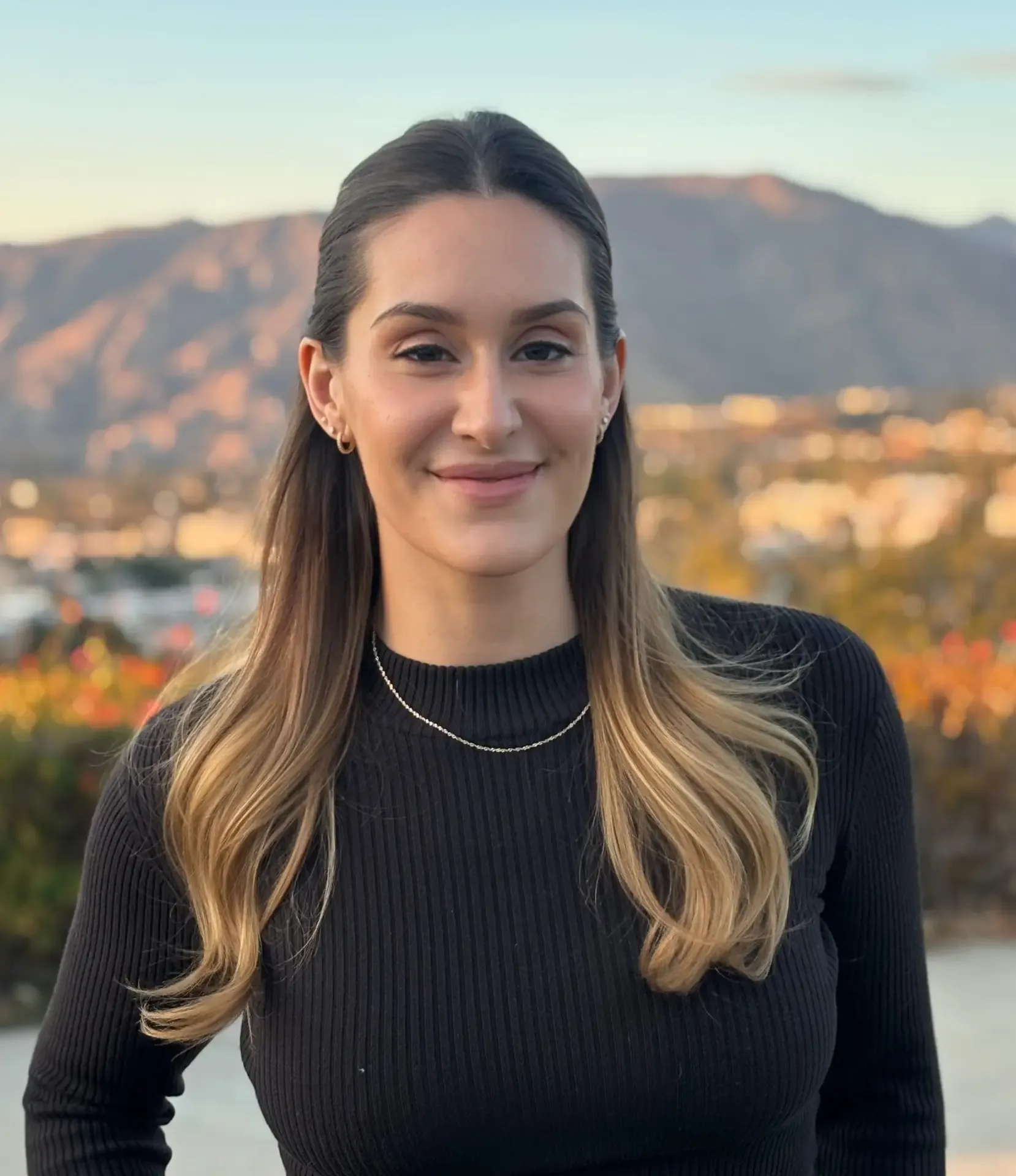
Our founder, Brooke Sprowl, LCSW, has 20 years in clinical practice. Her signature approach, Nervous System-Based Therapy, works at an unconscious level to shift the patterns running the show beneath the surface.

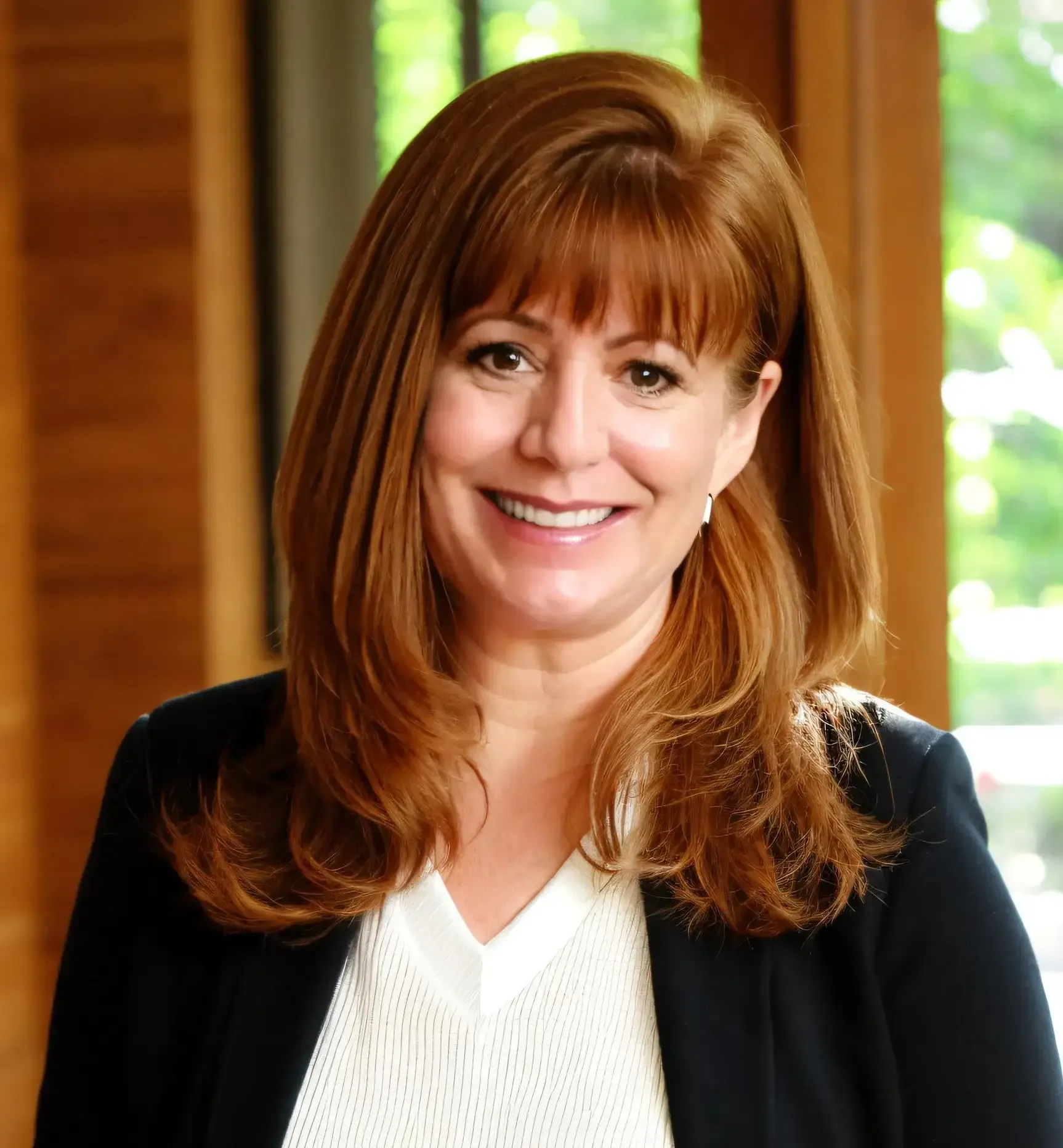
Brooke Sprowl, LCSW, founder of My LA Therapy
Brooke Sprowl, LCSW
Founder & Clinical Director
20 years in practice
More from Brooke
The one mistake sabotaging your relationships
The hidden reason couples stay stuck in the same fight
Brooke Sprowl on couples therapy
Together we will:
  • ✓ Slow down the moment where threat takes over the conversation
  • ✓ Say what you need without blaming, and hear what others need without defending
  • ✓ Turn recurring arguments into requests you can both act on
  • ✓ Build the emotional safety that lets you relate vulnerably and authentically
Why NVC

Compassionate at our core, harmful only under threat.

One benefit of effectively communicating our needs and feelings is that we can become more collaborative and less adversarial in the way we relate to others (and ourselves), decreasing power struggles, destructive conflicts, abuse, and violence.

Psychologist Marshall Rosenberg developed his theory of Nonviolent Communication, or Compassionate Communication, to address these issues and to reform communication as we know it.

He believed that all human beings are compassionate and empathetic at their core and that we only resort to harmful communication and behaviors when we feel threatened that we won’t get our own needs met and/or are unable to understand others’ needs clearly.

By being open about our individual needs and empathizing with others, destructive conflicts, or “violent communication,” can be avoided.

This can create a greater sense of emotional safety within relationships and can improve our ability to relate vulnerably and authentically.

Four components of NVC

Observation, feelings, needs and requests.

The four main components are observation, feelings, needs, and requests.

The component

Observation

It’s important for us to recognize hard facts (what we are able to see, hear, touch, etc.) of a situation in a neutral way rather than offering our personal take, opinions, or interpretation.

So often, when using “violent communication,” we communicate critically rather than just observing what’s happening. By contrast, NVC invites us to “observe” neutrally rather than “evaluate” critically.

The component

It’s important for us to recognize hard facts (what we are able to see, hear, touch, etc.) of a situation in a neutral way rather than offering our personal take, opinions, or interpretation.

So often, when using “violent communication,” we communicate critically rather than just observing what’s happening. By contrast, NVC invites us to “observe” neutrally rather than “evaluate” critically.

How to start practicing NVC

Three modes to bring NVC into everyday life.

In order to implement NVC in our lives, we need to make changes on three key levels: within the self, between others, and within groups or societal structures.

How do we get started? There are three distinct modes on how to apply Nonviolent Communication to your everyday life.

Mode one

Self-empathy

We are encouraged to connect with how we are feeling internally without judgment, even our painful feelings such as sadness, insecurity, or anger. It’s also important to recognize our needs and whether or not they are being met.

Mode two

Receiving empathically

This means connecting on a deep level with another person and recognizing what they need and feel. Even if we don’t share the same feelings as another person, being able to understand where they’re coming from is empathy in its truest form.

Mode three

Expressing honestly

When we express a need, NVC suggests we express a feeling along with it. This approach helps us take responsibility for our own emotional experience and makes it less likely that others will feel blamed.

Implementing NVC into our everyday lives will take practice and time, just like any other skill.

Where we use NVC

Not just for personal relationships.

NVC isn’t just used in personal relationships. In fact, it can be a powerful way to approach communication in business settings, mediation, parenting, legal matters, education, and healthcare, just to name a few. At My LA Therapy, we use it with couples, families, co-parents and business partners alike.

Couples

Communication skills are an important part of intimate relationships. NVC helps partners trade power struggles for requests both people can meet.

  • – Observe what happened instead of criticizing
  • – Name the need underneath the complaint
  • – Ask in a way your partner can say yes, or no, to
Families and parenting

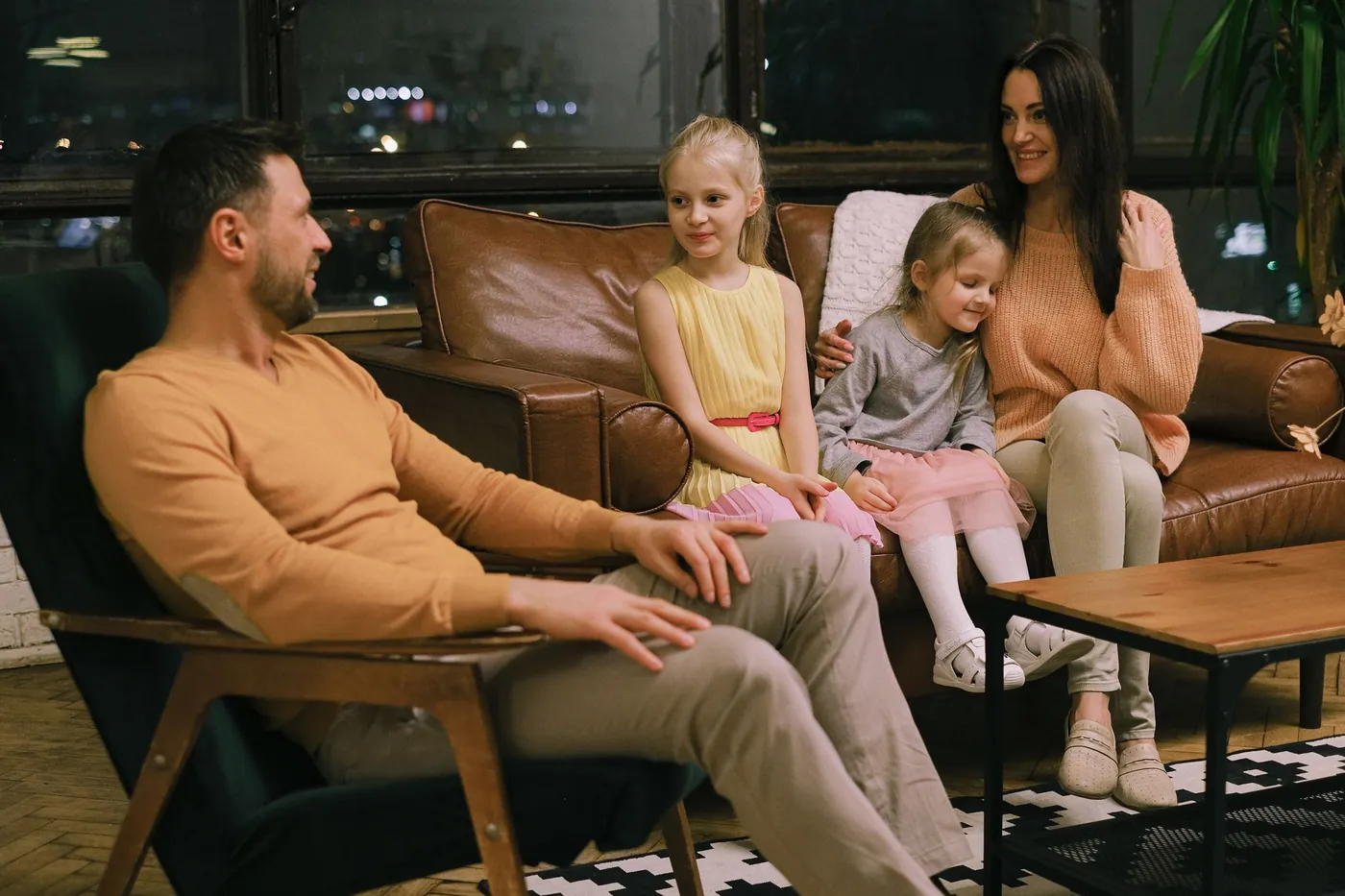
NVC gives parents, children and co-parents a shared language for feelings and needs, so conflict at home becomes less adversarial.

  • ✓ Help children separate feelings from thoughts
  • ✓ Make requests instead of demands at home
  • ✓ Co-parent with less blame on both sides

Business partners

In business settings and mediation, NVC keeps disagreements about the work from turning into destructive conflict between the people doing it.

  • Separate the facts from the interpretation
  • Say what each partner needs from the business
  • Turn standoffs into specific, actionable requests

Your relationship with yourself

Even more crucially, communication shapes our relationship with ourselves. Self-empathy is where the practice begins.

  • + Connect with painful feelings without judgment
  • + Recognize which of your needs are being met
  • + Speak to yourself with the compassion you offer others
NVC and spirituality

More than a communication process.

Nonviolent Communication not only changes the words we use but it can shift our entire way of being, which is why it’s often considered a spiritual approach as well.

This is what founder Marshall Rosenberg had to say about the relationship between NVC and spirituality.

Marshall Rosenberg

A way of life.

“[NVC] is really a spiritual practice that I am trying to show as a way of life… Even if they practice this as a mechanical technique, they start to experience things between themselves and other people they weren’t able to experience before… They begin to see that it’s more than a communication process.”

Our therapy methods

Research-based methods, combined for you.

Nonviolent Communication is rarely used alone. Our therapists draw from experiential, cognitive-behavioral, mindfulness and psychodynamic therapies — evidence-based interventions demonstrated by research to be effective.

Why our nonviolent communication therapists

Evidence-based, never by the book.

Plenty of therapists list nonviolent communication. The difference is judgment — knowing when it is the right move and when the work belongs somewhere deeper. Every therapist on our roster is personally vetted and trained by our founder, Brooke Sprowl, LCSW, with 20 years in clinical practice — so your care is tailored to you rather than run off a protocol. Our team is highly trained and clinically skilled — and, more importantly, open, warm, and authentic. We’re humans too; we’ve been through our own struggles, and that is what equips us to help you navigate yours.

✓Personally vetted by Brooke Sprowl, LCSW
Status quo vs. My LA Therapy

A way of being, not a script.

Status quo
The My LA Therapy way
Status quo
✕Communication tips rehearsed as scripts in session, then forgotten mid-argument.
The My LA Therapy way
✓Therapists trained in Rosenberg’s model who work it into real conversations, not role-play exercises.
Status quo
✕Communication work reserved for couples, leaving family, co-parenting and work conflict out.
The My LA Therapy way
✓Used with couples, families, co-parents and business partners alike.
Status quo
✕Advice on what to say to others, with little attention to how you speak to yourself.
The My LA Therapy way
✓Skills that change how you relate to yourself, not only how you speak to others.
Status quo
✕Rushed, clinical sessions that treat you as a diagnosis rather than a person.
The My LA Therapy way
✓Warm, experienced therapists committed to compassionate, client-centered care.
The standard we hold
Twenty years of clinical experience
behind every match.
★ 4.9average rating
100%match guarantee
Hand-matched, on us

Stop searching. We'll do it for you.

Tell us what's going on and we'll hand-select the right therapist for you.

1
You share what's going on
A few details — that's this form.
2
We hand-match you
Our therapist matching specialist personally matches you, usually the same day.
3
You meet, and decide
Love your therapist or get a full refund on your first session.
★★★★★
"I was in therapy on and off for 20 years. Brooke did more in one session than years of work with my previous therapists."

Let's find you the right therapist.

✓Every therapist vetted by Brooke Sprowl, LCSW · 20 years in practice
How can we help? *
Choose any that apply.
Which locations are most convenient for you?
More locations = more options
Free & confidential · Love your therapist — or your money back
★★★★★
"I was in therapy on and off for 20 years. Brooke did more in one session than years of work with my previous therapists."
Your team

Therapists trained in nonviolent communication.

Meet the whole team →
Where we work

Eastside, Westside, and everywhere in between.

Seven offices across Los Angeles, plus secure online therapy anywhere in California.

West LABeverly HillsEncinoStudio CityEcho ParkPasadenaSanta Monica All locations
7 LA offices
Client reviews

When the same argument finally stopped.

★★★★★4.9 average · verified client reviews
★★★★★
Brooke has the true gift of insight and compassion — getting straight to the heart of your blind spots in a way that’s truly changed my life.
★★★★★
I felt very seen, understood, and supported — Brooke went right to the source of the issue while staying so gentle and kind.
★★★★★
I’d been in therapy on and off for 20 years. Brooke did more in one session than years of work with my previous therapist.

The conflict isn’t the problem. How it gets spoken is.

One conversation is all it takes to know whether we’re the right fit.

Find my therapist →
Common questions

Before you reach out.

Still deciding? The free 30-minute consult exists for exactly this — no charge, no commitment.

▸ What are the four components of NVC?

Observation, feelings, needs and requests. You observe neutrally rather than evaluate critically, separate raw feeling from thought, name the underlying human need, and make a request that is specific, positively stated and genuinely refusable.

▸ Is NVC only for couples?

No. It is used in intimate relationships, but also in parenting, business settings, mediation, legal matters, education and healthcare — and as a practice for how you speak to yourself. We use it in couples therapy, family therapy and therapy for business partners.

▸ What makes a request different from a demand?

Three things, according to Rosenberg: it is stated as clear positive action rather than asking someone to stop something, it is specific and actionable in the present moment, and the other person can say no without fear of being punished for it.

▸ How long does it take to learn?

Like any skill, it takes practice and time. Most people find the shift from evaluating to observing is the hardest part, and the one that changes the most once it lands.

▸ Can we do this online?

Yes. We offer secure video sessions anywhere in California. Most of nonviolent communication translates directly to video; where a part of it genuinely works better in the room, your therapist will tell you rather than pretend otherwise.

▸ How do I get matched with the right therapist?

Tell us what is going on using the form on this page. Our matching specialist hand-selects a therapist trained in nonviolent communication, usually the same day. The first consult is free, and if the fit is wrong we will move you.