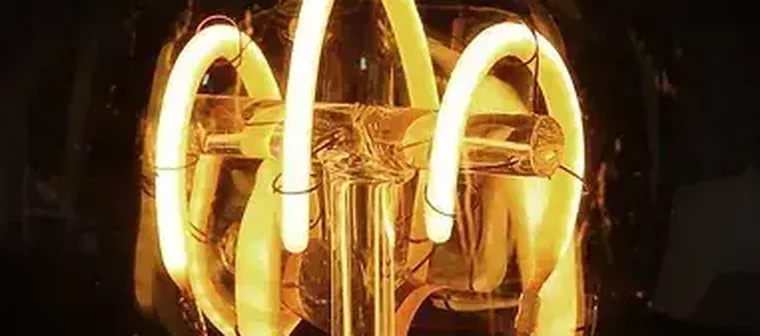
Two hands reaching for one another with the low sun between them — attachment-focused therapy in Los Angeles
✓ Attachment theory · Los Angeles

Attachment-focused therapy.
Your style is not a life sentence.

Ever wonder why you have such a hard time finding successful relationships, or why you tend to run the other way when someone gets too close to you? Or maybe you keep attracting the wrong kind of person who is afraid of commitment and lacks emotional stability?

We all have our relationship patterns that we wish we could change.

Attachment work helps: fear of abandonmentpush-pull dynamicstrust issuesemotional distance
The premise
“All of us, from cradle to grave, are happiest when life is organized as a series of excursions from the secure base provided by our attachment figures.”
— John Bowlby
From the founder of My LA Therapy

Diving deeper into attachment-focused therapy.

Our founder, Brooke Sprowl, LCSW, has 20 years in clinical practice. Her signature approach, Nervous System-Based Therapy, works at an unconscious level to shift the patterns running the show beneath the surface.

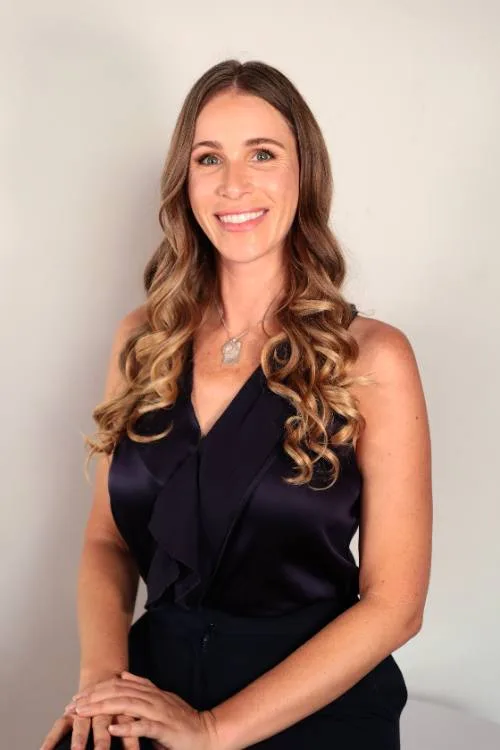
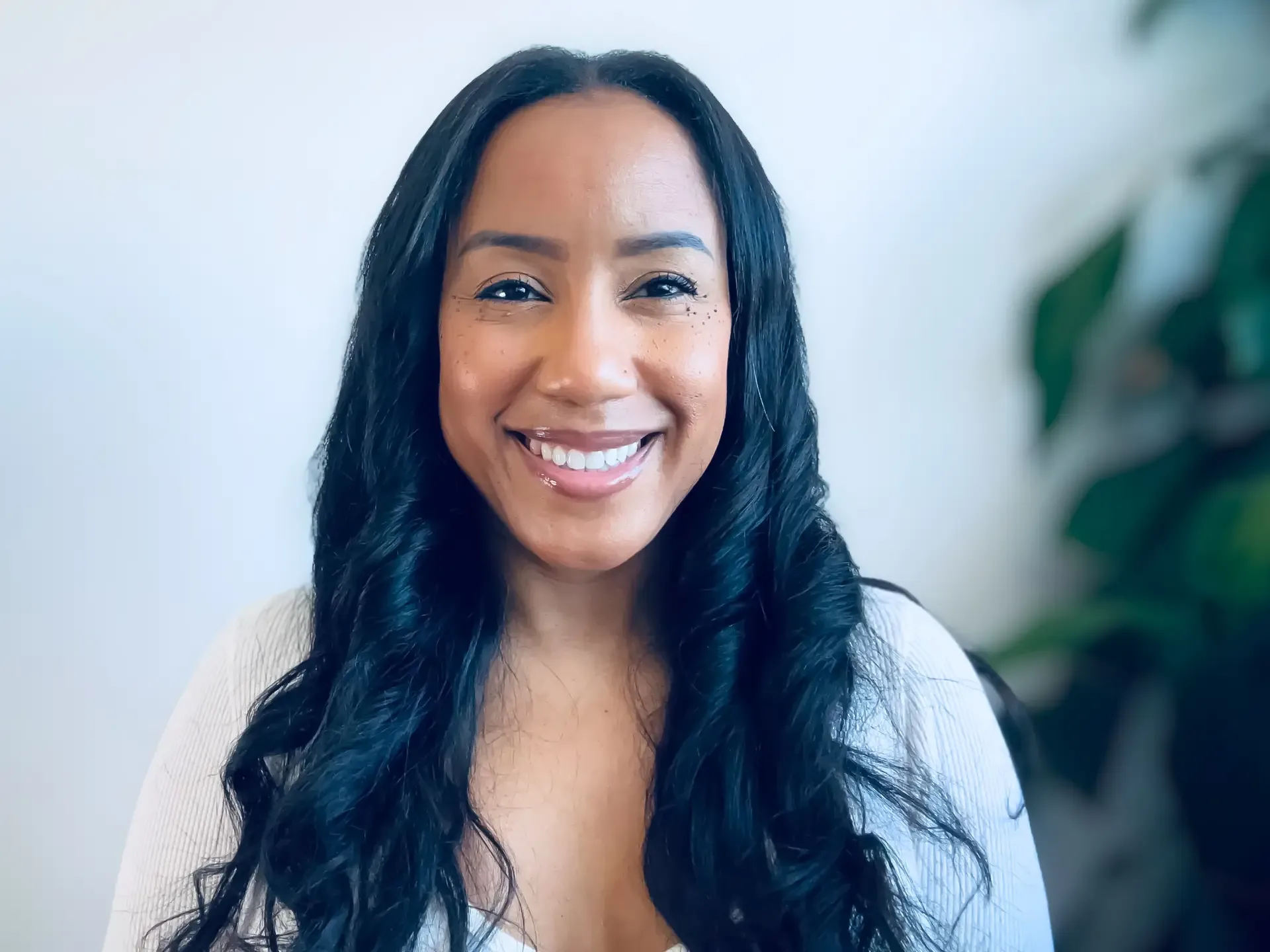
Brooke Sprowl, LCSW, founder of My LA Therapy
Brooke Sprowl, LCSW
Founder & Clinical Director
20 years in practice
More from Brooke
Overcoming codependency & unhealthy relationships
The subtle mistake that can push your partner away
The hidden reason couples stay stuck in the same fight
Not a lifelong sentence.

Luckily, we are here to tell you that your attachment style is not a lifelong sentence.

Our trained therapists are here to help you break free of the past so you can establish healthy relationships in your future.

Attachment theory

There’s a theory for the pattern you can’t shake.

Although you may chalk it up to having bad luck or just feel like all the “good ones are taken,” there’s an actual theory that can explain your relationship patterns and why you keep finding yourself stuck in the same relational patterns you can’t seem to shake. It’s called “Attachment Theory.”

Attachment theory is the concept that our attachment style with our primary caregivers directly affects our relationships throughout our entire lives.

That means that our parents’ behaviors, anxieties, and relationship issues start to affect us before we even begin to speak. Yikes.

Through these early interactions, we develop “working models” for how relationships are and how to act within them.

These working models shape the way we see relationships, creating certain assumptions and blindspots that can begin to cause problems if left unchecked.

The four major adult attachment styles

Avoidant, anxious, fearful-avoidant, secure.

Let’s take a look at the four adult attachment styles:

Avoidant attachment

People with avoidant attachment are highly independent and feel uncomfortable getting close to anyone.

  • – They don’t feel like they need to rely on their significant other, and believe their partner shouldn’t rely on them.
  • – That’s why an avoidant person may seem emotionally unavailable.

Anxious attachment

Those with anxious attachment crave constant intimacy, and can often push people away by demanding too much.

  • ✓ They tend to be insecure in their relationship.
  • ✓ They fear that their partner will leave them.

Fearful-avoidant attachment

A combination of the two attachment styles, fearful-avoidant people long for intimacy but also fear getting too close to people.

  • They thus feel conflicted about intimacy.
  • They may experience a great deal of push-pull in their relationships.

Secure attachment

Secure attachment is the gold standard of attachment. Secure people are comfortable with intimacy and vulnerability.

  • + They trust their partners and tend not to fear rejection or abandonment.
  • + This attachment style signals that their needs were consistently met as a child in a balanced way, while also allowing autonomy.
  • + Secure attachment allows for both space and closeness in equal measure, promoting both intimacy and individuation.
Why your attachment style matters

It shapes who you attract, and it can change.

Those with avoidant, anxious, and fearful attachments will often struggle with relationships. Those with secure attachments are typically more self-confident, independent, successful at work, and enjoy stable, healthy relationships in life.

There’s even a science to what type of person you attract, and how compatible your relationship will be depending on both you and your significant other’s attachment styles.

For example, if you’re fearful-avoidant, you often attract partners that are avoidant. You tend to find people with secure attachment a little boring. Conversely, if you identify with secure attachment, you will most likely gravitate toward someone who is also secure and can meet you on the same level.

But it’s important to remember that it’s not your fault if you struggle with unhealthy attachment styles. Because you’re not responsible for internalizing the dynamics that were modeled for you as a child — that’s a developmental inevitability.

Your insecure attachment style does not define you and can be changed if you’re willing to do the work to shift the way you relate to yourself and others.

At My LA Therapy, we integrate a variety of research-proven techniques to help heal insecure attachment and create a customized approach for your individual needs and situation.

How we help

Attachment-based therapy.

Our attachment-based experiential, somatic, and psychodynamic therapy modalities will help you begin to develop greater emotional awareness surrounding attachment issues so that you can begin to develop more meaningful, stable relationships with others and a greater sense of self-confidence and vitality as an individual.

ExperientialSomaticPsychodynamic

Our therapy methods for unhealthy attachment styles

Secure attachment can be learned.

Therapy can successfully improve your life by helping you minimize the anxiety in your life, identify and change underlying thought and behavioral patterns that contribute to your struggles, and provide you with strategies to decrease discomfort while restoring an overall sense of peace.

To experience true and lasting joy in our life, we must face and conquer our pain by healing our underlying trauma and confronting our fears.

See the About Therapy page for a deeper look into this process.

Our evidence-based, scientifically proven interventions are demonstrated by research to be effective in addressing unhealthy attachment styles.

Learn more about our empirically based therapy modalities by visiting our Methods page.

Our therapy methods

Research-based methods, combined for you.

Attachment-focused therapy is rarely used alone. Our therapists draw from experiential, cognitive-behavioral, mindfulness and psychodynamic therapies — evidence-based interventions demonstrated by research to be effective.

Why our attachment-focused therapy therapists

Evidence-based, never by the book.

Plenty of therapists list attachment-focused therapy. The difference is judgment — knowing when it is the right move and when the work belongs somewhere deeper. Every therapist on our roster is personally vetted and trained by our founder, Brooke Sprowl, LCSW, with 20 years in clinical practice — so your care is tailored to you rather than run off a protocol. Our team is highly trained and clinically skilled — and, more importantly, open, warm, and authentic. We’re humans too; we’ve been through our own struggles, and that is what equips us to help you navigate yours.

✓Personally vetted by Brooke Sprowl, LCSW
Status quo vs. My LA Therapy

Relational care, built around you.

Status quo
The My LA Therapy way
Status quo
✕Talk-only sessions that explain your attachment style without changing how closeness feels.
The My LA Therapy way
✓Therapists trained in attachment-focused, experiential and somatic work.
Status quo
✕Treating the anxiety or the breakup in isolation from the attachment pattern driving it.
The My LA Therapy way
✓For codependency, relationship patterns, anxiety and the trauma underneath them.
Status quo
✕Dating rules that manage the symptom while the old working model stays in charge.
The My LA Therapy way
✓We work with where the pattern formed, not just how it shows up now.
Status quo
✕A detached, clinical stance that can feel like one more relationship where you hold back.
The My LA Therapy way
✓Warm, experienced therapists committed to compassionate, client-centered care.
The standard we hold
Twenty years of clinical experience
behind every match.
★ 4.9average rating
100%match guarantee
Hand-matched, on us

Stop searching. We'll do it for you.

Tell us what's going on and we'll hand-select the right therapist for you.

1
You share what's going on
A few details — that's this form.
2
We hand-match you
Our therapist matching specialist personally matches you, usually the same day.
3
You meet, and decide
Love your therapist or get a full refund on your first session.
★★★★★
"I was in therapy on and off for 20 years. Brooke did more in one session than years of work with my previous therapists."

Let's find you the right therapist.

✓Every therapist vetted by Brooke Sprowl, LCSW · 20 years in practice
How can we help? *
Choose any that apply.
Which locations are most convenient for you?
More locations = more options
Free & confidential · Love your therapist — or your money back
★★★★★
"I was in therapy on and off for 20 years. Brooke did more in one session than years of work with my previous therapists."
Your team

Therapists trained in attachment-focused therapy.

Meet the whole team →
Where we work

Eastside, Westside, and everywhere in between.

Seven offices across Los Angeles, plus secure online therapy anywhere in California.

West LABeverly HillsEncinoStudio CityEcho ParkPasadenaSanta Monica All locations
7 LA offices
Client reviews

When closeness finally stopped feeling dangerous.

★★★★★4.9 average · verified client reviews
★★★★★
Brooke has the true gift of insight and compassion — getting straight to the heart of your blind spots in a way that’s truly changed my life.
★★★★★
I felt very seen, understood, and supported — Brooke went right to the source of the issue while staying so gentle and kind.
★★★★★
I’d been in therapy on and off for 20 years. Brooke did more in one session than years of work with my previous therapist.

You have repeated this long enough. Let’s change the pattern.

One conversation is all it takes to know whether we’re the right fit.

Find my therapist →
Common questions

Before you reach out.

Still deciding? The free 30-minute consult exists for exactly this — no charge, no commitment.

▸ Can an attachment style actually change?

Yes. Attachment styles are learned, and learned patterns can be relearned — usually through a relationship that is consistent enough to disconfirm the old model. That includes the therapy relationship itself.

▸ Why do I keep attracting the same kind of partner?

There is a pattern to it. People with fearful-avoidant attachment often attract avoidant partners and find securely attached people boring at first. Naming the pattern is what makes it possible to choose differently.

▸ Do we need to come as a couple?

Not necessarily. Attachment work is done individually and in couples therapy; which is right depends on what you want to change.

▸ What approaches do you use?

Attachment-based experiential, somatic and psychodynamic modalities, alongside our founder’s Nervous System-Based Therapy.

▸ Can we do this online?

Yes. We offer secure video sessions anywhere in California. Most of attachment-focused therapy translates directly to video; where a part of it genuinely works better in the room, your therapist will tell you rather than pretend otherwise.

▸ How long does attachment-focused therapy usually take?

It depends on how long the pattern has been running and what sits underneath it. It is not open-ended, though — your therapist will give you a realistic picture after the first session or two rather than a number up front.