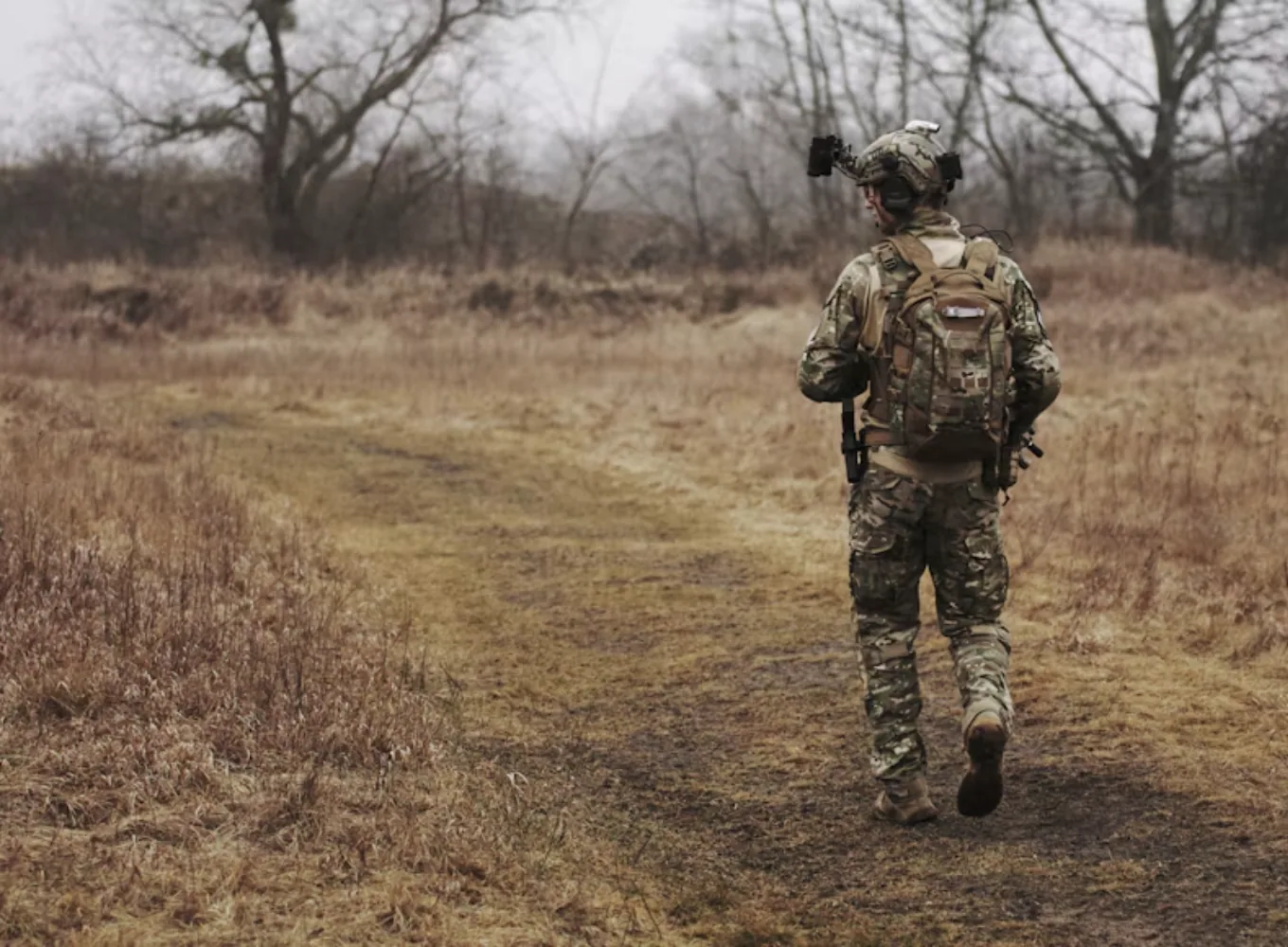
A soldier in camouflage and a helmet walking through a winter field, seen from behind — veterans and military therapy in Los Angeles
✓ LA VETERAN & MILITARY Therapists

Veterans therapy in LA
for the war after the war.

Serving in the military is truly a noble act. But with the experience comes more than a badge of honor — it often comes with physical and emotional aftereffects that, left unaddressed, can prevent you from leading a functional, fulfilling life. Our therapists are specially trained in EMDR, somatic, experiential, and nervous system-based therapy to help you find healing and freedom again.

Coming home takes 
many shapes.

A few of the ways military service commonly shows up for our therapy clients.

combat stress flashbacks nightmares always on alert jumpy at fireworks culture shock feeling alone losing friends in the unit trouble reconnecting depression substance use military sexual trauma
WHY WE DO THIS WORK
“Resilience is knowing that you are the only one that has the power and the responsibility to pick yourself up.”
— Mary Holloway
FROM THE FOUNDER OF MY LA THERAPY

A mini deep dive into trauma.

Our founder, Brooke Sprowl has 20 years specializing in trauma, abuse, PTSD and complex trauma. Her signature approach, Nervous System-Based Therapy, works at an unconscious level to shift the patterns running the show beneath the surface.

Brooke Sprowl, LCSW, founder of My LA Therapy
Brooke Sprowl, LCSW
Founder & Clinical Director
20 years in practice
More from Brooke on trauma
◀
▶
Psychological Trauma Treatment
Brooke on Broken Brain 2: understanding trauma
Cycle of Abuse in Relationships
WHAT COMING HOME SOUNDS LIKE

You made it home. 
Part of you is still deployed.

“I came home two years ago. Part of me is still over there.”
“Fireworks go off and I’m right back under fire.”
“Nobody here understands what I saw, so I stopped talking about it.”
“I don’t want to be a burden to the people I love.”
“The plan I had for after the service didn’t work out.”
“I drink so I can sleep.”

If you're nodding, that's exactly where we begin.

Find my therapist →
Research-based therapy for veterans

The deployment ended. 
Your body is still on alert.

PTSD, also known as combat stress and once called “shell shock,” has been estimated to affect as many as 15% of Veterans. When memories from combat leave you with flashbacks, nightmares, or constant alertness, it requires professional treatment.

These are signs that your nervous system needs support to shift the survival responses underlying emotional and cognitive patterns trauma left running. Below are a few of the most common signs of combat stress:

The good news
Combat stress is very treatable.

Supportive therapy, Cognitive Behavioral Therapy (CBT), and EMDR are proven by research to be effective in treating PTSD. Treatment typically combines:

supportive therapyCBTEMDRmindfulnessgrounding
Flashbacks
Nightmares
Intrusive memories
Hypervigilance
Avoidance
HEALING FOR SOLDIERS AND VETERANS

As a veteran, you’re no stranger to courage.
Healing requires courage as well.

At My LA Therapy, we understand the unique needs of veterans and the complexity of returning to civilian life after deployment. Sometimes it can feel like no one understands, and you may not feel comfortable talking with friends and family about the intensity of what you experienced and are feeling.

Sometimes the horrors can seem too great to face. But we can handle it alongside you. We are here to create a space where you can share your experiences without fearing becoming a burden to those you love. We take joy in shouldering these burdens with you and helping you navigate through your pain to find healing and freedom again.

To experience true and lasting joy in our life, we must face and conquer our pain by having the courage to face our underlying trauma and confront our fears.

WHAT VETERANS CARRY HOME

Service leaves invisible wounds. Each one can heal.

In addition to PTSD, many vets experience depression and substance abuse, and military sexual trauma can affect soldiers of all genders. Below are the struggles we most often treat in veterans and how each one tends to show up:

Silhouette of a person raising an American flag against the sun — PTSD and combat stress therapy for veterans in Los Angeles
PTSD & Combat Stress

Memories from combat, the death of close friends in the unit, and living in the midst of constant danger may be invisible wounds from war.

  • –Nightmares and flashbacks
  • –Persistent, repetitive, and intrusive thoughts
  • –Avoiding places, people, and situations that remind you
  • –Avoiding fireworks that bring back memories of gunshots
  • –Being extremely jumpy or alert
  • –A body stuck in a state of shock
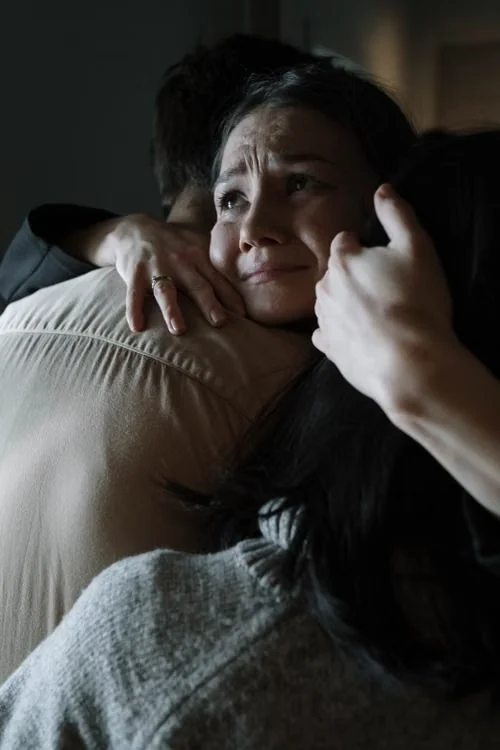
A tearful woman being held in a tight embrace by family — the transition to civilian life, therapy for veterans and military families in Los Angeles
The Transition to Civilian Life

Returning home means developing a whole new set of coping skills in a totally different environment.

  • ✓Finding employment
  • ✓Reconnecting with family
  • ✓Adjusting to a new way of life
  • ✓Plans for the next phase that don’t work out
  • ✓Culture shock, and a very lonely struggle
A hand in a teal sweatshirt holding an unlit cigarette — depression, suicide and substance abuse among veterans, therapy in Los Angeles
Depression, Suicide & Substance Abuse

In addition to PTSD, many vets experience depression and substance abuse — and both can be treated.

  • Depression and suicidal ideation
  • A suicide rate 1.5 times the non-veteran population
  • Substance abuse as an attempt to cope
  • Addiction, loss of employment, and even loss of life
  • Suicide can be prevented with appropriate treatment
A service member in an olive flight suit, seated with hands clasped and looking down — military sexual trauma therapy for veterans in Los Angeles
Military Sexual Trauma

Military sexual trauma can affect soldiers of all genders, and can occur even within one’s own brigade.

  • +Flashbacks or nightmares of sexual assault
  • +A negative impact on your day-to-day life
  • +PTSD following sexual trauma
  • +Substance abuse as a way to cope
  • +Anxiety and depression
COMING HOME

Serving is a noble act. Coming home takes courage too.

Military families and veterans, particularly those from recent wars who have been deployed numerous times, face challenging adjustments when they return to civilian life. It’s crucial that you get help during this transitional time.

The transition home

Finding employment, reconnecting with family, and adjusting to a new way of life.

Sometimes plans for the next phase don’t work out as planned, which means the soldier has to develop a whole new set of coping skills in a totally different environment. This can be a very lonely struggle, and soldiers often experience culture shock and even PTSD upon returning home.

Military sexual trauma

An issue that can affect soldiers of all genders — even within one’s own brigade.

Flashbacks or nightmares of sexual assault can negatively impact your day-to-day life. Sexual trauma can also lead to Post-Traumatic Stress Disorder (PTSD) and other coping mechanisms such as substance abuse, anxiety, and depression.

PTSD and military service, and how it shows up.

You might be in shock after a life-threatening event occurs, but if your body is stuck in that state of shock, it is very possible that you have PTSD. Below we break down combat stress and how it may show up in your life:

How it may show up in your life

Combat Stress

  • +PTSD is also known as combat stress, and was previously called “shell shock”
  • +It has been estimated to affect as many as 15% of Veterans
  • +Memories from combat, the death of close friends in the unit, and living in the midst of constant danger may be invisible wounds from war
!

If you are in crisis, call or text 988 (then press 1 for the Veterans Crisis Line) or 911. Sadly, the rate of suicide among veterans is 1.5 times that of the non-veteran population. In most cases, suicide can be prevented with appropriate treatment and prevention measures.

OUR THERAPISTS FOR VETERANS

Not the next name
in a directory — the right therapist chosen for you.

Every therapist on our team is rigorously vetted and trained by our founder, Brooke Sprowl, LCSW, with 20 years of clinical experience. So when you come to us as a veteran or service member, we get to know your unique needs, personality and preferences then match you with the right specialist for you. 

THERAPISTS SPECIALIZING IN PTSD & TRAUMA

PTSD therapists who go at your pace.

Personally vetted and trained by our founder, each of these therapists lists Post-Traumatic Stress Disorder (PTSD) among their specializations and brings special training in Nervous System-Based Therapy to the invisible wounds military service can leave. 

Meet the whole team →
◀
▶
Ariel Rhodus
Ariel Rhodus
ACSW
PTSDAbuse and TraumaEMDRSomatic
Heather Totten
Heather Totten
LMFT
PTSDAbuse and TraumaTF-CBTTRM
Sydney Shaevel
Sydney Shaevel
LMFT
PTSDAbuse and TraumaTF-CBTSomatic
Myesha Reynolds
Myesha Reynolds
AMFT
PTSDAbuse and TraumaIFSTRM
Brittany Plut
Brittany Plut
LCSW
PTSDGrief & lossChronic painACT
A soldier in camouflage and a helmet walking through a winter field, seen from behind — veterans and military therapy in Los Angeles
✓ LA VETERAN & MILITARY Therapists
Veterans therapy in LA
for the war after the war.

Serving in the military is truly a noble act. But with the experience comes more than a badge of honor — it often comes with physical and emotional aftereffects that, left unaddressed, can prevent you from leading a functional, fulfilling life. Our therapists are specially trained in EMDR, somatic, experiential, and nervous system-based therapy to help you find healing and freedom again.

Coming home takes 
many shapes.

A few of the ways military service commonly shows up for our therapy clients.

combat stress flashbacks nightmares always on alert jumpy at fireworks culture shock feeling alone losing friends in the unit trouble reconnecting depression substance use military sexual trauma
WHY WE DO THIS WORK
“Resilience is knowing that you are the only one that has the power and the responsibility to pick yourself up.”
— Mary Holloway
FROM THE FOUNDER OF MY LA THERAPY

A mini deep dive into trauma.

Our founder, Brooke Sprowl has 20 years specializing in trauma, abuse, PTSD and complex trauma. Her signature approach, Nervous System-Based Therapy, works at an unconscious level to shift the patterns running the show beneath the surface.

Brooke Sprowl, LCSW, founder of My LA Therapy
Brooke Sprowl, LCSW
Founder & Clinical Director
20 years in practice
More from Brooke on trauma
◀
▶
Psychological Trauma Treatment
Brooke on Broken Brain 2: understanding trauma
Cycle of Abuse in Relationships
WHAT COMING HOME SOUNDS LIKE

You made it home. 
Part of you is still deployed.

“I came home two years ago. Part of me is still over there.”
“Fireworks go off and I’m right back under fire.”
“Nobody here understands what I saw, so I stopped talking about it.”
“I don’t want to be a burden to the people I love.”
“The plan I had for after the service didn’t work out.”
“I drink so I can sleep.”

If you're nodding, that's exactly where we begin.

Find my therapist →
Research-based therapy for veterans

The deployment ended. Your body
is still on alert.

PTSD, also known as combat stress and once called “shell shock,” has been estimated to affect as many as 15% of Veterans. When memories from combat leave you with flashbacks, nightmares, or constant alertness, it requires professional treatment.

These are signs that your nervous system needs support to shift the survival responses underlying emotional and cognitive patterns trauma left running. Below are a few of the most common signs of combat stress:

The good news
Combat stress is very treatable.

Supportive therapy, Cognitive Behavioral Therapy (CBT), and EMDR are proven by research to be effective in treating PTSD. Treatment typically combines:

supportive therapyCBTEMDRmindfulnessgrounding
Flashbacks
Nightmares
Intrusive memories
Hypervigilance
Avoidance
HEALING FOR SOLDIERS AND VETERANS

As a veteran, you’re no stranger to courage.
Healing requires courage as well.

At My LA Therapy, we understand the unique needs of veterans and the complexity of returning to civilian life after deployment. Sometimes it can feel like no one understands, and you may not feel comfortable talking with friends and family about the intensity of what you experienced and are feeling.

Sometimes the horrors can seem too great to face. But we can handle it alongside you. We are here to create a space where you can share your experiences without fearing becoming a burden to those you love. We take joy in shouldering these burdens with you and helping you navigate through your pain to find healing and freedom again.

To experience true and lasting joy in our life, we must face and conquer our pain by having the courage to face our underlying trauma and confront our fears.

WHAT VETERANS CARRY HOME

Service leaves invisible wounds. Each one can heal.

In addition to PTSD, many vets experience depression and substance abuse, and military sexual trauma can affect soldiers of all genders. Below are the struggles we most often treat in veterans and how each one tends to show up:

Silhouette of a person raising an American flag against the sun — PTSD and combat stress therapy for veterans in Los Angeles
PTSD & Combat Stress

Memories from combat, the death of close friends in the unit, and living in the midst of constant danger may be invisible wounds from war.

  • –Nightmares and flashbacks
  • –Persistent, repetitive, and intrusive thoughts
  • –Avoiding places, people, and situations that remind you
  • –Avoiding fireworks that bring back memories of gunshots
  • –Being extremely jumpy or alert
  • –A body stuck in a state of shock
A tearful woman being held in a tight embrace by family — the transition to civilian life, therapy for veterans and military families in Los Angeles
The Transition to Civilian Life

Returning home means developing a whole new set of coping skills in a totally different environment.

  • ✓Finding employment
  • ✓Reconnecting with family
  • ✓Adjusting to a new way of life
  • ✓Plans for the next phase that don’t work out
  • ✓Culture shock, and a very lonely struggle
A hand in a teal sweatshirt holding an unlit cigarette — depression, suicide and substance abuse among veterans, therapy in Los Angeles
Depression, Suicide & Substance Abuse

In addition to PTSD, many vets experience depression and substance abuse — and both can be treated.

  • Depression and suicidal ideation
  • A suicide rate 1.5 times the non-veteran population
  • Substance abuse as an attempt to cope
  • Addiction, loss of employment, and even loss of life
  • Suicide can be prevented with appropriate treatment
A service member in an olive flight suit, seated with hands clasped and looking down — military sexual trauma therapy for veterans in Los Angeles
Military Sexual Trauma

Military sexual trauma can affect soldiers of all genders, and can occur even within one’s own brigade.

  • +Flashbacks or nightmares of sexual assault
  • +A negative impact on your day-to-day life
  • +PTSD following sexual trauma
  • +Substance abuse as a way to cope
  • +Anxiety and depression
COMING HOME

Serving is a noble act.
Coming home takes courage too.

Military families and veterans, particularly those from recent wars who have been deployed numerous times, face challenging adjustments when they return to civilian life. It’s crucial that you get help during this transitional time.

The transition home

Finding employment, reconnecting with family, and adjusting to a new way of life.

Sometimes plans for the next phase don’t work out as planned, which means the soldier has to develop a whole new set of coping skills in a totally different environment. This can be a very lonely struggle, and soldiers often experience culture shock and even PTSD upon returning home.

Military sexual trauma

An issue that can affect soldiers of all genders — even within one’s own brigade.

Flashbacks or nightmares of sexual assault can negatively impact your day-to-day life. Sexual trauma can also lead to Post-Traumatic Stress Disorder (PTSD) and other coping mechanisms such as substance abuse, anxiety, and depression.

PTSD and military service, and how it shows up.

You might be in shock after a life-threatening event occurs, but if your body is stuck in that state of shock, it is very possible that you have PTSD. Below we break down combat stress and how it may show up in your life:

How it may show up in your life
  • +PTSD is also known as combat stress, and was previously called “shell shock”
  • +It has been estimated to affect as many as 15% of Veterans
  • +Memories from combat, the death of close friends in the unit, and living in the midst of constant danger may be invisible wounds from war
!

If you are in crisis, call or text 988 (then press 1 for the Veterans Crisis Line) or 911. Sadly, the rate of suicide among veterans is 1.5 times that of the non-veteran population. In most cases, suicide can be prevented with appropriate treatment and prevention measures.

OUR THERAPISTS FOR VETERANS

Not the next name
in a directory — the right therapist chosen for you.

Every therapist on our team is rigorously vetted and trained by our founder, Brooke Sprowl, LCSW, with 20 years of clinical experience. So when you come to us as a veteran or service member, we get to know your unique needs, personality and preferences then match you with the right specialist for you. 

THERAPISTS SPECIALIZING IN PTSD & TRAUMA

PTSD therapists who go at your pace.

Personally vetted and trained by our founder, each of these therapists lists Post-Traumatic Stress Disorder (PTSD) among their specializations and brings special training in Nervous System-Based Therapy to the invisible wounds military service can leave. 

Meet the whole team →
◀
▶
Ariel Rhodus
Ariel Rhodus
ACSW
PTSDAbuse and TraumaEMDRSomatic
Heather Totten
Heather Totten
LMFT
PTSDAbuse and TraumaTF-CBTTRM
Sydney Shaevel
Sydney Shaevel
LMFT
PTSDAbuse and TraumaTF-CBTSomatic
Myesha Reynolds
Myesha Reynolds
AMFT
PTSDAbuse and TraumaIFSTRM
Brittany Plut
Brittany Plut
LCSW
PTSDGrief & lossChronic painACT
The standard we hold
Twenty years of clinical experience
behind every match.
★ 4.9average rating
100%match guarantee
Hand-matched, on us

Stop searching. We'll do it for you.

Tell us what's going on and we'll hand-select the right therapist for you.

1
You share what's going on
A few details — that's this form.
2
We hand-match you
Our therapist matching specialist personally matches you, usually the same day.
3
You meet, and decide
Love your therapist or get a full refund on your first session.
★★★★★
"I was in therapy on and off for 20 years. Brooke did more in one session than years of work with my previous therapists."

Let's find you the right therapist.

✓Every therapist vetted by Brooke Sprowl, LCSW · 20 years in practice
How can we help? *
Choose any that apply.
Which locations are most convenient for you?
More locations = more options
Free & confidential · Love your therapist — or your money back
★★★★★
"I was in therapy on and off for 20 years. Brooke did more in one session than years of work with my previous therapists."
Client reviews

When home finally felt like home.

★★★★★Verified client reviews
★★★★★
You did more in 45 minutes than my last therapist did in a year!
★★★★★
From the beginning of our session, Brooke knew exactly what tools and questions would work for my particular psychology. No other therapist has been able to do that.
★★★★★
I felt very seen, understood, and supported. Brooke went right to the source of the issue while staying so gentle and kind.
★★★★★
Brooke has the true gift of insight and compassion, getting straight to the heart of your blind spots in a way that’s truly changed my life.
★★★★★
Therapy helped me untangle so much confusion and bring peace to where I once felt fear. I feel free and alive for the first time in a long time.
★★★★★
My vivid imagination wants to create terrifying monsters under the bed. In a lot of cases those monsters are nothing more than a heap of laundry that just needs to be aired out.
Status quo vs. My LA Therapy

There’s a better way to
find your therapist.

Status quo
The My LA Therapy way
✕You cycle through dozens of therapists, unsure if they really fit your needs.
✓We personally match you with a therapist who fits your unique needs, personality, and preferences.
✕Therapists offer a listening ear but little feedback.
✓We offer practical feedback and actionable advice, challenging you to think and exist differently.
✕The therapy focuses on intellectual insight, leaving deeper problems untouched.
✓We intervene on a somatic and nervous system level, interrupting unconscious patterns in real-time.
✕Symptoms get managed on a superficial level so the same patterns keep repeating.
✓We treat the root cause and provide tangible, research-based tools that create lasting change. 
✕You pay for your session whether it's the right fit or not.
✓We guarantee you’ll love your therapist or you get a full refund on your first session.
Our founder’s signature approach

Nervous System-Based Therapy.

The original framework our founder developed over twenty years in practice, and the backbone of how we work with veterans: working with the survival response itself, not just the story it left behind.

✓Developed by our founder Brooke Sprowl, LCSW
01

Physiological calibration

Real-time nervous system regulation and autonomic tracking let us watch activation rise in the room and bring your system back toward safety before the work goes too far, too fast.

02

Defense system mapping

Trauma recruits defense mechanisms that once kept you safe and keep running long after the danger has passed, at the cost of feeling stability, trust, and connection. We identify and compassionately interrupt these defense mechanisms to break the cycle.

03

Multi-modal processing

Trauma travels different pathways in different people — memory, body, belief, and the parts of us that got left behind. We work somatically, experientially, cognitively, and with parts, understanding that each pathway requires different interventions. 

See how it works →
Our approach to therapy for veterans

The horrors can seem too great to face.
We can handle it alongside you.

Our compassionate and experienced therapists can work with you to map out an individualized treatment plan and help you overcome trauma, depression, anxiety, and of course, PTSD. Addiction can be treated too, and our therapists are skilled in helping our clients recover from depression, suicidal ideation, and substance abuse.

Therapy can successfully improve your life by helping you minimize the anxiety in your life, identify and change the underlying thought and behavioral patterns that contribute to your struggles, and provide you with strategies to decrease discomfort while restoring an overall sense of peace . No matter how unthinkable what you have suffered is, we will help you discover that your pain is not who you are.

Recovering is all about overcoming what has felt insurmountable. Our goal is to create an empowering environment that fosters self-worth and autonomy. The focus in treatment is to help you uncover the patterns that keep you stuck and to help you find freedom, peace, and transcendence. Our approach is warm and collaborative, and we are fully committed to guiding you to restore the best version of you. You set the pace. Taking ownership for your healing, you take the power back. Feelings of grief, anger, and fear are all normal parts of working through trauma. By building trust together over time and moving at your pace, we restore a sense of safety within and rewrite the story of your trauma so that it no longer rules your life.

Our evidence-based, scientifically proven interventions are demonstrated by research to be effective in addressing PTSD, trauma, depression, anxiety, substance abuse, and other mental health issues faced by veterans and those serving in the military. Learn more about these empirically validated methods by visiting our Trauma Focused CBT (TF-CBT) and EMDR pages.

How we work with veterans

Therapy for veterans that meets the whole story.

Supportive therapy, Cognitive Behavioral Therapy (CBT), and EMDR are proven by research to be effective in treating PTSD. Your therapist draws on the approaches below that fit what you lived through and the pace you set.

Neural filaments lit up inside a translucent brain — Nervous System-Based Therapy for trauma in Los AngelesSettle a body that is still braced for danger long after deployment.
Nervous System-Based Therapy for Veterans
NSBT for Veterans →
EMDR therapy for veterans in Los AngelesBilateral stimulation helps the brain refile a traumatic memory as a neutral memory from the past.
EMDR for Veterans
EMDR for Veterans →
Cognitive behavioral therapy (CBT) for veterans in Los AngelesIdentify and change the underlying thought and behavioral patterns that contribute to your struggles.
Cognitive Behavioral Therapy (CBT) for Veterans
CBT for Veterans →
Trauma-focused cognitive behavioral therapy (TF-CBT) in Los AngelesStructured work on the beliefs trauma installed about you.
Trauma-Focused CBT (TF-CBT)
TF-CBT for Veterans →
Cognitive processing therapy (CPT) for veterans in Los AngelesRewrite the stuck points — the conclusions you drew to survive it.
Cognitive Processing Therapy (CPT)
CPT for Veterans →
Mindfulness-based cognitive therapy (MBCT) for veterans in Los AngelesDeep breathing and mindfulness exercises that help your body relax.
Mindfulness-Based Cognitive Therapy (MBCT) for Veterans
Mindfulness for Veterans →
All approaches for veterans →
HELP FOR VETERANS STARTS HERE

Start with a free call.

Our therapist matching specialist knows every therapist on our roster personally and who is the best fit for your unique needs and personality. 

✓30 minutes, free. No charge, no commitment.
✓We listen, then hand-select your therapist from our small, boutique roster.
✓We guarantee you’ll love your therapist or you get a full refund on your session.
Book a free call →
Illustration of a therapist and client in conversation
Client reviews

When home finally felt like home.

★★★★★Verified client reviews
★★★★★
You did more in 45 minutes than my last therapist did in a year!
★★★★★
From the beginning of our session, Brooke knew exactly what tools and questions would work for my particular psychology. No other therapist has been able to do that.
★★★★★
Brooke has the true gift of insight and compassion, getting straight to the heart of your blind spots in a way that’s truly changed my life.
★★★★★
I felt very seen, understood, and supported. Brooke went right to the source of the issue while staying so gentle and kind.
★★★★★
Therapy helped me untangle so much confusion and bring peace to where I once felt fear. I feel free and alive for the first time in a long time.
★★★★★
My vivid imagination wants to create terrifying monsters under the bed. In a lot of cases those monsters are nothing more than a heap of laundry that just needs to be aired out.
Status quo vs. My LA Therapy

There’s a better way to
find your therapist.

Status quo
✕You cycle through dozens of therapists, unsure if they really fit your needs.
The My LA Therapy way
✓We personally match you with a therapist who fits your unique needs, personality, and preferences.
Status quo
✕Therapists offer a listening ear but little feedback.
The My LA Therapy way
✓We offer practical feedback and actionable advice, challenging you to think and exist differently.
Status quo
✕The therapy focuses on intellectual insight, leaving deeper problems untouched.
The My LA Therapy way
✓We intervene on a somatic and nervous system level, interrupting unconscious patterns in real-time.
Status quo
✕Symptoms get managed on a superficial level so the same patterns keep repeating.
The My LA Therapy way
✓We treat the root cause and provide tangible, research-based tools that create lasting change. 
Status quo
✕You pay for your session whether it's the right fit or not.
The My LA Therapy way
✓We guarantee you’ll love your therapist or you get a full refund on your first session.
Our founder’s signature approach

Nervous System-Based Therapy.

The original framework our founder developed over twenty years in practice, and the backbone of how we work with veterans: working with the survival response itself, not just the story it left behind.

✓Developed by our founder Brooke Sprowl, LCSW
01

Physiological calibration

Real-time nervous system regulation and autonomic tracking let us watch activation rise in the room and bring your system back toward safety before the work goes too far, too fast.

02

Defense system mapping

Trauma recruits defense mechanisms that once kept you safe and keep running long after the danger has passed, at the cost of feeling stability, trust, and connection. We identify and compassionately interrupt these defense mechanisms to break the cycle.

03

Multi-modal processing

Trauma travels different pathways in different people — memory, body, belief, and the parts of us that got left behind. We work somatically, experientially, cognitively, and with parts, understanding that each pathway requires different interventions. 

See how it works →
Our approach to therapy for veterans

The horrors can seem too great to face. We can handle it alongside you.

Our compassionate and experienced therapists can work with you to map out an individualized treatment plan and help you overcome trauma, depression, anxiety, and of course, PTSD. Addiction can be treated too, and our therapists are skilled in helping our clients recover from depression, suicidal ideation, and substance abuse.

Therapy can successfully improve your life by helping you minimize the anxiety in your life, identify and change the underlying thought and behavioral patterns that contribute to your struggles, and provide you with strategies to decrease discomfort while restoring an overall sense of peace . No matter how unthinkable what you have suffered is, we will help you discover that your pain is not who you are.

Recovering is all about overcoming what has felt insurmountable. Our goal is to create an empowering environment that fosters self-worth and autonomy. The focus in treatment is to help you uncover the patterns that keep you stuck and to help you find freedom, peace, and transcendence. Our approach is warm and collaborative, and we are fully committed to guiding you to restore the best version of you. You set the pace. Taking ownership for your healing, you take the power back. Feelings of grief, anger, and fear are all normal parts of working through trauma. By building trust together over time and moving at your pace, we restore a sense of safety within and rewrite the story of your trauma so that it no longer rules your life.

Our evidence-based, scientifically proven interventions are demonstrated by research to be effective in addressing PTSD, trauma, depression, anxiety, substance abuse, and other mental health issues faced by veterans and those serving in the military. Learn more about these empirically validated methods by visiting our Trauma Focused CBT (TF-CBT) and EMDR pages.

How we work with veterans

Therapy for veterans that meets the whole story.

Supportive therapy, Cognitive Behavioral Therapy (CBT), and EMDR are proven by research to be effective in treating PTSD. Your therapist draws on the approaches below that fit what you lived through and the pace you set.

Neural filaments lit up inside a translucent brain — Nervous System-Based Therapy for trauma in Los AngelesSettle a body that is still braced for danger long after deployment.
Nervous System-Based Therapy for Veterans
NSBT for Veterans →
EMDR therapy for veterans in Los AngelesBilateral stimulation helps the brain refile a traumatic memory as a neutral memory from the past.
EMDR for Veterans
EMDR for Veterans →
Cognitive behavioral therapy (CBT) for veterans in Los AngelesIdentify and change the underlying thought and behavioral patterns that contribute to your struggles.
Cognitive Behavioral Therapy (CBT) for Veterans
CBT for Veterans →
Trauma-focused cognitive behavioral therapy (TF-CBT) in Los AngelesStructured work on the beliefs trauma installed about you.
Trauma-Focused CBT (TF-CBT)
TF-CBT for Veterans →
Cognitive processing therapy (CPT) for veterans in Los AngelesRewrite the stuck points — the conclusions you drew to survive it.
Cognitive Processing Therapy (CPT)
CPT for Veterans →
Mindfulness-based cognitive therapy (MBCT) for veterans in Los AngelesDeep breathing and mindfulness exercises that help your body relax.
Mindfulness-Based Cognitive Therapy (MBCT) for Veterans
Mindfulness for Veterans →
HELP FOR VETERANS STARTS HERE

Start with a free call.

Our therapist matching specialist knows every therapist on our roster personally and who is the best fit for your unique needs and personality. 

✓30 minutes, free. No charge, no commitment.
✓We listen, then hand-select your therapist from our small, boutique roster.
✓We guarantee you’ll love your therapist or you get a full refund on your session.
Book a free call →
Illustration of a therapist and client in conversation
LA THERAPY FOR VETERANS, YOUR WAY

Therapy for veterans across Los Angeles.

Our warm and experienced LA trauma and PTSD specialists meet you where it works best — in person at 7 offices across the city, online anywhere in California , or in your home — or a mix of all three.

LA THERAPY FOR VETERANS, YOUR WAY

Therapy for veterans across Los Angeles.

Our warm and experienced LA trauma and PTSD specialists meet you where it works best — in person at 7 offices across the city, online anywhere in California , or in your home — or a mix of all three.

Santa Monica West LA Beverly Hills Encino Studio City Echo Park Pasadena We come to you* Hybrid Online (in CA)

*Available within a certain radius — get matched to find out more.

7 LA offices
A NOTE FROM OUR FOUNDER

You carried it for all of us. Let us carry it with you.

I spent more than 10 years seeking help for my own mental health with over a dozen different therapists. I know this territory so deeply because I've lived it personally. I know what it feels like to be told the danger has passed while your body insists otherwise, and to carry shame that was never yours to begin with.

You are not weak, and you are not too much. Combat stress finds brilliant, capable, deeply feeling people. In twenty years of practice, my clients are some of the most extraordinary people I've ever met. 

Combat stress heals as you learn to work with the nervous system rather than against it, discerning the cues your body is sending you to slow down, pay attention, and tend to your own needs. In this way, you restore your capacity to trust yourself, repattern your nervous system, and reconnect with a sense of peace and aliveness

Brooke Sprowl, LCSW
Brooke Sprowl, LCSW, founder and clinical director of My LA Therapy
Brooke Sprowl, LCSW
Founder & Clinical Director
20 yearsin practice
My LA Therapy logo
A CBT WORKBOOK

Mindset Mastery Guide

A research-based guide for mastering irrational thoughts.
Brooke Sprowl, LCSW
mylatherapy.com
Free resource for trauma & depression

Learn to quiet the thoughts trauma left behind.

Learn scientifically proven CBT techniques to overcome trauma, depression, and irrational thoughts so you can see yourself in more realistic and empowering ways.

Inside the guide · 6 pages
My LA Therapy logo
A CBT WORKBOOK

Mindset Mastery Guide

A research-based guide for mastering irrational thoughts.
Brooke Sprowl, LCSW
mylatherapy.com
Mindset Mastery Guide
My LA Therapy
Mindset Mastery Guide
Mastering Irrational Thoughts

Think of this guide like a workout for your well-being.

The more you practice, the better your mental endurance and fitness will be. Practice often to create greater resiliency, self-esteem, and courage.

Often our anxiety, depression, and poor self-esteem are triggered by Thought Distortions that reinforce our deepest fears about ourselves, others, and our future.

We tend to unquestioningly accept these Thought Distortions as true when we leave them unchecked and do not examine them more deeply.

With a deeper investigation of our Thought Distortions, we may discover important truths about ourselves and how these knee-jerk, reactive thoughts contribute to our negative, Self-Limiting Core Beliefs and narratives.

Cognitive Behavioral Therapy (CBT) is a research-proven technique that can help transform depression, anxiety, and low self-esteem and help us see ourselves and the world in more empowering, balanced, and realistic ways.

CBT takes the scientific method and uses it to kick Distorted Thoughts to the curb so we can become more confident, peaceful, and hopeful.

This is the beginning of creating the life you've always wanted and becoming the person you've always wanted to be.

mylatherapy.com1 of 6
A workout for your well-being
My LA Therapy
The Thought Record
Worked example
Trigger Situation
What happened, where, and who were you with? Describe it in detail.
"I had a fight with my boyfriend about moving in together."
Trigger Feelings
Name the feelings that arose, and rate each from 1–10 (10 = most extreme).
Anxious · 8Depressed · 7Rejected · 5
Your Thought Distortion
What went through your mind? What did you tell yourself this means about you, others, or your future?
"He’s going to break up with me." "No one will ever love me." "I don’t want to be alone."
Evidence for Your Thought Distortion — The Lawyer
Like a lawyer, list only the facts that support this thought — no interpretation or mind-reading.
"My past relationships were ended by my partners. He said he doesn’t want to move in. My dad left when I was a kid."
Thought Transformation — The Judge
Like a judge, weigh both sides into one balanced statement. Rate how much you believe it, 1–10.
"Even though I’ve felt rejection before and he isn’t ready to move in yet, many people love me and I am not alone."
Rate Feelings
Now re-rate your Trigger Feelings from 1–10.
Anxious · 4Depressed · 3Rejected · 1
mylatherapy.com2 of 6
Step-by-step CBT technique
My LA Therapy
The Thought Record
Your turn
Trigger Situation
What happened, where, and who were you with? Describe it in detail.
Trigger Feelings (rate 1–10)
Name the feelings that arose, and rate each from 1–10 (10 = most extreme).
Your Thought Distortion
What went through your mind? What did you tell yourself this means about you, others, or your future?
Evidence for Your Thought Distortion — The Lawyer (facts only)
Like a lawyer, list only the facts that support this thought — no interpretation or mind-reading.
Thought Transformation — The Judge (rate 1–10)
Like a judge, weigh both sides into one balanced statement. Rate how much you believe it, 1–10.
Rate Feelings (rate 1–10)
Now re-rate your Trigger Feelings from 1–10.
mylatherapy.com3 of 6
Apply your real life situation
My LA Therapy
Mindset Mastery Guide
Prompts

Questions to help challenge your Thought Distortions

01Have I had any experiences that show that this thought is not completely true all the time?
02If my best friend or someone I loved had this Thought Distortion, what would I tell them?
03If my best friend or someone who loves me knew I was thinking this thought, what would they say to me? What evidence would they point out to me that would suggest that my thoughts were not 100% true?
04When I am not feeling this way, do I think about this type of situation any differently? How?
05When I have felt this way in the past, what did I think that helped me feel better?
06Have I been in this type of situation before? What happened? Is there anything different between this situation and previous ones? What have I learned from prior experiences that could help me now?
07Are there any small things that contradict my Thought Distortion that I might be discounting as not important?
08Five years from now, if I look back at this situation, will I look at it any differently? Will I focus on any different part of my experience?
09Are there any strengths or positives in me or in the situation that I am ignoring?
10Am I blaming myself for something over which I do not have complete control?
mylatherapy.com4 of 6
Prompts to challenge irrational thoughts
My LA Therapy
Next steps

Next steps.

Our Thought Mastery Guide is just one of many research-proven tools we use to help you overcome your inner roadblocks, find greater peace, and support your self-transformation.

To dive deeper and take your transformation to the next level, book a free call with our Matching Specialist so we can pair you with one of our warm, experienced therapists.

Book a free call →

To book a free call, click the button above or learn more at: mylatherapy.com

We are here to answer any questions and to empower you to discover new ways of being to create a more purposeful, peaceful, and soulful life.

Brooke Sprowl6 of 6
Next steps

You came home.
Now let’s help you feel at home.

You deserve a life the war doesn’t get to control. One conversation is all it takes to know whether we’re the right people to help you take it back.

Find my therapist →
FAQS ABOUT THERAPY FOR VETERANS

Before you reach out.

Still deciding? The free 30-minute consult exists for exactly this — no charge, no commitment.

What is the difference between combat stress and PTSD?
They are the same condition: PTSD is also known as combat stress and was previously called “shell shock.” When you face a life-threatening event your body mobilizes — your heart beats faster, your muscles tense up — and returns to normal once the threat passes. With PTSD, your body does not return to its regular state even after the threat is long gone.
I've tried therapy before and it didn't work. Why would this be different?
Usually because the fit was wrong or the approach stopped at cognitive insight alone. We hand-select your therapist for what you lived through rather than handing you a directory, and if you don't love your match, you can tell us and we'll make it right.
What therapy works best for veterans with PTSD?
Supportive therapy, Cognitive Behavioral Therapy (CBT), and EMDR are proven by research to be effective in treating PTSD. Your therapist maps out an individualized treatment plan and draws on the approaches that fit you. That's why the match matters as much as the method.
How long does therapy for veterans take?
Most people feel a shift in the first several weeks and do meaningful work over a few months. Your therapist will be candid with you about what your situation likely calls for.
Do you offer online therapy for veterans?
Yes. You can meet online across California, or in person at any of our LA offices. Many clients mix the two, and for veterans specifically, doing the work from a room where you already feel safe often matters more than the office.
How do you decide which therapist I see?
You tell us what's going on, and we hand-select from our small, boutique roster. Every therapist on it is personally vetted and trained by our founder. We weigh your unique needs, personality, and values against each therapist's specialties and style, and we factor in the practical pieces too, like which of our locations are convenient for you and when you're free to meet. It's a human judgment call, not an algorithm.
A NOTE FROM OUR FOUNDER

You carried it for all of us. Let us carry it with you.

I spent more than 10 years seeking help for my own mental health with over a dozen different therapists. I know this territory so deeply because I've lived it personally. I know what it feels like to be told the danger has passed while your body insists otherwise, and to carry shame that was never yours to begin with.

You are not weak, and you are not too much. Combat stress finds brilliant, capable, deeply feeling people. In twenty years of practice, my clients are some of the most extraordinary people I've ever met. 

Combat stress heals as you learn to work with the nervous system rather than against it, discerning the cues your body is sending you to slow down, pay attention, and tend to your own needs. In this way, you restore your capacity to trust yourself, repattern your nervous system, and reconnect with a sense of peace and aliveness

Brooke Sprowl, LCSW
Brooke Sprowl, LCSW, founder and clinical director of My LA Therapy
Brooke Sprowl, LCSW
Founder & Clinical Director
20 yearsin practice
My LA Therapy logo
A CBT WORKBOOK

Mindset Mastery Guide

A research-based guide for mastering irrational thoughts.
Brooke Sprowl, LCSW
mylatherapy.com
Free resource for trauma & depression

Learn to quiet the thoughts trauma left behind.

Learn scientifically proven CBT techniques to overcome trauma, depression, and irrational thoughts so you can see yourself in more realistic and empowering ways.

Your email
Download For Free
Inside the guide · 6 pages
My LA Therapy logo
A CBT WORKBOOK

Mindset Mastery Guide

A research-based guide for mastering irrational thoughts.
Brooke Sprowl, LCSW
mylatherapy.com
Mindset Mastery Guide
My LA Therapy
Mindset Mastery Guide
Mastering Irrational Thoughts

Think of this guide like a workout for your well-being.

The more you practice, the better your mental endurance and fitness will be. Practice often to create greater resiliency, self-esteem, and courage.

Often our anxiety, depression, and poor self-esteem are triggered by Thought Distortions that reinforce our deepest fears about ourselves, others, and our future.

We tend to unquestioningly accept these Thought Distortions as true when we leave them unchecked and do not examine them more deeply.

With a deeper investigation of our Thought Distortions, we may discover important truths about ourselves and how these knee-jerk, reactive thoughts contribute to our negative, Self-Limiting Core Beliefs and narratives.

Cognitive Behavioral Therapy (CBT) is a research-proven technique that can help transform depression, anxiety, and low self-esteem and help us see ourselves and the world in more empowering, balanced, and realistic ways.

CBT takes the scientific method and uses it to kick Distorted Thoughts to the curb so we can become more confident, peaceful, and hopeful.

This is the beginning of creating the life you've always wanted and becoming the person you've always wanted to be.

mylatherapy.com1 of 6
A workout for your well-being
My LA Therapy
The Thought Record
Worked example
Trigger Situation
What happened, where, and who were you with? Describe it in detail.
"I had a fight with my boyfriend about moving in together."
Trigger Feelings
Name the feelings that arose, and rate each from 1–10 (10 = most extreme).
Anxious · 8Depressed · 7Rejected · 5
Your Thought Distortion
What went through your mind? What did you tell yourself this means about you, others, or your future?
"He’s going to break up with me." "No one will ever love me." "I don’t want to be alone."
Evidence for Your Thought Distortion — The Lawyer
Like a lawyer, list only the facts that support this thought — no interpretation or mind-reading.
"My past relationships were ended by my partners. He said he doesn’t want to move in. My dad left when I was a kid."
Thought Transformation — The Judge
Like a judge, weigh both sides into one balanced statement. Rate how much you believe it, 1–10.
"Even though I’ve felt rejection before and he isn’t ready to move in yet, many people love me and I am not alone."
Rate Feelings
Now re-rate your Trigger Feelings from 1–10.
Anxious · 4Depressed · 3Rejected · 1
mylatherapy.com2 of 6
Step-by-step CBT technique
My LA Therapy
The Thought Record
Your turn
Trigger Situation
What happened, where, and who were you with? Describe it in detail.
Trigger Feelings (rate 1–10)
Name the feelings that arose, and rate each from 1–10 (10 = most extreme).
Your Thought Distortion
What went through your mind? What did you tell yourself this means about you, others, or your future?
Evidence for Your Thought Distortion — The Lawyer (facts only)
Like a lawyer, list only the facts that support this thought — no interpretation or mind-reading.
Thought Transformation — The Judge (rate 1–10)
Like a judge, weigh both sides into one balanced statement. Rate how much you believe it, 1–10.
Rate Feelings (rate 1–10)
Now re-rate your Trigger Feelings from 1–10.
mylatherapy.com3 of 6
Apply your real life situation
My LA Therapy
Mindset Mastery Guide
Prompts

Questions to help challenge your Thought Distortions

01Have I had any experiences that show that this thought is not completely true all the time?
02If my best friend or someone I loved had this Thought Distortion, what would I tell them?
03If my best friend or someone who loves me knew I was thinking this thought, what would they say to me? What evidence would they point out to me that would suggest that my thoughts were not 100% true?
04When I am not feeling this way, do I think about this type of situation any differently? How?
05When I have felt this way in the past, what did I think that helped me feel better?
06Have I been in this type of situation before? What happened? Is there anything different between this situation and previous ones? What have I learned from prior experiences that could help me now?
07Are there any small things that contradict my Thought Distortion that I might be discounting as not important?
08Five years from now, if I look back at this situation, will I look at it any differently? Will I focus on any different part of my experience?
09Are there any strengths or positives in me or in the situation that I am ignoring?
10Am I blaming myself for something over which I do not have complete control?
mylatherapy.com4 of 6
Prompts to challenge irrational thoughts
My LA Therapy
Next steps

Next steps.

Our Thought Mastery Guide is just one of many research-proven tools we use to help you overcome your inner roadblocks, find greater peace, and support your self-transformation.

To dive deeper and take your transformation to the next level, book a free call with our Matching Specialist so we can pair you with one of our warm, experienced therapists.

Book a free call →

To book a free call, click the button above or learn more at: mylatherapy.com

We are here to answer any questions and to empower you to discover new ways of being to create a more purposeful, peaceful, and soulful life.

Brooke Sprowl6 of 6
Next steps

You came home.
Now let’s help you feel at home.

You deserve a life the war doesn’t get to control. One conversation is all it takes to know whether we’re the right people to help you take it back.

Find my therapist →
FAQS ABOUT THERAPY FOR VETERANS

Before you reach out.

Still deciding? The free 30-minute consult exists for exactly this — no charge, no commitment.

What is the difference between combat stress and PTSD?
They are the same condition: PTSD is also known as combat stress and was previously called “shell shock.” When you face a life-threatening event your body mobilizes — your heart beats faster, your muscles tense up — and returns to normal once the threat passes. With PTSD, your body does not return to its regular state even after the threat is long gone.
I've tried therapy before and it didn't work. Why would this be different?
Usually because the fit was wrong or the approach stopped at cognitive insight alone. We hand-select your therapist for what you lived through rather than handing you a directory, and if you don't love your match, you can tell us and we'll make it right.
What therapy works best for veterans with PTSD?
Supportive therapy, Cognitive Behavioral Therapy (CBT), and EMDR are proven by research to be effective in treating PTSD. Your therapist maps out an individualized treatment plan and draws on the approaches that fit you. That's why the match matters as much as the method.
How long does therapy for veterans take?
Most people feel a shift in the first several weeks and do meaningful work over a few months. Your therapist will be candid with you about what your situation likely calls for.
Do you offer online therapy for veterans?
Yes. You can meet online across California, or in person at any of our LA offices. Many clients mix the two, and for veterans specifically, doing the work from a room where you already feel safe often matters more than the office.
How do you decide which therapist I see?
You tell us what's going on, and we hand-select from our small, boutique roster. Every therapist on it is personally vetted and trained by our founder. We weigh your unique needs, personality, and values against each therapist's specialties and style, and we factor in the practical pieces too, like which of our locations are convenient for you and when you're free to meet. It's a human judgment call, not an algorithm.