

“A man is but the product of his thoughts; what he thinks, he becomes.”
Diving deeper into CBT.
A few minutes with our founder, Brooke Sprowl, LCSW — on how we practice, and why changing a thought pattern takes more than noticing it.
Thoughts, feelings, behavior — one loop.
CBT works from a simple premise: what you think shapes what you feel, and what you feel shapes what you do. Change the thought and the loop changes with it.
In practice that means identifying the patterns running underneath the distress, testing them against evidence, and building new responses you can actually use between sessions.
When the pain starts to feel like who you are.
TF-CBT is built for the aftermath of trauma. Moving at a pace that’s comfortable for you, we create a safe place to process what happened so it no longer runs your life.
However unthinkable your trauma, your pain does not define you.
Tell us what’s going on.
Let’s find you the right therapist. We’ll hand-select yours from our small, boutique roster.
- Free 30-minute consult
- Matched to the approach that fits
- Love your therapist, or your money back
“A man is but the product of his thoughts; what he thinks, he becomes.”
Diving deeper into CBT.
A few minutes with our founder, Brooke Sprowl, LCSW — on how we practice, and why changing a thought pattern takes more than noticing it.
Your reality is not always reality.
Your beliefs about yourself, other people, and the world shape how you feel every day, and most of them run without your noticing. When those beliefs are negative, you are seeing your life through a distorted lens, and it looks like the way things are.
CBT treats the belief itself as the problem. Together we examine the evidence for and against a thought, hold it against what is actually true, and build a more accurate and more empowering way of seeing. Much of what drives distorted thinking is fear, often unrecognized, and fear narrows how you respond to everything from a hard conversation to a decision at work.
“I know it’s irrational. It still feels true.”
Notice the thought
Common distortions sound like “I am worthless” or “I will never get better.” Left unchecked they become self-fulfilling, a feedback loop that is hard to break from inside. The first skill is catching the thought as it happens.
“What is the evidence, really?”
Test it against the evidence
We apply the scientific method to the belief itself, weighing what supports it and what contradicts it, interrupting black-and-white thinking and widening the frame to a larger perspective.
“A more accurate story, practiced until it holds.”
Rebuild the pattern
Cognitive restructuring replaces the distortion with something balanced and true. The new response gets easier with repetition, which is what rewires the pathway.
Practiced consistently, CBT changes more than mood. Repetition rewires the neural pathways that produce the old response, which is why research finds its effects hold long after therapy ends.
Evidence-based, never by the book.
Plenty of therapists list CBT. The difference is judgment — knowing when a thought record is the right move and when the work belongs somewhere deeper. Every therapist on our roster is personally vetted and trained by our founder, Brooke Sprowl, LCSW, with 20 years in clinical practice — so your CBT is tailored to you rather than run off a protocol.
When the pain starts to feel like who you are.
TF-CBT is a form of cognitive behavioral therapy built for the aftermath of trauma — for survivors trying to regain something like normal. Moving at a pace that's comfortable for you, we create a safe place to process what happened so it no longer runs your life.
PTSD isn't always obvious to the untrained eye. It shows up as emotional numbness, trouble concentrating, sleep problems, physical pain.
However unthinkable your trauma, your pain does not define you.
Proven especially effective for young people.
Trauma-sensitive interventions combined with cognitive behavioral, family, and humanistic principles.
We teach children and parents techniques to process thoughts and feelings around what happened — building safety skills, opening family communication, and resolving the thoughts that keep circling.
One method, proven across the concerns people bring us most.
CBT is often combined with other approaches on our roster. Each of the conditions below has its own page with the specifics of how we treat it.
 When worry has become the default setting.
Anxiety
Identify the catastrophic predictions and safety behaviors that keep anxiety running, and test them against what actually happens.
 When the inner critic sounds like the truth.
Depression
Interrupt the global, self-critical thinking depression produces, and rebuild activity and meaning in small, measurable steps.
 When “I am not enough” feels like a fact.
Self-esteem
Examine the core beliefs about your worth that formed early, and replace them with an assessment that reflects who you actually are.
 When food and body have become the battleground.
Eating disorders
Address the rigid rules and body-image distortions that drive disordered eating, alongside medical and nutritional support where needed.
 When the past keeps arriving in the present.
PTSD & trauma
Trauma-focused CBT processes what happened at a pace you can tolerate, so the memory stops dictating how you live now.
 When you keep reacting to the story instead of the person.
Relationships
Notice the assumptions you make about a partner, a parent, or a colleague, and replace mind-reading with a more accurate read of what is happening.
Therapists trained in CBT.
Every therapist on our CBT team is highly trained and clinically skilled. We also select for something harder to teach: they are open, warm, and real in the room rather than hidden behind a professional veil. Each has done their own work, which is part of what equips them to help you with yours. Alongside CBT, they draw from experiential, mindfulness-based, and psychodynamic approaches, all shown in clinical research to be effective.

Brooke Sprowl
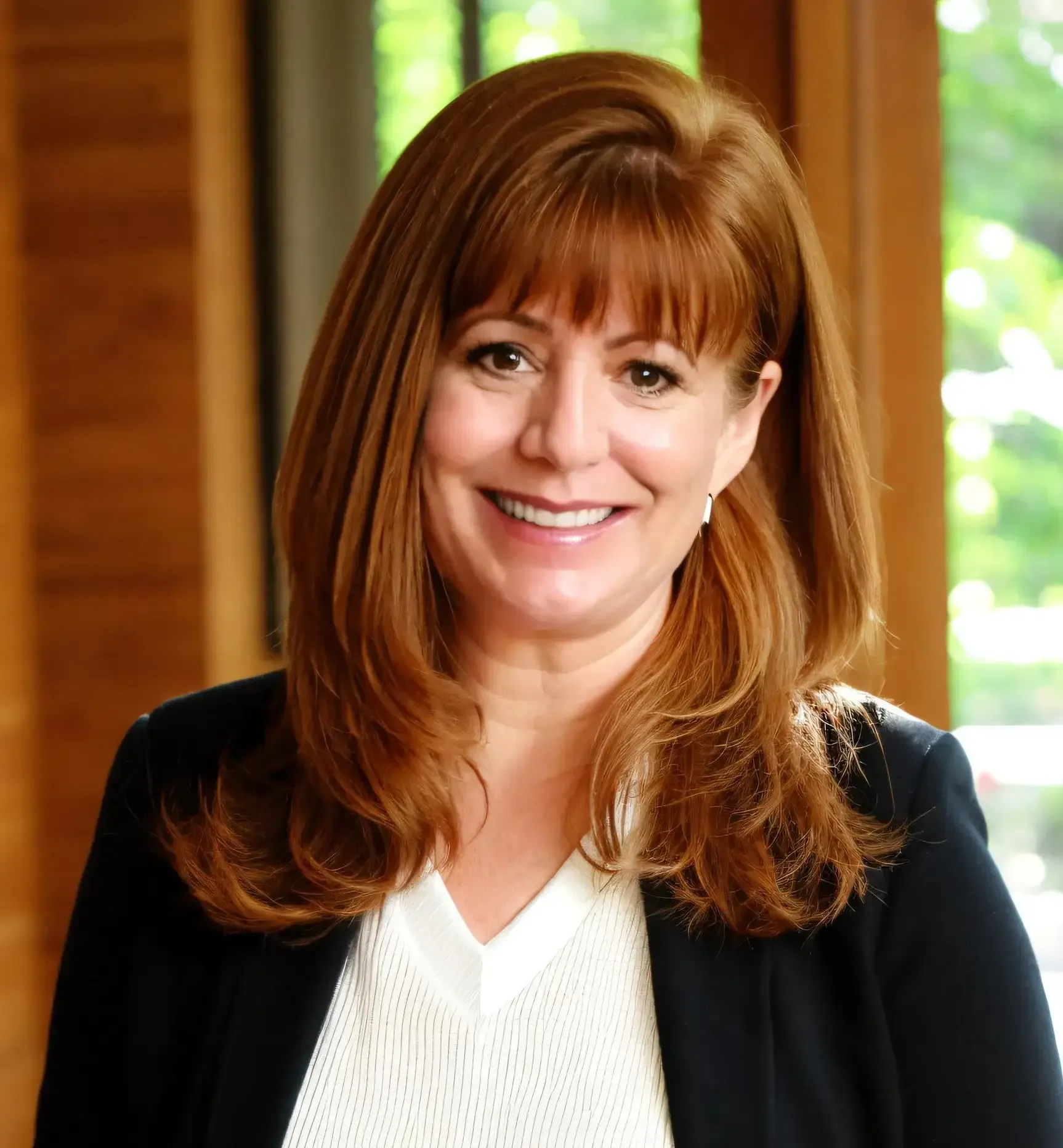
Heather Totten

Sydney Shaevel

Ariel Rhodus

Emilee Johnsen

Myesha Reynolds

Michelle Stroffolino

Brittany Plut

Tanya Mailander
Therapists trained in the CBT family.
Brooke Sprowl
Heather Totten
Sydney Shaevel
Ariel Rhodus
Emilee Johnsen
Myesha Reynolds
Michelle Stroffolino
Brittany Plut
Tanya Mailander
Eastside, Westside, and everywhere in between.
Seven offices around the city, plus online sessions anywhere in California. Hover a neighborhood to place it on the map — then tell us what's convenient and we'll factor it into your match.Tap a neighborhood to place it on the map.
*Available within a certain radius — get matched to find out more.
When the thinking finally shifted.
Brooke has the true gift of insight and compassion — getting straight to the heart of your blind spots in a way that’s truly changed my life.
I felt very seen, understood, and supported — Brooke went right to the source of the issue while staying so gentle and kind.
I’d been in therapy on and off for 20 years. Brooke did more in one session than years of work with my previous therapist.
You’ve had these thoughts long enough. Let’s put them to work.
One conversation is all it takes to know whether we’re the right fit.
Find my therapist →Before you reach out.
When the thinking finally shifted.
You did more in 45 minutes than my last therapist did in a year!
I am blown away! Brooke has the true gift of great insight and compassion while also getting straight to the heart of your blind spots in a way that has truly changed my life.
I can only imagine where I would be today if I had started working with Brooke years ago. I cannot recommend Brooke more highly.
Brooke goes directly to the source of the issue while keeping a very gentle and kind energy. I felt very seen, understood, and supported.
There are people who are good at their work, and there are people like Brooke: who are born to do it. Brooke knew exactly what tools and questions would work for my particular psychology. No other therapist has been able to do that, or anything close.
I’d been in therapy on and off for 20 years. Brooke did more in one session than years of work with my previous therapist.
Brooke is kind and warm, but not afraid to challenge you. Caring, authentic, and compassionate, as well as wickedly smart.
I have worked with many therapists in the past, but this is the first time I feel that I am making real changes. Brooke’s counseling has helped me become free, even from things I wasn’t aware were affecting me.
Therapy helped me untangle so much confusion and bring peace to where I once felt fear. I feel free and alive for the first time in a long time.
You’ve had these thoughts long enough. Let’s put them to work.
One conversation is all it takes to know whether we’re the right fit.
Find my therapist →Before you reach out.
Still deciding? The free 30-minute consult exists for exactly this — no charge, no commitment.