

“In every nursery there are ghosts.”
Diving deeper into child-parent psychotherapy.
Our founder, Brooke Sprowl, LCSW, has 20 years in clinical practice. Her signature approach, Nervous System-Based Therapy, works at an unconscious level to shift the patterns running the show beneath the surface.
- ✓ Work with child and caregiver in the room together, not the child alone
- ✓ Restore the attachment relationship the traumatic event disrupted
- ✓ Hold the healing inside safe, empathic family relationships, where it lasts
- ✓ Meet very young children where they are, from birth through about age five
When the parent, the child, or both go through trauma.
Child Parent Psychotherapy can be used when either the parent or the child goes through a traumatic event, or both. This event can include the loss of a loved one, such as a parent, an accident, or even abuse.
CPP is generally geared towards younger children, between the ages of 0 and 5, who have undergone trauma, or are experiencing mental health issues, such as post-traumatic stress disorder (PTSD), attention deficit disorders, or depression and anxiety.
It’s important to understand that there are many different ways we may respond to traumatic events. These can range from a normal amount of stress, to stress that affects our emotions, to post-traumatic stress disorder.
Exposure to domestic violence, child abuse, or emotional violence can also trigger traumatic responses in your child, and it is extremely important to get help immediately in this event. The longer you wait, the more ripple effects the trauma can have on our psyches and our lives.
Children are not too young to be affected.
Trauma can also negatively affect the way children and parents relate to one another. One of the things that can happen is that whenever you see each other, both you and your child remind each other of the traumatic event.
Since you most likely live with your child, this can cause overwhelming sadness and hurt, multiple times a day. Your child might also change their way of thinking and have new negative reminders of the event.
An objective of Child Parent Psychotherapy is to restore normal developmental functioning of your child, as well as restore safety within a potentially ruptured relationship in the wake of a traumatic experience.
Oftentimes, adults think that children are “too young” to understand trauma, or believe that because the event did not occur directly in front of the child, that the child is therefore unaffected by the trauma.
However, while a child may in fact not cognitively understand a traumatic event, we know that children are greatly impacted by their surroundings and that healing begins when the trauma is allowed to be acknowledged and processed within the safety of a loving relationship.
The type of trauma experienced and the child’s developmental stage will determine the structure of your therapy sessions. Child Parent Psychotherapy is play based, and supports developmentally appropriate communication and understanding between the child and parent/caregiver.
Empathy and understanding, on both sides.
The most important aspect of CPP is to build empathy and understanding within the child/parent relationship as a means of fostering familial safety, acceptance, and resilience.
Six places the work concentrates.
There are several components that make up the child-parent psychotherapy process. These include:
The relationship
Focusing on the relationship between the parent and the child as the main area that needs intervention and improvement.
Safety
Focusing on safety by emphasizing and correcting any issues that can lead to an unsafe environment, as well as establishing boundaries and roles that the parent and child should have in order to maintain a better relationship.
Emotional regulation
Focusing on emotional regulation by identifying which experiences had an effect on the relationship between the parent and the child and learning emotional regulation and coping skills.
Reciprocity
Focusing on reciprocity in relationships by making sure that the parent and child know that they love each other and understand each other, while still emphasizing that the parent and child are different from each other.
The traumatic event
Focusing on the event that caused trauma by acknowledging and understanding how both parent and child viewed and are reacting to the trauma, as well as connecting any past traumatic experiences with how you might be feeling or acknowledging any behaviors that might be resulting from the trauma.
This is also done by guiding the parent to assist the child in processing and looking at the trauma from a new perspective.
Continuing daily life
Focusing on continuing daily life by establishing an emphasis on a daily routine, as well as learning which activities you should be doing throughout the day.
Focusing on the relationship between the parent and the child as the main area that needs intervention and improvement.
Focusing on safety by emphasizing and correcting any issues that can lead to an unsafe environment, as well as establishing boundaries and roles that the parent and child should have in order to maintain a better relationship.
Focusing on emotional regulation by identifying which experiences had an effect on the relationship between the parent and the child and learning emotional regulation and coping skills.
Focusing on reciprocity in relationships by making sure that the parent and child know that they love each other and understand each other, while still emphasizing that the parent and child are different from each other.
Focusing on the event that caused trauma by acknowledging and understanding how both parent and child viewed and are reacting to the trauma, as well as connecting any past traumatic experiences with how you might be feeling or acknowledging any behaviors that might be resulting from the trauma.
This is also done by guiding the parent to assist the child in processing and looking at the trauma from a new perspective.
Focusing on continuing daily life by establishing an emphasis on a daily routine, as well as learning which activities you should be doing throughout the day.
Evidence-based care for the whole family.
Therapy can successfully improve your life by minimizing the anxiety in your life, identifying and changing underlying thought and behavioral patterns that contribute to your struggles, and providing you with strategies to decrease discomfort while restoring an overall sense of peace.
To experience true and lasting joy in our life, we must face and conquer our pain by healing our underlying trauma and confronting our fears. See the About Therapy page for a deeper look into this process.
Our evidence-based, scientifically proven interventions are demonstrated by research to be effective in addressing trauma’s effects on the child-parent relationship.
Learn more about our empirically based therapy modalities by visiting our Methods page.
Research-based methods, combined for you.
Child-Parent Psychotherapy is rarely used alone. Our therapists draw from experiential, cognitive-behavioral, mindfulness and psychodynamic therapies — evidence-based interventions demonstrated by research to be effective.
 Notice the thought, test it, rebuild the pattern.
Cognitive Behavioral Therapy (CBT)
Identify the distortion, hold it against the evidence, and practice a more balanced response until it sticks.
 CBT built for the aftermath of trauma.
Trauma-Focused CBT (TF-CBT)
For children, teens, families, and adult survivors — processing what happened at a pace that is comfortable for you.
 Watch the thought without obeying it.
Mindfulness-Based Cognitive Therapy (MBCT)
Mindfulness skills folded into CBT, so you can notice a distortion arise without being swept into it.
 Insight you can feel, not just think.
Experiential Therapy
Work that engages emotion and the body in the room, so the shift lands below the level of insight.
 Where the belief came from in the first place.
Psychodynamic Therapy
Trace the belief to its origin, so the work addresses the root and not just the surface.
 Settle the body so the new thought can hold.
Nervous System-Based Therapy
Our founder’s signature approach: regulate the fight-or-flight response in real time, so the skills are usable when it counts.
Evidence-based, never by the book.
Plenty of therapists list child-parent psychotherapy. The difference is judgment — knowing when it is the right move and when the work belongs somewhere deeper. Every therapist on our roster is personally vetted and trained by our founder, Brooke Sprowl, LCSW, with 20 years in clinical practice — so your care is tailored to you rather than run off a protocol. Our team is highly trained and clinically skilled — and, more importantly, open, warm, and authentic. We’re humans too; we’ve been through our own struggles, and that is what equips us to help you navigate yours.
The family heals, not only the child.
Therapists trained in child-parent psychotherapy.

Brooke Sprowl
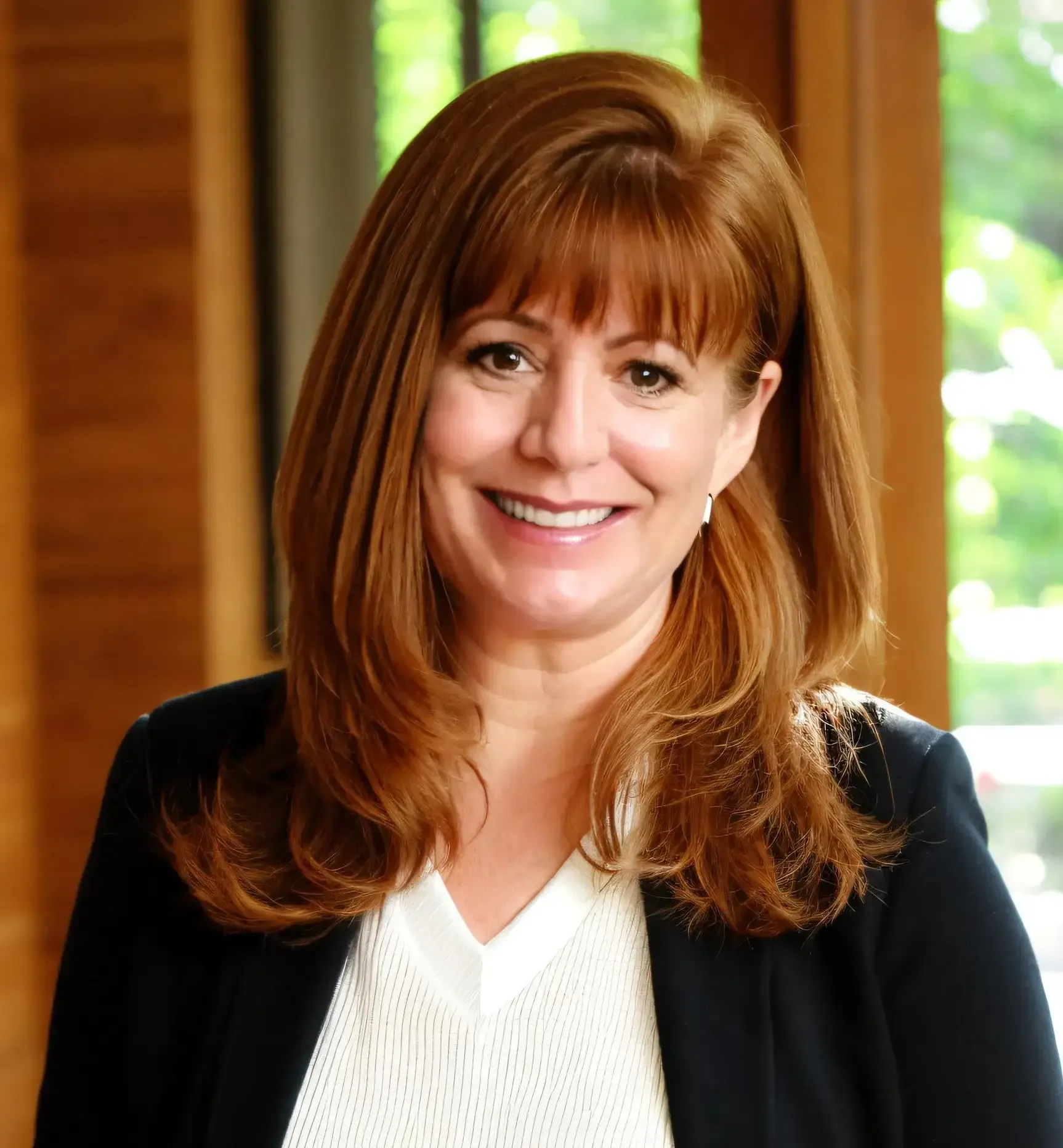
Heather Totten

Sydney Shaevel

Ariel Rhodus

Emilee Johnsen

Myesha Reynolds

Michelle Stroffolino

Brittany Plut
Eastside, Westside, and everywhere in between.
Seven offices across Los Angeles, plus secure online therapy anywhere in California.
When the household felt safe again.
Brooke has the true gift of insight and compassion — getting straight to the heart of your blind spots in a way that’s truly changed my life.
I felt very seen, understood, and supported — Brooke went right to the source of the issue while staying so gentle and kind.
I’d been in therapy on and off for 20 years. Brooke did more in one session than years of work with my previous therapist.
Don’t wait it out. The ripples get wider.
One conversation is all it takes to know whether we’re the right fit.
Find my therapist →Before you reach out.
Still deciding? The free 30-minute consult exists for exactly this — no charge, no commitment.
▸ What ages is CPP for?
Generally children between 0 and 5 who have undergone trauma, or who are experiencing PTSD, attention deficit disorders, or depression and anxiety. For older children and teens, see child and teen therapy.
▸ My child didn’t witness it directly — are they still affected?
Very possibly. A young child may not cognitively understand a traumatic event, but children are greatly affected by their surroundings. Exposure to domestic violence, abuse or emotional violence can trigger traumatic responses, and it is important to get help quickly.
▸ Does the parent attend every session?
Most of them, yes. CPP is relationship-based, and the majority of sessions include both the child and the parent or caregiver — that is how the attachment relationship gets repaired.
▸ What does a session look like?
It is play-based, and structured around the type of trauma and your child’s developmental stage, so that communication between child and caregiver happens in a form the child can actually use.
▸ Can we do this online?
Yes. We offer secure video sessions anywhere in California. Most of child-parent psychotherapy translates directly to video; where a part of it genuinely works better in the room, your therapist will tell you rather than pretend otherwise.
▸ How long does child-parent psychotherapy usually take?
It depends on how long the pattern has been running and what sits underneath it. It is not open-ended, though — your therapist will give you a realistic picture after the first session or two rather than a number up front.