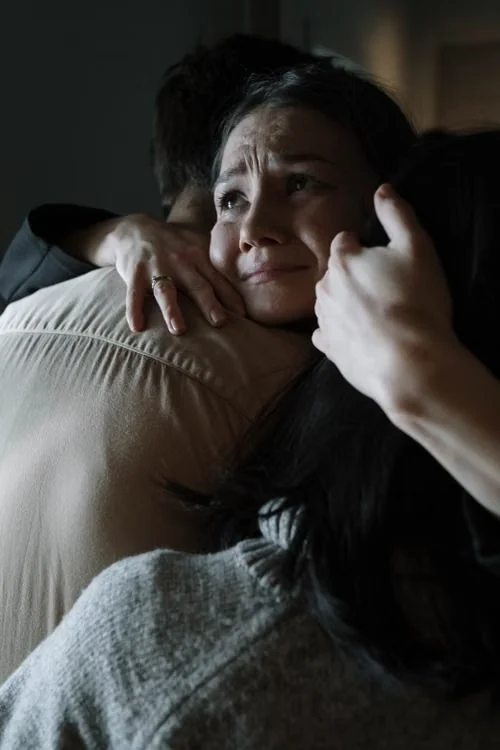

Physical and sexual abuse
Abuse that happened to your body, recently or in early childhood, can change how safe you feel in it.
- – Process the memories at a pace you choose
- – Ease shame and self-blame
- – Rebuild a sense of safety

“Trauma is not what happens to you. It is what happens inside you as a result of what happens to you.”
Our founder, Brooke Sprowl, LCSW, has 20 years in clinical practice. Her signature approach, Nervous System-Based Therapy, works at an unconscious level to shift the patterns running the show beneath the surface.
Using TF-CBT and moving at a pace that is comfortable for you, we will create a safe place for you to process your trauma so that it no longer rules your life.
If trauma is left untreated, it can lead to anger, guilt, self-harm, acting out, mental health issues, and feelings of powerlessness.
PTSD can manifest in behaviors such as emotional numbness, concentration problems, sleep issues, and emotional and physical pain.
Trying to take on this burden by yourself may seem nearly impossible, but that’s where we come in. We’re experienced in trauma and ready to help.
Trauma can include physical, sexual, mental or emotional abuse, exposure to violence in the home, or losing a loved one.
Abuse that happened to your body, recently or in early childhood, can change how safe you feel in it.
Harder to point to than a bruise, and just as real. Mental and emotional abuse can quietly shape how you see yourself.
Exposure to violence in the home is trauma too, even when you were not the one being hurt.
Losing someone you love, especially suddenly or early in life, can be traumatic as well as heartbreaking.
When trauma stays lodged in the body and mind, it can keep showing up long after the event itself.
Trauma can bring depression, anxiety, or an eating disorder along with it, which makes healing harder to picture.
Trauma-Focused CBT has been proven particularly effective in the treatment of children and adolescents that have experienced trauma.
This approach uses trauma-sensitive interventions, combined with cognitive-behavioral, family, and humanistic principles to help you heal.
We teach children and parents techniques to help process thoughts and feelings related to the negative event, and we help you enhance safety skills, increase family communication, and resolve distressing thoughts.
Parents learn the same tools as their children, so safety skills and family communication keep growing at home, not only in session.
Therapy can successfully improve your life by helping you identify and change underlying thought and behavioral patterns that contribute to your struggles, and providing you with strategies to decrease discomfort while restoring an overall sense of peace.
Our evidence-based, scientifically proven interventions are demonstrated by research to be effective in addressing a wide range of mental health issues.
TF-CBT is rarely used alone. Our therapists draw from experiential, cognitive-behavioral, mindfulness and psychodynamic therapies — evidence-based interventions demonstrated by research to be effective.
 Notice the thought, test it, rebuild the pattern.
Identify the distortion, hold it against the evidence, and practice a more balanced response until it sticks.
 Watch the thought without obeying it.
Mindfulness skills folded into CBT, so you can notice a distortion arise without being swept into it.
 Insight you can feel, not just think.
Work that engages emotion and the body in the room, so the shift lands below the level of insight.
 Where the belief came from in the first place.
Trace the belief to its origin, so the work addresses the root and not just the surface.
 Settle the body so the new thought can hold.
Our founder’s signature approach: regulate the fight-or-flight response in real time, so the skills are usable when it counts.
Plenty of therapists list TF-CBT. The difference is judgment — knowing when it is the right move and when the work belongs somewhere deeper. Every therapist on our roster is personally vetted and trained by our founder, Brooke Sprowl, LCSW, with 20 years in clinical practice — so your care is tailored to you rather than run off a protocol. Our team is highly trained and clinically skilled — and, more importantly, open, warm, and authentic. We’re humans too; we’ve been through our own struggles, and that is what equips us to help you navigate yours.
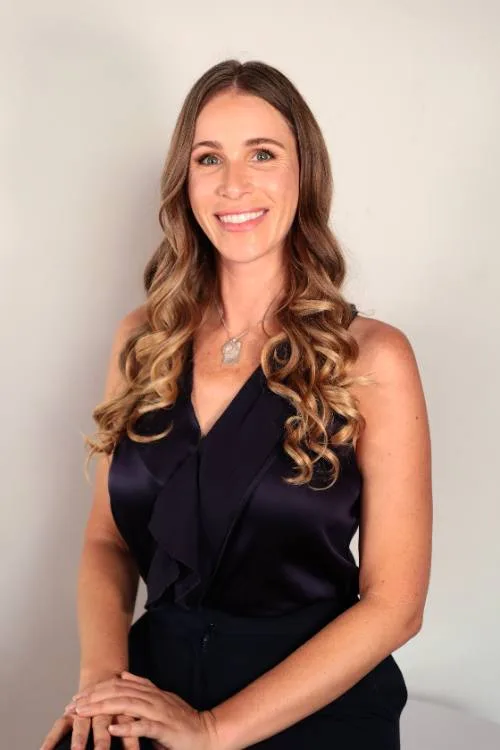
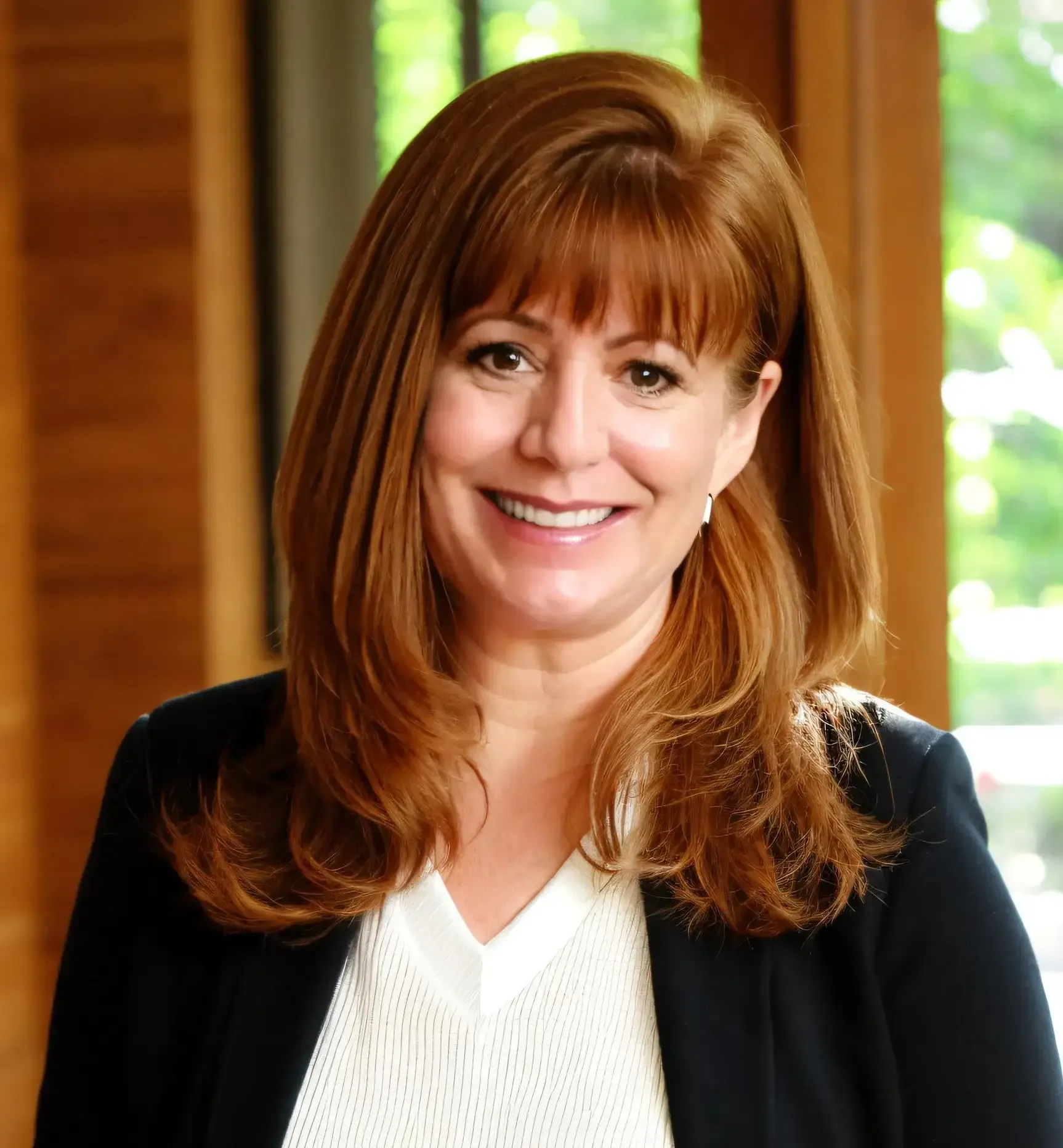



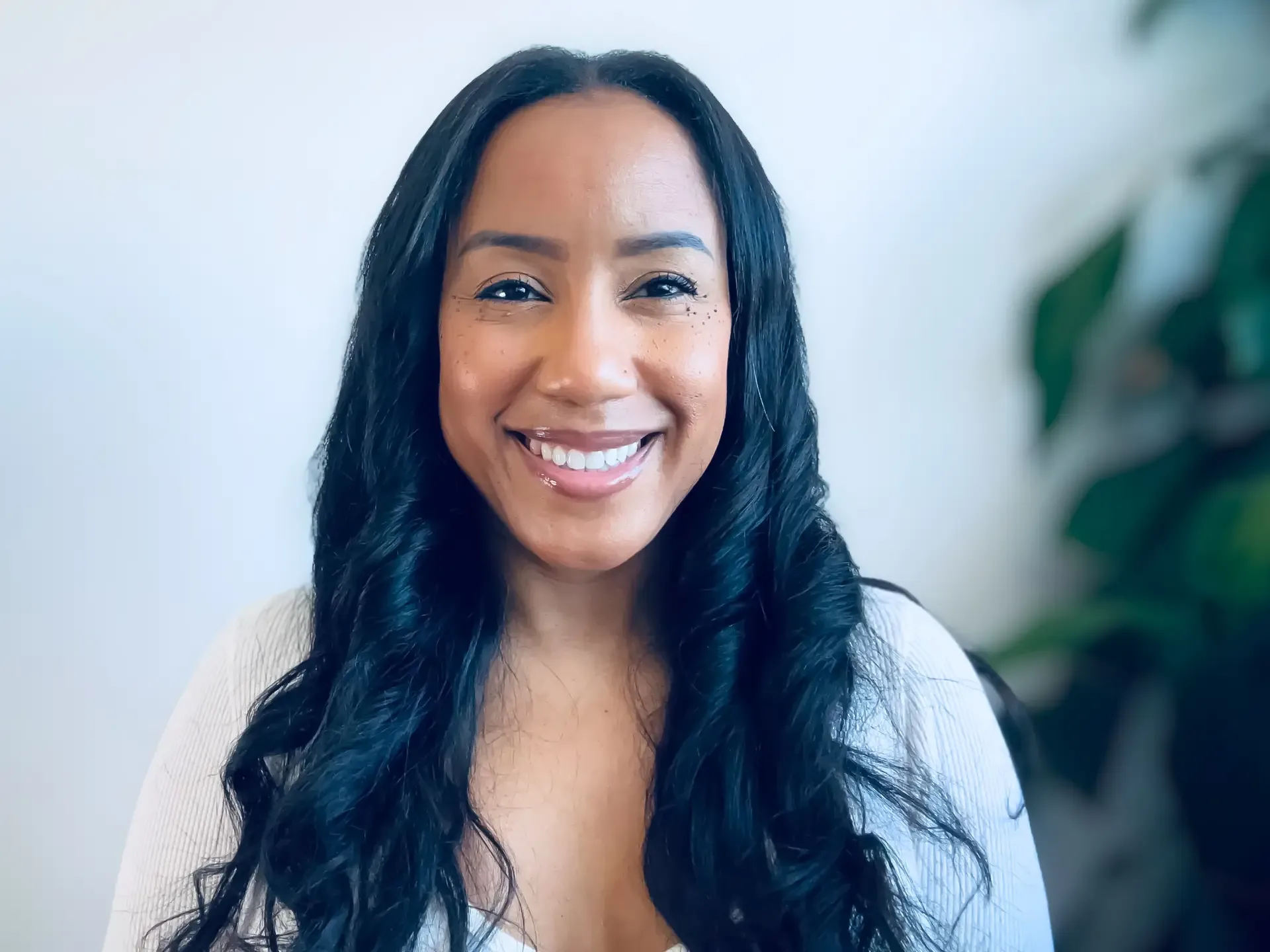

Seven offices across Los Angeles, plus secure online therapy anywhere in California.
Brooke has the true gift of insight and compassion — getting straight to the heart of your blind spots in a way that’s truly changed my life.
I felt very seen, understood, and supported — Brooke went right to the source of the issue while staying so gentle and kind.
I’d been in therapy on and off for 20 years. Brooke did more in one session than years of work with my previous therapist.
One conversation is all it takes to know whether we’re the right fit.
Find my therapist →Still deciding? The free 30-minute consult exists for exactly this — no charge, no commitment.
No. It addresses the needs of adolescents, children, families and adult survivors alike. It has simply been shown to be particularly effective with children and adolescents, which is why it is so often recommended for them.
We move at a pace that is comfortable for you, and the work is building a safe place to process what happened, not forcing you back into it. Your therapist will not push you faster than you are ready to go.
It can lead to anger, guilt, self-harm, acting out, mental health problems and feelings of powerlessness. PTSD can manifest as emotional numbness, concentration problems, sleep issues, and emotional and physical pain.
With children and teens, yes. We teach both children and parents techniques for processing what happened, and work on safety skills and family communication together through family therapy and child and teen therapy.
Yes. We offer secure video sessions anywhere in California. Most of TF-CBT translates directly to video; where a part of it genuinely works better in the room, your therapist will tell you rather than pretend otherwise.
It depends on how long the pattern has been running and what sits underneath it. It is not open-ended, though. Your therapist will give you a realistic picture after the first session or two rather than a number up front.
Get to know us at your own pace, or skip the research and let us match you.
Find My Therapist →