
“The ultimate test of a relationship is to disagree but hold hands.”
Diving deeper into the Gottman Method.
Our founder, Brooke Sprowl, LCSW, has 20 years in clinical practice. Her signature approach, Nervous System-Based Therapy, works at an unconscious level to shift the patterns running the show beneath the surface.
- ✓ Map how well each of you actually knows the other, and fill in the gaps
- ✓ Separate the perpetual problems from the solvable ones, and treat each differently
- ✓ Replace contempt with expressed fondness and admiration
- ✓ Make conflict functional, so disagreement stops meaning something has gone wrong
Nine principles, built on the research.
This method was created by Dr. John and Dr. Julie Gottman, and focuses on nine foundational components that are needed to build a healthy relationship.
According to the Gottman Institute’s research, these foundational principles are showcased, supported and strengthened in session with a Gottman-trained therapist. They build on one another rather than standing alone.
One distinction matters more than any other here: the work is managing conflict, not resolving it. That reframes conflict as natural and as an opportunity for growth, rather than a sign of decline, and it lets the discussion become functional and growth-centered.
The Gottman Method is one of several methods we use in couples therapy, alongside the Imago Method and Emotionally Focused Couples Therapy. Your therapist will draw on whichever best fits the two of you.
Love maps to commitment, in nine parts.
The Gottman Institute’s research names nine foundations of a healthy relationship. Here’s a breakdown of each one, and how it shows up in your relationship.
Building love maps
This is a technique to figure out how well you understand your partner.
Through love maps, you can find out how in touch you are with your partner’s background and history, as well as their worries, stressors and the things that bring them joy.
Fondness and admiration
Sharing fondness and admiration is done by showing each other respect and appreciating each other.
Expressing that respect and appreciation builds genuine closeness and reduces contempt.
Turning towards, not away
Turning towards each other instead of away is vital in communication: tell your partner what you need, and allow them into your life instead of blocking them out.
The positive perspective
Whenever you’re trying to solve problems, have a positive approach.
Approaching a problem this way invites growth and an openness to more than one solution.
Managing conflict
You need to understand that conflict is normal, and that each person has their own way of dealing with it.
Treating conflict as natural, and as an opportunity, keeps the discussion functional. Part of the work is learning the difference between perpetual problems and solvable ones, and how to approach each.
Making life dreams come true
This can be done by encouraging each other’s hopes and dreams.
It means creating an environment where each of you can share your hopes, dreams and values openly.
Creating shared meaning
This is done by understanding the important goals and roadblocks you might have in your relationship, and the underlying stories at the center of it.
Trust
This is extremely important. Trust is when you know you can rely on your partner, and when you know they will stand up for you and be there for you all the time.
It means knowing your partner will center your wellbeing in how they think and act.
Commitment
This is also vital: staying committed to your partner is important to ensure a long-lasting and fulfilling relationship.
Commitment is what makes all of the rest durable.
This is a technique to figure out how well you understand your partner.
Through love maps, you can find out how in touch you are with your partner’s background and history, as well as their worries, stressors and the things that bring them joy.
Sharing fondness and admiration is done by showing each other respect and appreciating each other.
Expressing that respect and appreciation builds genuine closeness and reduces contempt.
Turning towards each other instead of away is vital in communication: tell your partner what you need, and allow them into your life instead of blocking them out.
Whenever you’re trying to solve problems, have a positive approach.
Approaching a problem this way invites growth and an openness to more than one solution.
You need to understand that conflict is normal, and that each person has their own way of dealing with it.
Treating conflict as natural, and as an opportunity, keeps the discussion functional. Part of the work is learning the difference between perpetual problems and solvable ones, and how to approach each.
This can be done by encouraging each other’s hopes and dreams.
It means creating an environment where each of you can share your hopes, dreams and values openly.
This is done by understanding the important goals and roadblocks you might have in your relationship, and the underlying stories at the center of it.
This is extremely important. Trust is when you know you can rely on your partner, and when you know they will stand up for you and be there for you all the time.
It means knowing your partner will center your wellbeing in how they think and act.
This is also vital: staying committed to your partner is important to ensure a long-lasting and fulfilling relationship.
Commitment is what makes all of the rest durable.
Research-based methods, combined for you.
Gottman Method is rarely used alone. Our therapists draw from experiential, cognitive-behavioral, mindfulness and psychodynamic therapies — evidence-based interventions demonstrated by research to be effective.
 Notice the thought, test it, rebuild the pattern.
Cognitive Behavioral Therapy (CBT)
Identify the distortion, hold it against the evidence, and practice a more balanced response until it sticks.
 CBT built for the aftermath of trauma.
Trauma-Focused CBT (TF-CBT)
For children, teens, families, and adult survivors — processing what happened at a pace that is comfortable for you.
 Watch the thought without obeying it.
Mindfulness-Based Cognitive Therapy (MBCT)
Mindfulness skills folded into CBT, so you can notice a distortion arise without being swept into it.
 Insight you can feel, not just think.
Experiential Therapy
Work that engages emotion and the body in the room, so the shift lands below the level of insight.
 Where the belief came from in the first place.
Psychodynamic Therapy
Trace the belief to its origin, so the work addresses the root and not just the surface.
 Settle the body so the new thought can hold.
Nervous System-Based Therapy
Our founder’s signature approach: regulate the fight-or-flight response in real time, so the skills are usable when it counts.
Evidence-based, never by the book.
Plenty of therapists list the Gottman Method. The difference is judgment — knowing when it is the right move and when the work belongs somewhere deeper. Every therapist on our roster is personally vetted and trained by our founder, Brooke Sprowl, LCSW, with 20 years in clinical practice — so your care is tailored to you rather than run off a protocol. Our team is highly trained and clinically skilled — and, more importantly, open, warm, and authentic. We’re humans too; we’ve been through our own struggles, and that is what equips us to help you navigate yours.
Forty years of research, in your living room.
Therapists trained in the Gottman Method.
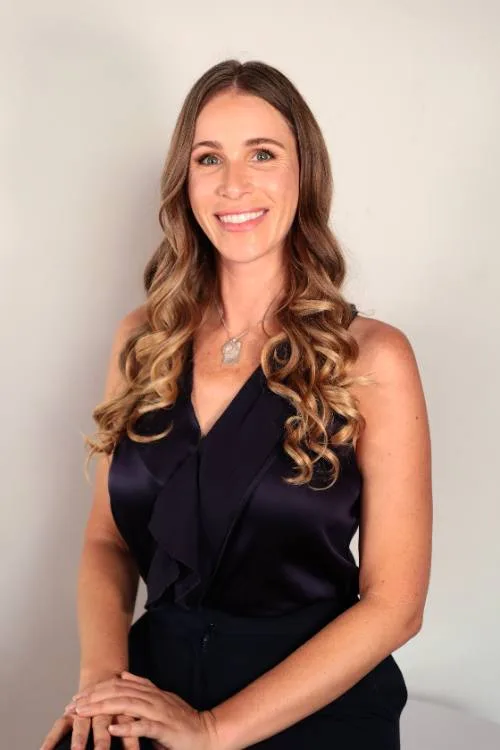
Brooke Sprowl
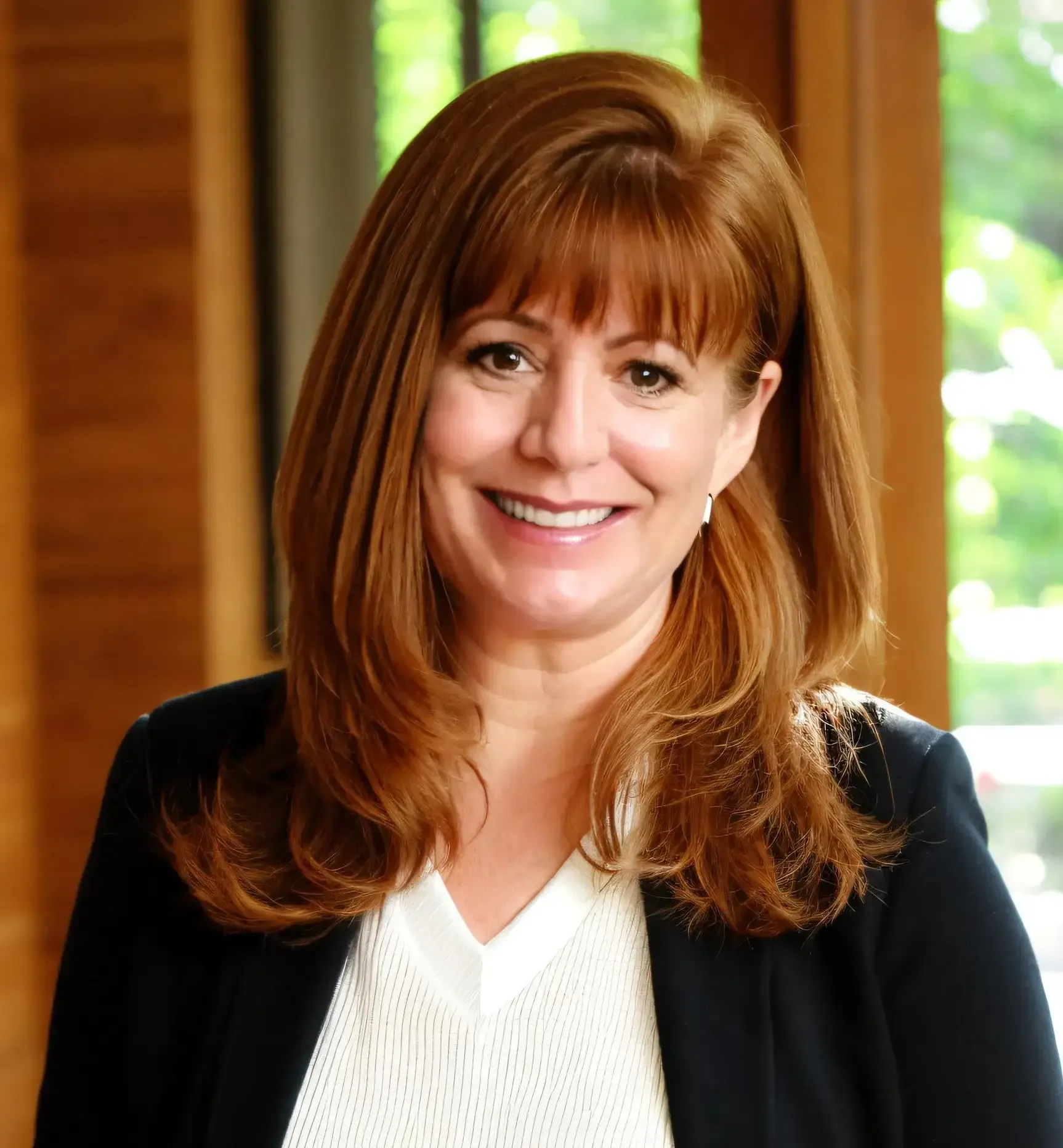
Heather Totten

Sydney Shaevel

Ariel Rhodus

Emilee Johnsen
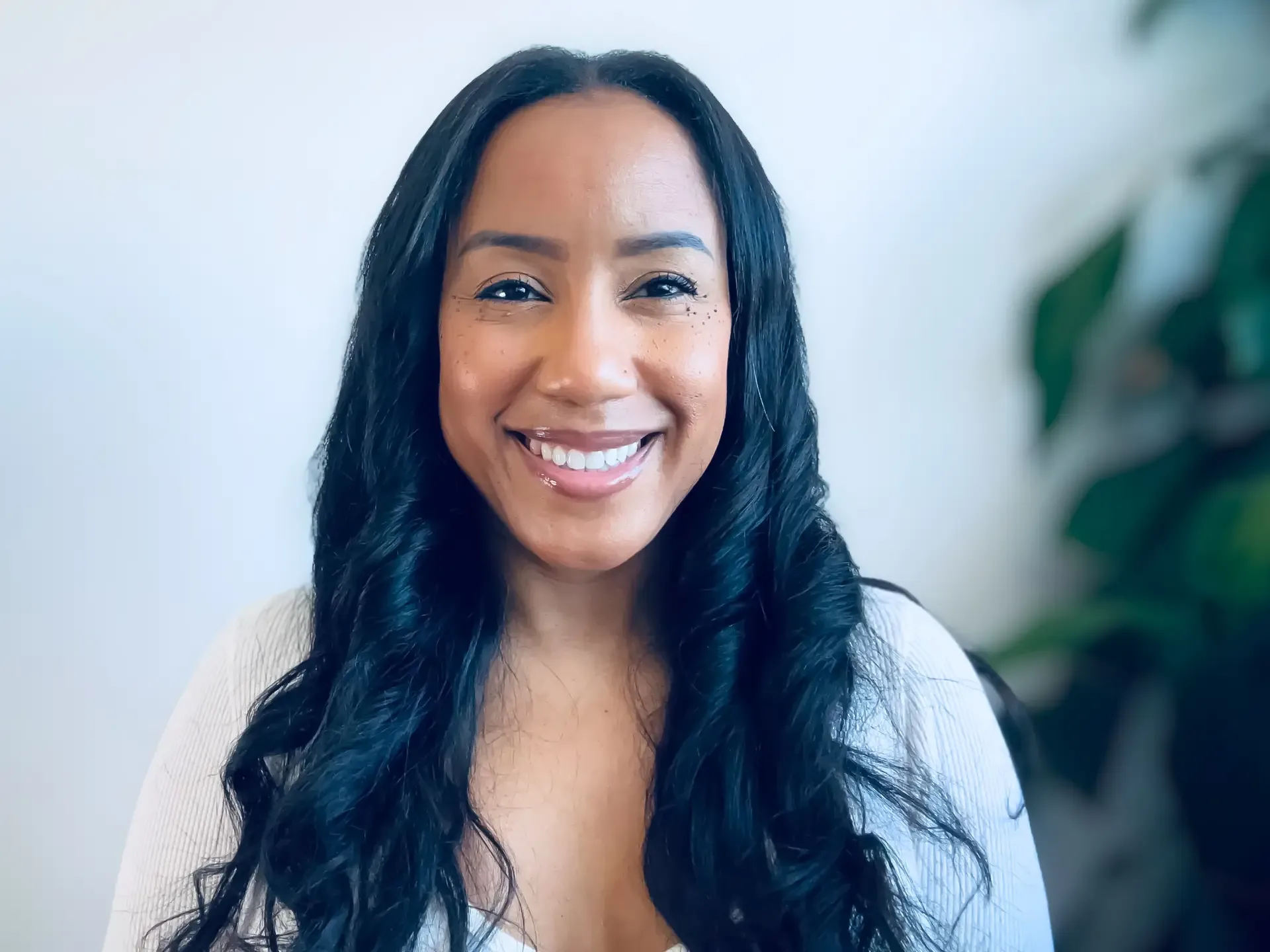
Myesha Reynolds
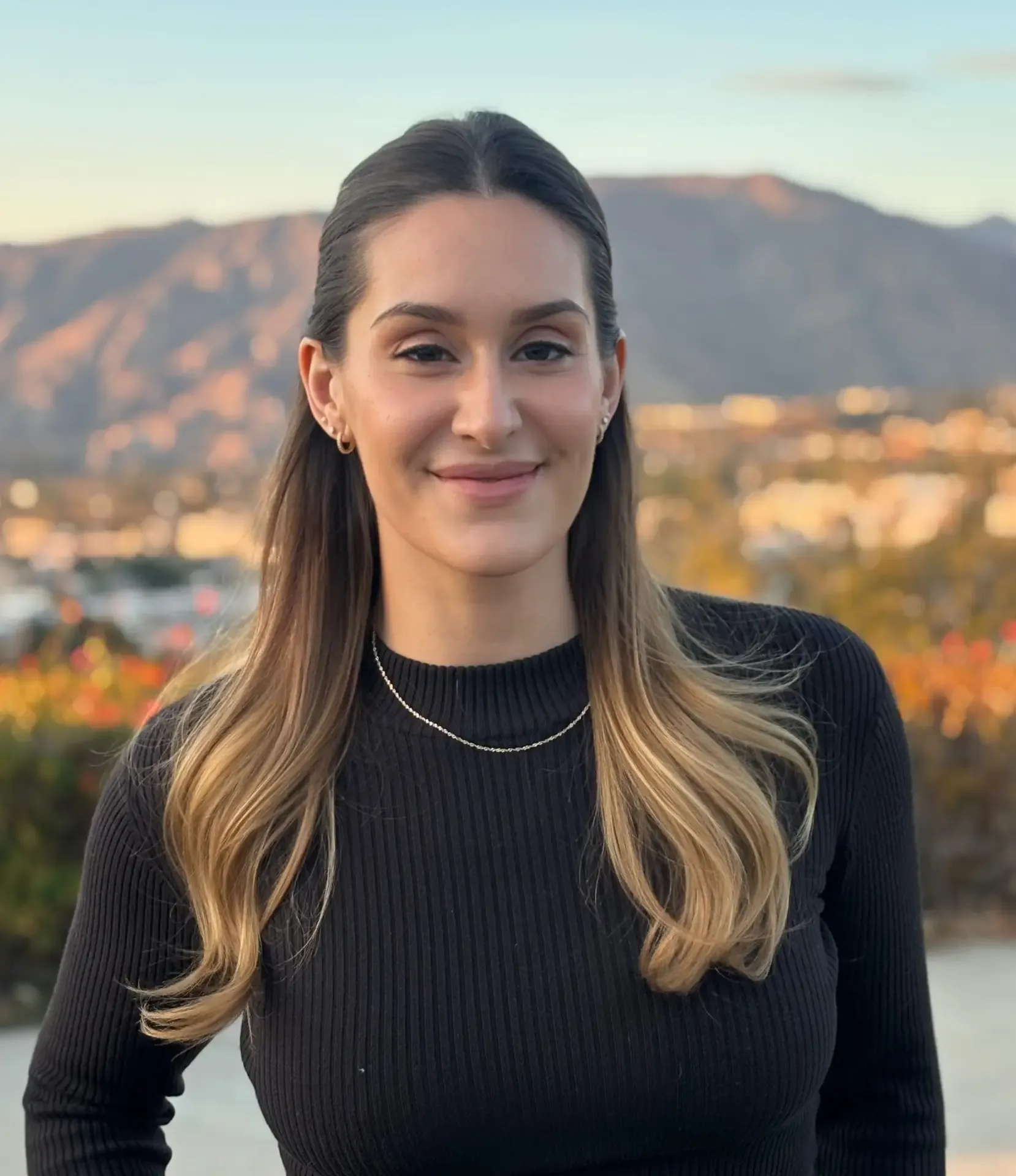
Michelle Stroffolino
Brittany Plut
Eastside, Westside, and everywhere in between.
Seven offices across Los Angeles, plus secure online therapy anywhere in California.
When the same argument finally changed shape.
Brooke has the true gift of insight and compassion — getting straight to the heart of your blind spots in a way that’s truly changed my life.
I felt very seen, understood, and supported — Brooke went right to the source of the issue while staying so gentle and kind.
I’d been in therapy on and off for 20 years. Brooke did more in one session than years of work with my previous therapist.
Conflict isn’t the end. It’s something you can learn to hold.
One conversation is all it takes to know whether we’re the right fit.
Find my therapist →Before you reach out.
Still deciding? The free 30-minute consult exists for exactly this — no charge, no commitment.
▸ What is a “love map”?
A technique for working out how deeply you know and understand your partner — how in touch you are with their background and history, as well as their worries, stressors and the things that bring them joy.
▸ Why “managing” conflict rather than resolving it?
Because the research treats conflict as natural and as an opportunity for growth rather than a sign a relationship is failing. Managing it keeps the discussion functional and growth-centered, and part of the work is telling perpetual problems apart from solvable ones.
▸ How is Gottman different from Imago or EFT?
Gottman is structured around research-derived principles and exercises. Imago works on the childhood image driving partner choice, and EFT works on attachment emotion underneath the conflict. Your therapist will say which fits.
▸ Do both partners need to attend?
For the couples work, yes — the exercises are built around the pair. Individual sessions can supplement it where one partner has their own work to do.
▸ Can we do this online?
Yes. We offer secure video sessions anywhere in California. Most of the Gottman Method translates directly to video; where a part of it genuinely works better in the room, your therapist will tell you rather than pretend otherwise.
▸ How long does the Gottman Method usually take?
It depends on how long the pattern has been running and what sits underneath it. It is not open-ended, though — your therapist will give you a realistic picture after the first session or two rather than a number up front.