
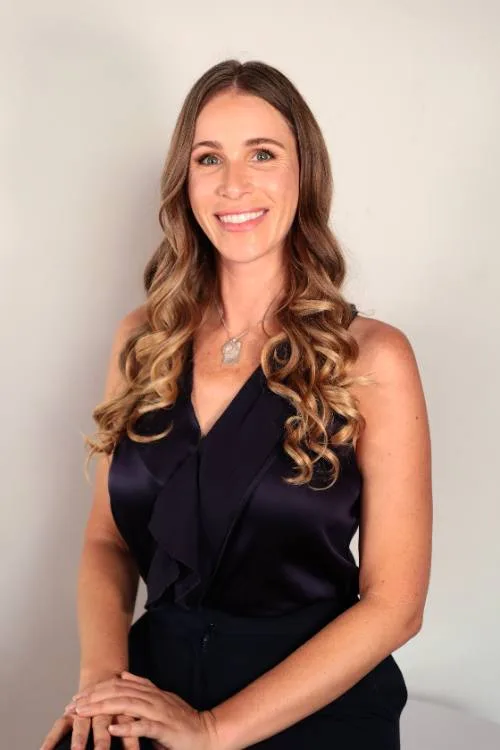
A close view of a woman laughing, curls falling across her face — emotionally focused therapy in Los Angeles
✓ Emotionally focused therapy (EFT) · Los Angeles

EFT, because emotions
tell us what we need.

Emotionally Focused Therapy is a research-based, experiential approach that helps individuals, couples and families strengthen emotional bonds and resolve distressing patterns of interaction. It works with your emotional system — how you experience, express and regulate emotion — to create deeper connection, safety and stability.

When emotional patterns go unresolved — fear of abandonment, chronic conflict, attachment insecurity, deep emotional pain — they show up as anxiety, depression, relationship distress, withdrawal or reactivity. EFT helps you identify and reprocess those responses at their core.

EFT helps: chronic conflictemotional distancefear of abandonmentwithdrawalreactivity
From the founder of My LA Therapy

Diving deeper into EFT.

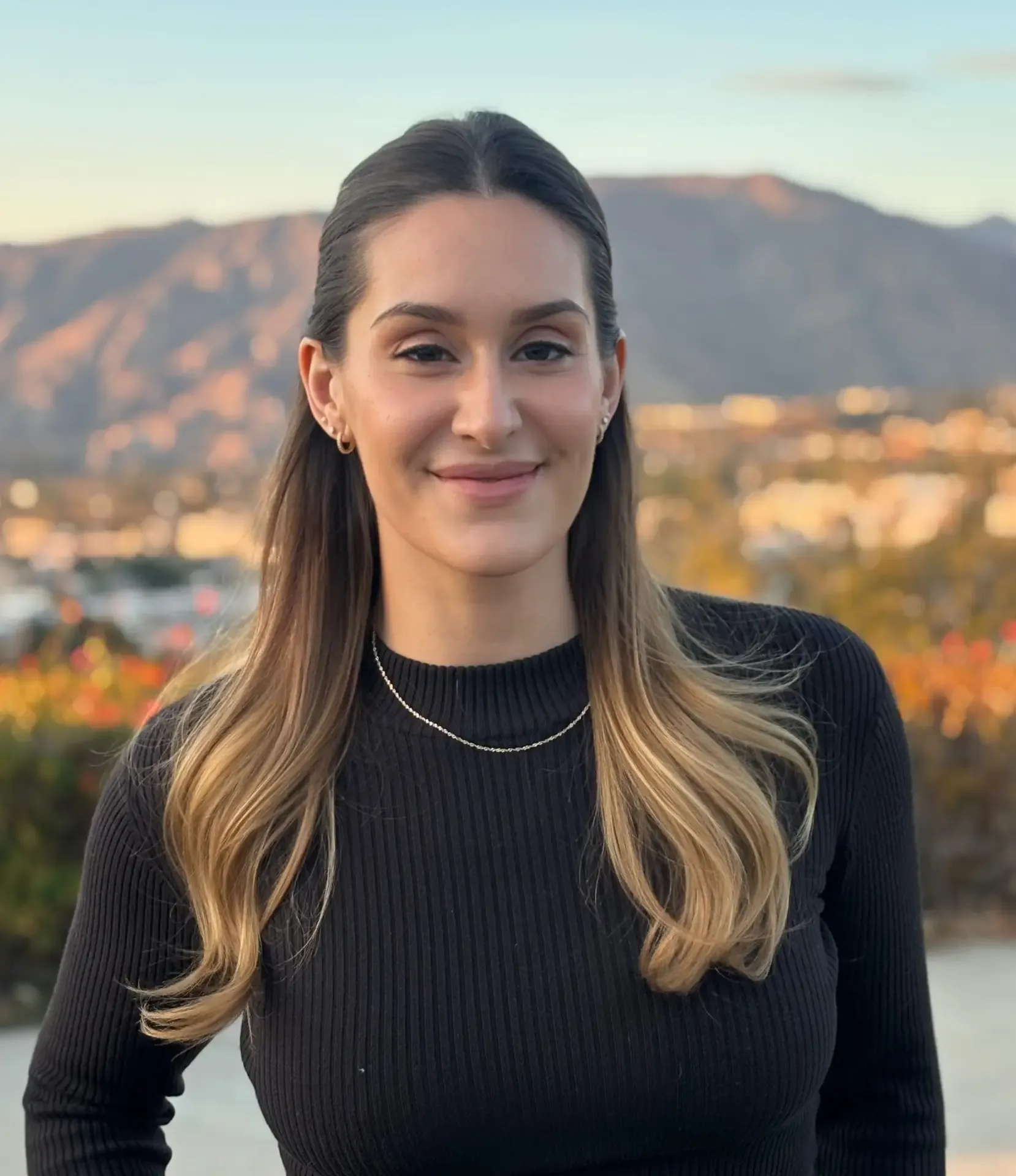
Our founder, Brooke Sprowl, LCSW, has 20 years in clinical practice. Her signature approach, Nervous System-Based Therapy, works at an unconscious level to shift the patterns running the show beneath the surface.

Brooke Sprowl, LCSW, founder of My LA Therapy
Brooke Sprowl, LCSW
Founder & Clinical Director
20 years in practice
More from Brooke
The subtle mistake that can push your partner away
The hidden reason couples stay stuck in the same fight
The biggest reason couples spiral in communication
Together we will:
  • ✓ Work with the emotion underneath the behavior, not the behavior alone
  • ✓ Notice feelings as they unfold in the room, where they can actually shift
  • ✓ Create a secure base, the emotional safety that makes exploration possible
  • ✓ Move out of blame and withdrawal, toward reaching and responding
What makes EFT different

Emotion as a guide, not an obstacle.

EFT stands apart because it doesn’t emphasize quick symptom relief or surface-level communication tricks. It tunes into the deeper emotional experience — the feelings that give rise to what we do and why we do it. EFT therapists are trained to notice emotions as they unfold in the moment and to help you stay with them in a safe, structured environment.

Unlike therapy that primarily targets thoughts or behaviors, EFT treats emotional experience as central. In practice that means creating what attachment science calls a secure base — emotional safety from which exploration and change can happen. Without it, people stay stuck in blame, withdrawal and defensiveness.

It is also deeply relational. EFT was originally built to strengthen emotional bonds between partners, moving couples from distress and disconnection toward recovery and closeness. Over decades of research it has been adapted for individual therapy and family systems too — always on the same assumption, that secure connection is fundamental to wellbeing.

The three phases

A structured arc, followed flexibly.

The EFT process unfolds in three phases that mirror the emotional movement of the people in the room. It is structured, but never mechanical.

De-escalation

Identifying the pattern that keeps you stuck. Couples arguing about the same thing on repeat; an individual meeting the same wall alone.

  • – Map the cycle you fall into, step by step
  • – See the cycle, not each other, as the problem
  • – Name the feelings underneath the blame or withdrawal

New emotional experience

Once the old cycle is seen clearly and without blame, space opens for something different: expressing the need underneath, not only the complaint.

  • ✓ Put words to the fear or hurt behind the reaction
  • ✓ Ask for what you need, directly
  • ✓ Respond to your partner’s need instead of defending

Consolidation

The new way of reaching and responding is practised until it is the one that comes first under pressure.

  • Bring the new pattern to old sticking points
  • Find fresh solutions from a place of connection
  • Make the change last beyond the therapy room

A secure base

Across all three, attachment science’s secure base: the emotional safety that makes exploration and change possible at all.

  • + Feel safe enough to be open with each other
  • + Turn toward each other under stress
  • + Trust that your needs will be heard
Emotionally focused couples therapy

A secure bond, built between you.

In couples therapy, Emotionally Focused Therapy focuses on the importance of emotions and social connections. It is one of the methods we use with couples, alongside the Gottman Method and Imago Relationship Therapy.

Emotion-Focused therapy has been proven to be extremely effective with many different types of couples, across different ethnicities and locations around the world.

It has also been proven to be effective with couples facing anxiety due to trauma, depression, or chronic illness.

EFT for couples aims to:
  • ✓ Establish a secure bond between you and your partner
  • ✓ Shift the interactions between you in a positive direction
  • ✓ Help you understand and organize your emotional responses
Our therapy methods

Research-based methods, combined for you.

EFT is rarely used alone. Our therapists draw from experiential, cognitive-behavioral, mindfulness and psychodynamic therapies — evidence-based interventions demonstrated by research to be effective.

Why our EFT therapists

Evidence-based, never by the book.

Plenty of therapists list EFT. The difference is judgment — knowing when it is the right move and when the work belongs somewhere deeper. Every therapist on our roster is personally vetted and trained by our founder, Brooke Sprowl, LCSW, with 20 years in clinical practice — so your care is tailored to you rather than run off a protocol. Our team is highly trained and clinically skilled — and, more importantly, open, warm, and authentic. We’re humans too; we’ve been through our own struggles, and that is what equips us to help you navigate yours.

✓Personally vetted by Brooke Sprowl, LCSW
Status quo vs. My LA Therapy

Measurable, and it lasts.

Status quo
The My LA Therapy way
Status quo
✕Short-term relief that fades once sessions end and the old pattern quietly returns.
The My LA Therapy way
✓Long-term follow-up studies show EFT’s gains endure well beyond the end of therapy.
Status quo
✕A therapist who mostly listens while the same fight plays out again in the room.
The My LA Therapy way
✓Therapists who actively guide emotional engagement rather than only listening.
Status quo
✕An approach that only fits one format, so the work stalls when your needs change.
The My LA Therapy way
✓Used with individuals, couples and families alike.
Status quo
✕Communication scripts handed over with little curiosity about the people using them.
The My LA Therapy way
✓Warm, experienced therapists committed to compassionate, client-centered care.
The standard we hold
Twenty years of clinical experience
behind every match.
★ 4.9average rating
100%match guarantee
Hand-matched, on us

Stop searching. We'll do it for you.

Tell us what's going on and we'll hand-select the right therapist for you.

1
You share what's going on
A few details — that's this form.
2
We hand-match you
Our therapist matching specialist personally matches you, usually the same day.
3
You meet, and decide
Love your therapist or get a full refund on your first session.
★★★★★
"I was in therapy on and off for 20 years. Brooke did more in one session than years of work with my previous therapists."

Let's find you the right therapist.

✓Every therapist vetted by Brooke Sprowl, LCSW · 20 years in practice
How can we help? *
Choose any that apply.
Which locations are most convenient for you?
More locations = more options
Free & confidential · Love your therapist — or your money back
★★★★★
"I was in therapy on and off for 20 years. Brooke did more in one session than years of work with my previous therapists."
Your team

Therapists trained in EFT.

Meet the whole team →
Where we work

Eastside, Westside, and everywhere in between.

Seven offices across Los Angeles, plus secure online therapy anywhere in California.

West LABeverly HillsEncinoStudio CityEcho ParkPasadenaSanta Monica All locations
7 LA offices
Client reviews

When the connection came back.

★★★★★4.9 average · verified client reviews
★★★★★
Brooke has the true gift of insight and compassion — getting straight to the heart of your blind spots in a way that’s truly changed my life.
★★★★★
I felt very seen, understood, and supported — Brooke went right to the source of the issue while staying so gentle and kind.
★★★★★
I’d been in therapy on and off for 20 years. Brooke did more in one session than years of work with my previous therapist.

Go past the surface. Let’s work at the emotional core.

One conversation is all it takes to know whether we’re the right fit.

Find my therapist →
Common questions

Before you reach out.

Still deciding? The free 30-minute consult exists for exactly this — no charge, no commitment.

▸ Is EFT only for couples?

No. It was originally conceptualized for couples, and over decades of research and practice it has been adapted successfully for individual therapy and family systems — always on the same core assumption, that secure connection is fundamental to wellbeing.

▸ How is EFT different from communication coaching?

Communication coaching works on skills and scripts. EFT works on the emotional experience underneath them — the fear, hurt or unmet need driving the pattern. Many people come to EFT after skills-based work did not produce the change they were hoping for.

▸ Do the results last?

Long-term follow-up studies show that the changes achieved through EFT endure well after therapy ends, with people reporting greater emotional awareness, better communication and reduced distress years later.

▸ What is a “secure base”?

A term from attachment science for the emotional safety that makes exploration and change possible. Building one is among the first things EFT does, because without it people stay in blame, withdrawal or defensiveness.

▸ Can we do this online?

Yes. We offer secure video sessions anywhere in California. Most of EFT translates directly to video; where a part of it genuinely works better in the room, your therapist will tell you rather than pretend otherwise.

▸ How long does EFT usually take?

It depends on how long the pattern has been running and what sits underneath it. It is not open-ended, though — your therapist will give you a realistic picture after the first session or two rather than a number up front.