A woman in a white dress crossing a sunlit floor, her long shadow stretching behind her — psychoanalysis and psychoanalytic therapy in Los Angeles
✓ Psychoanalytic therapy · Los Angeles

Psychoanalytic therapy goes past
the symptom to what’s underneath.

Psychoanalysis is the study of unconscious motivations behind our daily behavior, thoughts, and beliefs. This method of therapy examines how our life experiences have been internalized and have shaped our attitudes about ourselves, those around us, and the decisions we make.

By uncovering our underlying motivations through self-reflection, we can begin to identify our experiences and develop a more meaningful and empowered approach to our daily lives.

Psychoanalysis helps: relationship patternsself-destructive behaviorpanic and stresschildhood wounds
The premise
“The ego is not master in its own house.”
— Sigmund Freud
From the founder of My LA Therapy

Diving deeper into psychoanalytic therapy.

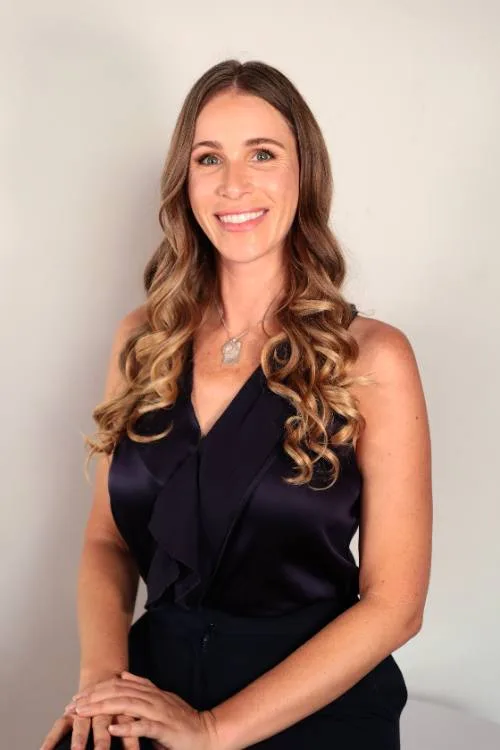
Our founder, Brooke Sprowl, LCSW, has 20 years in clinical practice. Her signature approach, Nervous System-Based Therapy, works at an unconscious level to shift the patterns running the show beneath the surface.

Brooke Sprowl, LCSW, founder of My LA Therapy
Brooke Sprowl, LCSW
Founder & Clinical Director
20 years in practice
More from Brooke
What’s causing your depression?
Together we will:
  • ✓ Trace the unconscious motivations sitting underneath the behavior, thought and belief
  • ✓ Find where an experience was internalized and became an attitude about yourself
  • ✓ Name the repetitive relational patterns that keep the same difficulty returning
  • ✓ Build enough awareness to choose differently at the moment of the decision
How psychoanalysis works

Why the same patterns
keep turning up.

Psychoanalysis focuses on the psychological causes of our emotional suffering, and the repressed root events that have molded us subconsciously over the years.

Psychoanalytic therapy is effective for a wide range of mental health struggles, including anxiety, panic and stress disorders, self-destructive behavior patterns, personality disorders, depression, and even some physical conditions.

It can illuminate why we struggle in relationships by looking at repetitive patterns and beliefs that underpin these behaviors from childhood memories and/or trauma.

Psychoanalysis is a way of developing deeper awareness that enables us to make new and different choices when we are faced with difficult decisions rather than repeating the same old patterns that keep us stuck.

Our trained therapists will work with you to figure out the problematic relational and social patterns that may be negatively affecting your relationships with others.

Through psychoanalysis, we will help you transform your negative patterns and discover greater freedom, peace, and empowerment.

Root causes, not superficial symptoms

Slower than a quick fix,
and deeper for it.

One study reported that 77% of patients reported improvement in their quality of life, interpersonal problems, wellbeing, and mental health after participating in psychoanalytic therapy.

Sounds too good to be true, right?

Psychoanalysis can be a longer process than a behavioral approach as it seeks to understand the motivations that underlie our behaviors — going beyond the superficial symptoms and focusing on the root causes.

This helps to shape our attitudes toward the present and future, and integrate this new way of being into our daily lives, creating a greater sense of hope, peace, and fulfillment.

Whatever issues you struggle with, we are prepared to help you get to the underlying roots of your struggles and begin to transform the destructive, unconscious patterns that are keeping you stuck.

Our therapists are trained in the latest forms of psychoanalysis and will be able to apply the most cutting-edge methods to your unique situation.

Psychoanalytic techniques

Four routes
to what is underneath.

Psychoanalysis uses many helpful techniques. These are the main ways we get at the unconscious motivations behind your daily behavior, thoughts, and beliefs.

Free association

One of them is known as free association. How does it work? Your therapist will say a word and you will say whatever first comes to mind.

  • – Although the words may seem random to you, our therapists are trained in uncovering patterns behind the words that you choose.
  • – Your words can show underlying thoughts and behaviors that you are not consciously aware of.

Dream analysis

Dream analysis also taps into repressed symbols and thoughts that may take root in our unconscious and affect us without knowing it!

  • ✓ Dreams are understood as communication between the unconscious and conscious mind.
  • ✓ A symbol has no fixed meaning: it can only be understood in the context of your life.

Transference

Transference is yet another tool that examines the relationships during your childhood and links together how they translate to your adult relationships.

  • For example, how your parents treated you as a child can have a significant impact on your current relationships.
  • Ever hear of the common phenomenon of people choosing a partner that is similar to their parent? Well, that’s exactly how transference comes into play.

Repressed feelings

Our therapists are also trained to recognize when you get overwhelmed by the release of painful and repressed feelings.

  • + Once you are able to manage your emotions and face them without a filter, you can begin the process of healing.
  • + We will begin to see that the defense mechanisms that may have once worked for us no longer serve us in our daily lives, but hinder us from living the life we really want.
Traditional and modern psychoanalysis

Shaped by culture and family,
worked with in the present.

In our work together, we analyze the ways in which our culture, experiences, and families of origin have helped to shape us, and how this shaping has caused difficulties for us in our current life experiences.

Traditional psychoanalysts may want to see patients multiple times per week and adopt a “blank slate” approach that allows the client and therapist to observe the projections that arise in response to the therapist.

Modern psychoanalysts may use a different format and incorporate other modalities into the treatment or adopt a more open demeanor when approaching clients.

A modern offshoot

Psychodynamic therapy.

Psychodynamic Therapy is a modern offshoot of traditional psychoanalysis that utilizes many of the same principles but with slightly different tools and techniques. See our dedicated Psychodynamic Therapy page to learn more.

Our therapy methods

Go past the symptom,
and the healing lasts.

Therapy can successfully improve your life by helping you minimize your anxiety, identifying and changing underlying thought and behavioral patterns that contribute to your struggles, and providing you with strategies to decrease discomfort while restoring an overall sense of peace.

See the About Therapy page for a deeper look into this process.

Our evidence-based, scientifically proven interventions are demonstrated by research to be effective in addressing a wide range of mental health and relational issues.

Learn more about our other empirically based therapy modalities by visiting our Methods page.

Our therapy methods

Research-based methods,
combined for you.

Psychoanalysis is rarely used alone. Our therapists draw from experiential, cognitive-behavioral, mindfulness and psychodynamic therapies — evidence-based interventions demonstrated by research to be effective.

Why our psychoanalytic therapy therapists

Evidence-based,
never by the book.

Plenty of therapists list psychoanalytic therapy. The difference is judgment — knowing when it is the right move and when the work belongs somewhere deeper. Every therapist on our roster is personally vetted and trained by our founder, Brooke Sprowl, LCSW, with 20 years in clinical practice — so your care is tailored to you rather than run off a protocol. Our team is highly trained and clinically skilled — and, more importantly, open, warm, and authentic. We’re humans too; we’ve been through our own struggles, and that is what equips us to help you navigate yours.

✓Personally vetted by Brooke Sprowl, LCSW
Status quo vs. My LA Therapy

Depth work,
with modern tools.

Status quo
The My LA Therapy way
Status quo
✕One school of analysis applied the same way to everyone, whatever your situation calls for.
The My LA Therapy way
✓Therapists trained in the latest forms of psychoanalysis, applying current methods to your situation.
Status quo
✕Digging into painful memories at full speed, whether or not you’re ready to feel them.
The My LA Therapy way
✓Trained to recognize when the release of repressed feeling becomes overwhelming, and to slow it down.
Status quo
✕Coping tips that quiet the symptom for now while the pattern underneath keeps running.
The My LA Therapy way
✓A focus on root causes rather than symptom management alone.
Status quo
✕A silent, blank-slate stance that can leave you feeling observed rather than helped.
The My LA Therapy way
✓Warm, experienced therapists committed to compassionate, client-centered care.
The standard we hold
Twenty years of clinical experience
behind every match.
★ 4.9average rating
100%match guarantee
Hand-matched, on us

Stop searching. We'll do it for you.

Tell us what's going on and we'll hand-select the right therapist for you.

1
You share what's going on
A few details — that's this form.
2
We hand-match you
Our therapist matching specialist personally matches you, usually the same day.
3
You meet, and decide
Love your therapist or get a full refund on your first session.
★★★★★
"I was in therapy on and off for 20 years. Brooke did more in one session than years of work with my previous therapists."

Let's find you the right therapist.

✓Every therapist vetted by Brooke Sprowl, LCSW · 20 years in practice
How can we help? *
Choose any that apply.
Which locations are most convenient for you?
More locations = more options
Free & confidential · Love your therapist — or your money back
★★★★★
"I was in therapy on and off for 20 years. Brooke did more in one session than years of work with my previous therapists."
Your team

Therapists trained in psychoanalytic therapy.

Meet the whole team →
Where we work

Eastside, Westside, and everywhere in between.

Seven offices across Los Angeles, plus secure online therapy anywhere in California.

West LABeverly HillsEncinoStudio CityEcho ParkPasadenaSanta Monica All locations
7 LA offices
Client reviews

When the pattern finally made sense.

★★★★★4.9 average · verified client reviews
★★★★★
Brooke has the true gift of insight and compassion — getting straight to the heart of your blind spots in a way that’s truly changed my life.
★★★★★
I felt very seen, understood, and supported — Brooke went right to the source of the issue while staying so gentle and kind.
★★★★★
I’d been in therapy on and off for 20 years. Brooke did more in one session than years of work with my previous therapist.

The pattern has a reason. Let’s find it.

One conversation is all it takes to know whether we’re the right fit.

Find my therapist →
Common questions

Before you reach out.

Still deciding? The free 30-minute consult exists for exactly this — no charge, no commitment.

▸ How long does psychoanalytic therapy take?

Longer than a behavioral approach, because it seeks to understand the motivations underlying behavior rather than addressing the symptom alone. The trade-off is that it works on the root rather than the surface.

▸ Do I have to come several times a week?

Traditional psychoanalysts often ask for that, along with a “blank slate” stance that lets both of you observe the projections that arise. Modern analysts commonly use a different format, incorporate other modalities, and take a more open demeanor.

▸ What is transference?

A tool that examines your childhood relationships and links them to your adult ones — for instance, how your parents treated you as a child shaping who you are drawn to now.

▸ How is this different from psychodynamic therapy?

Psychodynamic therapy is a modern offshoot of traditional psychoanalysis. It uses many of the same principles with slightly different tools and techniques, usually in a lighter format.

▸ Can we do this online?

Yes. We offer secure video sessions anywhere in California. Most of psychoanalytic therapy translates directly to video; where a part of it genuinely works better in the room, your therapist will tell you rather than pretend otherwise.

▸ How do I get matched with the right therapist?

Tell us what is going on using the form on this page. Our matching specialist hand-selects a therapist trained in psychoanalytic therapy, usually the same day. The first consult is free, and if the fit is wrong we will move you.