Skip to content
Raising a child in today’s world brings both joy and complexity. Academic pressure, social challenges, emotional struggles, and exposure to stress can overwhelm even the most resilient children. Many parents in Santa Monica are discovering that early emotional support through therapy helps children develop lifelong emotional strength, healthy relationships, and strong coping skills.
Child therapy is not about “fixing” children. It is about helping them understand their emotions, build emotional regulation skills, and develop tools that allow them to thrive socially, academically, and psychologically.
This guide explores how child therapy in Santa Monica works, what parents should know, and the nine proven ways therapy helps children grow and flourish in 2026 and beyond.
What Does a Child Therapist in Santa Monica Do?
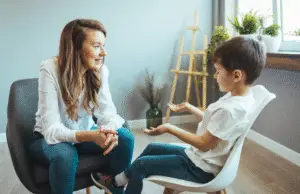
A child therapist is a mental health professional trained to understand children’s emotional, behavioral, and developmental needs. Unlike adult therapy, pediatric therapy is adapted to how children communicate—through play, imagination, movement, and storytelling.
A child therapist may help with:
- Emotional outbursts
- Anxiety and fears
- Attention and focus challenges
- Behavioral struggles
- Trauma recovery
- Social difficulties
- Family conflict
- School-related stress
- Developmental concerns
A child psychologist Santa Monica families work with often collaborates with parents, schools, and pediatricians when necessary. Therapy focuses on helping children feel safe expressing emotions while learning healthy coping strategies.
Child counseling Santa Monica services are designed to meet children where they are developmentally, ensuring therapy feels supportive rather than intimidating
Signs Your Child May Benefit from Therapy
Children often express emotional struggles through behavior rather than words. Therapy may be helpful if a child shows:
- Frequent meltdowns or tantrums
- Withdrawal or social isolation
- Sudden mood changes
- Difficulty sleeping
- Aggression or defiance
- Persistent fears or worries
- Trouble focusing or sitting still
- Regression in behavior
- Difficulty adjusting to change
- Loss of interest in activities
Early emotional support can prevent small struggles from becoming long-term mental health challenges. This is why early intervention therapy is considered one of the most powerful tools for emotional development.
How Play Therapy in Santa Monica Works
Children process emotions differently than adults. Play therapy uses toys, games, art, and imagination to help children communicate feelings they may not yet have words for.
During play therapy sessions, children may:
- Act out real-life situations
- Create stories with figures
- Draw pictures expressing emotions
- Role-play relationships
- Build scenes reflecting experiences
A trained therapist observes themes, emotional patterns, and coping styles. Over time, children learn to name emotions, express themselves safely, and develop emotional regulation skills.
Play therapy also strengthens:
- Self-esteem
- Problem-solving
- Emotional awareness
- Social skills development
- Trust in relationships
This method is widely used in trauma therapy for children, anxiety treatment, and behavioral therapy for kids.
9 Evidence-Based Child Therapy Techniques
1. Cognitive Behavioral Therapy for Children (CBT)
CBT helps children identify negative thought patterns and replace them with healthier ones. It is commonly used in child anxiety treatment and depression.
Children learn:
- How thoughts affect feelings
- How to challenge worries
- How to practice calming techniques
- How to change unhelpful behaviors
CBT works well for anxiety, fears, school stress, and low self-esteem.
2. Play Therapy
Play therapy allows children to process emotions naturally. It is particularly effective for younger children who struggle to verbalize feelings.
It supports:
- Trauma healing
- Emotional safety
- Behavioral expression
- Emotional regulation skills
Through symbolic play, children resolve inner conflicts and build emotional awareness.
3. Parent Support Therapy
Parent involvement strengthens therapeutic outcomes. Parent support therapy helps caregivers learn:
- How to respond to emotional outbursts
- How to reinforce therapy tools at home
- How to reduce power struggles
- How to strengthen attachment
When parents and therapists work together, children feel supported both inside and outside sessions.

4. Behavioral Therapy for Kids
Behavioral therapy focuses on changing disruptive or harmful behaviors through structured reinforcement and skill-building.
It helps children:
- Follow routines
- Improve focus
- Reduce impulsivity
- Learn emotional boundaries
- Build frustration tolerance
This method is widely used in ADHD therapy for children and behavior management programs.
5. Social Skills Development Training
Some children struggle with peer relationships. Therapy can focus on teaching:
- Turn-taking
- Listening skills
- Conflict resolution
- Emotional awareness
- Assertiveness
This is especially helpful for children with social anxiety, ADHD, or developmental delays.
6. Trauma Therapy for Children
Trauma can affect emotional development long after the event passes. Trauma therapy focuses on:
- Emotional safety
- Gradual exposure
- Regulation of fear responses
- Restoring trust
Children learn that past experiences do not define their future. Therapy helps calm the nervous system and rebuild emotional resilience.
For clinical guidance:childhood trauma treatment
7. Art and Expressive Therapy
Some children communicate better visually than verbally. Art therapy allows emotional expression through:
- Drawing
- Painting
- Sculpting
- Creative storytelling
It supports emotional release and insight without requiring advanced language skills.
8. Family Therapy
Family therapy Santa Monica services involve caregivers and children together. It focuses on:
- Communication patterns
- Emotional boundaries
- Conflict resolution
- Parenting strategies
Family systems influence child behavior. When families heal together, children feel more secure and understood.
9. Mindfulness and Regulation Training
Mindfulness-based therapy teaches children to notice emotions without being overwhelmed.
It improves:
- Emotional awareness
- Attention span
- Stress tolerance
- Impulse control
Children learn breathing exercises, body awareness, and calming routines.
For research support:mindfulness for children
Therapy for Children with Anxiety, ADHD, and Behavior Issues
Child Anxiety Treatment
Anxiety often appears as:
- Stomachaches
- Avoidance
- Perfectionism
- Night fears
- School refusal
Therapy helps children:
- Recognize fear triggers
- Build coping tools
- Reduce avoidance
- Increase confidence
ADHD Therapy for Children
ADHD affects attention, impulse control, and emotional regulation. Therapy supports:
- Focus improvement
- Emotional control
- Organization
- Parent-child communication
- Self-esteem
Behavioral therapy and CBT are often combined for ADHD treatment.
Behavioral Therapy for Kids
Children with defiance, aggression, or emotional outbursts benefit from structured therapy that:
- Builds emotional vocabulary
- Teaches self-control
- Reinforces positive behaviors
- Reduces power struggles

Help Your Child Build Emotional Strength
Compassionate Child Therapy in Santa Monica
Every child deserves emotional support that meets them where they are. Our therapists at MY LA Therapy specialize in child counseling Santa Monica families trust to help children manage anxiety, behavior challenges, and emotional struggles. With personalized treatment plans and family involvement, therapy becomes a path toward growth, not just symptom relief.
How to Choose the Right Child Therapist in Santa Monica
Choosing the right therapist matters. Look for:
- Specialized training in pediatric therapy
- Experience with your child’s concerns
- A warm, engaging approach
- Parent collaboration
- Evidence-based methods
A strong therapeutic relationship builds trust and helps children feel safe expressing emotions.
A skilled child psychologist Santa Monica families work with will tailor treatment based on age, personality, and emotional needs.
What to Expect in the First Session
The first therapy session usually includes:
- Parent intake discussion
- Child observation
- Emotional assessment
- Treatment planning
- Explanation of therapy approach
The therapist may ask about:
- Developmental history
- School experiences
- Emotional patterns
- Family environment
The child’s comfort is prioritized. Sessions are structured to feel welcoming and non-threatening.
Long-Term Benefits of Child Therapy
Therapy does more than address immediate problems. It builds lifelong skills such as:
- Emotional regulation
- Healthy communication
- Stress management
- Self-confidence
- Resilience
- Empathy
- Boundary-setting
Children who receive early emotional support often experience improved academic performance and stronger relationships later in life.
Why Early Intervention Matters
Early intervention therapy helps prevent emotional struggles from becoming entrenched patterns. The brain is most adaptable in childhood, making therapy especially powerful.
Benefits include:
- Reduced anxiety
- Better behavior regulation
- Improved attachment
- Healthier coping styles
- Increased emotional intelligence
Therapy provides tools children can carry into adolescence and adulthood.
Final Thoughts
Child therapy in Santa Monica offers children a safe space to understand emotions, build emotional regulation skills, and develop healthy coping strategies. Through play therapy, CBT, behavioral therapy for kids, trauma therapy for children, and family therapy Santa Monica services, children gain confidence and emotional resilience.
Therapy is not a sign of weakness—it is a sign of commitment to a child’s future wellbeing.
With the right guidance, children learn that emotions are not obstacles, but tools for understanding themselves and the world around them.