





Therapy for self-aware people ready to change.
At My LA Therapy, every therapist is rigorously vetted by our founder with 20 years of clinical experience. We hand-select your therapist from our boutique roster, matching you with a specialist who fits your unique needs and preferences. And if your therapist isn't the right fit, your first session is on us.

Vetted by Brooke Sprowl, LCSW
Rate
Locations
Time
Guarantee
“Every obstacle is an invitation into greater liberation.”
Insight alone won't change your life.
We help self-aware people turn hard-won insight into lasting change with practical, research-based tools. We specialize in helping insightful people break free of anxiety, depression, trauma, and unhealthy relationship patterns so they can cultivate newfound presence, aliveness, and connection.
Insight lives in the mind, but the patterns that run our lives operate beneath conscious awareness. That's why our therapists go beyond traditional talk therapy, working at the nervous-system level to move past insight into change that lasts.
The right therapist, matched to you — and backed by a guarantee.
Most therapy companies are run by tech bros. We’re a boutique LA practice run by a therapist with 20 years of experience. We get to know your unique needs and real person hand-selects your therapist personally — never an algorithm.
We don’t just listen. We challenge you.
While most therapists simply listen passively and provide empathy, we take an active role in therapy, recognizing that meaningful change comes from challenging you to think and exist differently. You’ll have someone unmistakably in your corner, offering compassion and honesty in equal measure.
Tangible tools for lasting change.
Our team provides you with practical, research-based tools and actionable advice so you leave each session with something tangible to practice between sessions. Just like a sport or musical instrument, the more you practice these skills, the more you shift a new way of being into muscle memory.
Beyond the intellect.
Our specialized training in Nervous System-Based Therapy focuses on identifying and interrupting unconscious patterns, anxiety, and defenses in real-time. Rather than focusing primarily on the past, we intervene in the moment to shift what's happening in the nervous system here and now.
Love your therapist — or your money back.
We're so confident in our extraordinary therapists we do what no other practice will: we offer a money back guarantee on the first session. If your therapist isn't the right fit, we give you a full refund on the first session, no questions asked, and re-match you for free.
Specialized care for whatever you're carrying.
Whatever brings you here, you'll be matched with a specialist who offers practical, research-based tools that go beyond symptoms and get to the root cause.

Anxiety & OCD
perfectionism · burnout · panic · OCD · overthinking · racing thoughts · restlessness · imposter syndrome · internal pressure · health anxiety

Depression & Mood
low mood · emptiness · numbness · low self-worth · shame · no motivation · heaviness · hopelessness · fatigue · loss of joy

Trauma & C-PTSD
PTSD · childhood wounds · attachment trauma · disorganized attachment · triggers · dissociation · hypervigilance · feeling unsafe

Relationship Issues
people-pleasing · boundaries · codependency · anxious & avoidant attachment · communication · conflict · trust · fear of abandonment
Westside, Eastside, & everywhere in between.







Therapy for every relationship & stage of life.

Individual Therapy
One-on-one and fully focused on you. Anxiety, trauma, self-worth, relationship issues & the patterns you can’t quite shake.

Couples Therapy
Emotional safety, communication, intimacy, & trust. Repair and reconnection for couples ready to do the work.

Child & Family Therapy
Navigating boundaries, parenting, and individual needs, family therapy supports each person and the whole system all at once.

Business Partner Therapy
Communication, conflict, & emotional regulation for co-founders, partners & teams who want to keep building together.
If this is you, you’re our people.
Insightful intellectualizers & overthinkers
Burnt-out perfectionists & overachievers
Anxiously attached people-pleasers
High-functioning trauma survivors
Not all therapists are created equal.
Exceptional therapy requires exceptional humans. We accept less than 1% of therapists who apply, selecting only the rare blend of emotional intelligence, clinical acumen, and wisdom that produces truly life-changing results.

When therapy finally clicked.
You did more in our first session than my last therapist did in a year!
I felt very seen, understood, and supported. Brooke went right to the source of the issue while staying so gentle and kind.
Therapy helped me untangle so much confusion and bring peace to where I once felt fear. I feel free and alive for the first time in a long time.
From the beginning of our session, Brooke knew exactly what tools and questions would work for my particular psychology. No other therapist has been able to do that.
Brooke has the true gift of insight and compassion, getting straight to the heart of your blind spots in a way that’s truly changed my life.
My vivid imagination wants to create terrifying monsters under the bed. In a lot of cases those monsters are nothing more than a heap of laundry that just needs to be aired out.

Why I started My LA Therapy
In my twenties, I woke up every day with a pit in my stomach and a sense of inexplicable dread. I didn't yet have words for the unconscious anxiety and trauma behind my low self-worth, depression, and one unhealthy relationship after another.
Finding the right therapist was long and painful. Over the course of a decade I tried more than two dozen different therapists. Some were rude, some incompetent, and some so passive I might as well have been talking to a wall. Ten years and thousands of dollars later, I felt more lost, hopeless, and broken than when I started.
I started to believe something was fundamentally wrong with me, that I was broken beyond repair. But just as I was on the verge of giving up, I found an extraordinary therapist who helped me see the blind spots that were keeping me stuck. And finally my self-worth, anxiety, and relationships began to transform.
It's now my life's mission to spare others that pain, and provide life-changing therapy to as many people as I can. Drawing on 20 years in clinical practice, I personally vet every therapist on our team, not only for their clinical acumen but for who they are. Our team is comprised of only the select few who have the rare blend of expertise, depth, and presence it takes to truly change a life.
Nervous System-Based Therapy
Working in real time with the nervous system to identify and shift the unconscious anxiety, defenses, and patterns running beneath the surface so insight becomes lasting change.
Methods that reach past insight.
Our therapists work experientially with somatic, attachment, and nervous-system-based approaches, not just talk.
EMDR
Reprocess trauma so it loses its grip without re-living it.
Somatic Therapy
Heal what the body holds, where talk alone can’t reach.
IFS & Parts Work
Make peace with the parts of you that feel at war.
CBT & DBT
Practical skills to reshape thoughts, grounding for big emotions.
Hypnotherapy
Reach the patterns beneath conscious awareness.
Attachment-Focused
Repair how you connect, bond, and trust at the root.
The therapists behind every match.
We rigorously vet our therapists, not only for their clinical acumen, but for who they are and their unrelenting dedication to their own personal and professional growth.

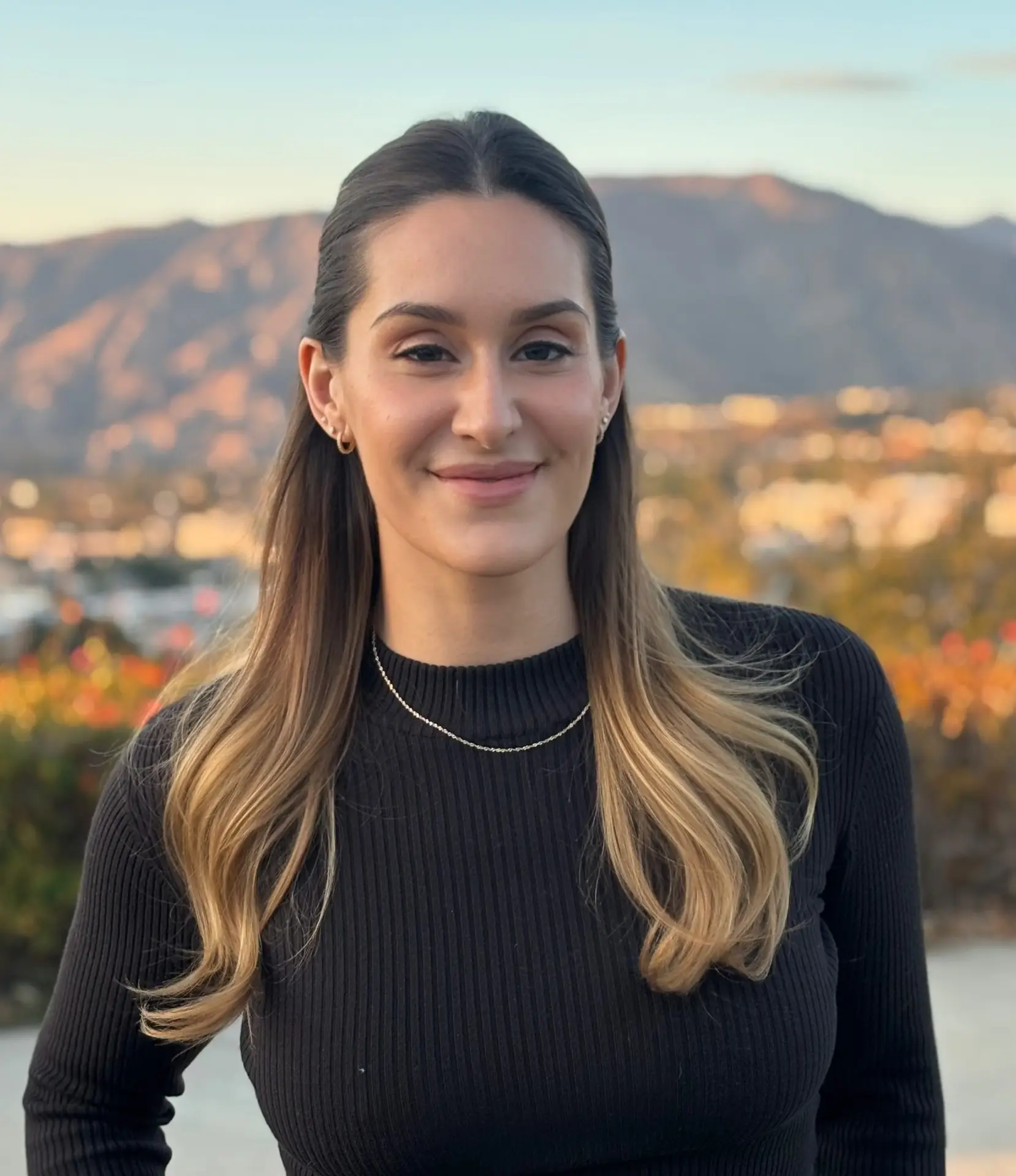




Learn to quiet your most anxious thoughts.
Learn scientifically proven CBT techniques to overcome anxiety, depression, and irrational thoughts so you can see yourself in more realistic and empowering ways.