
“The body keeps the score.”
Diving deeper into TRM.
Our founder, Brooke Sprowl, LCSW, has 20 years in clinical practice. Her signature approach, Nervous System-Based Therapy, works at an unconscious level to shift the patterns running the show beneath the surface.
- ✓ Learn to read your own nervous system, and catch the cues that it has tipped
- ✓ Build practical skills that bring it back into balance in the moment
- ✓ Re-establish a sense of safety in the body, not only in your thinking
- ✓ Treat the symptoms as normal biology, so self-blame stops adding to the injury
Working with your reflexes,
not against them.
The Trauma Resiliency Model (TRM) is an innovative therapeutic approach to trauma that addresses the physical response to traumatic events. TRM is a holistic, body-based approach that can be used independently or in addition to other types of therapies.
As a type of somatic therapy, TRM uses the body’s senses to build healthier pathways within our muscle memory, working with our natural reflexes, not against them.
TRM focuses on the biological and neurological causes of trauma, and the uncontrolled, reflexive defense mechanisms that the human body responds with when faced with triggers and perceived harm.
This includes fight or flight responses, freezing up, and other things the body may do to protect itself from harm.
Nine skills, built on
your body’s own senses.
The Trauma Resiliency Model consists of nine skills that use sensory awareness for emotional regulation and trauma integration, including:
Tracking
Tracking teaches us to tune into our own senses and bodily reactions in real time, as they happen rather than afterwards.
Resourcing
Resourcing helps us build a repository of safe feelings, memories, and ideas, which we can draw upon to self-regulate during times of distress.
Grounding
Grounding allows us to reconnect to our physical bodies by focusing on the safety of our concrete, immediate surroundings.
Gesturing
Gesturing is used as a means of self-soothing through developing a set of calming physical movements, ones you build and can return to whenever you need them.
“Help now”
“Help now” is a skill that trains us to locate resources of resiliency within our own bodies when we are feeling emotionally dysregulated or triggered.
“Shift and stay”
“Shift and stay” is a technique in which we empower ourselves to shift our awareness away from difficult sensations and towards physical wellness, teaching ourselves to experience greater safety and wellbeing.
Titration
Titration teaches us to decouple our trauma responses from their triggers by slowly and gently desensitizing ourselves to stressful stimuli, never all at once.
Pendulation
Pendulation is a method in which we learn to oscillate between feelings of trauma and feelings of safety in a controlled and deliberate way, like a pendulum, so the system learns it can return to safety.
Completion
Completion of survival responses allows us to act out our natural survival responses physically in a safe environment, so the body finishes what it could not finish at the time.
Tracking teaches us to tune into our own senses and bodily reactions in real time, as they happen rather than afterwards.
Resourcing helps us build a repository of safe feelings, memories, and ideas, which we can draw upon to self-regulate during times of distress.
Grounding allows us to reconnect to our physical bodies by focusing on the safety of our concrete, immediate surroundings.
Gesturing is used as a means of self-soothing through developing a set of calming physical movements, ones you build and can return to whenever you need them.
“Help now” is a skill that trains us to locate resources of resiliency within our own bodies when we are feeling emotionally dysregulated or triggered.
“Shift and stay” is a technique in which we empower ourselves to shift our awareness away from difficult sensations and towards physical wellness, teaching ourselves to experience greater safety and wellbeing.
Titration teaches us to decouple our trauma responses from their triggers by slowly and gently desensitizing ourselves to stressful stimuli, never all at once.
Pendulation is a method in which we learn to oscillate between feelings of trauma and feelings of safety in a controlled and deliberate way, like a pendulum, so the system learns it can return to safety.
Completion of survival responses allows us to act out our natural survival responses physically in a safe environment, so the body finishes what it could not finish at the time.
Skills to recalibrate
your nervous system.
Using TRM, we will provide you with the skills to re-calibrate your nervous system to become more aware of your body’s internal state, restoring a sense of safety and vitality. The best part is, these skills are really easy to implement into your everyday routine, even outside of your therapy sessions.
In addition, we will use TRM to help you challenge harmful beliefs that may be causing a negative impact on your life, or may be holding you back from the life you want to create and who you want to be.
At My LA Therapy, we are trained in the Trauma Resiliency Model and many other empirically proven trauma interventions, and we are ready to help you create a customized treatment plan.
We will work with you at a pace that is comfortable for you, drawing on the latest research to help you with your specific needs and integrating other methods as needed to help optimize your care and accelerate your healing.
Working together to increase your trauma resiliency will allow you to feel empowered to face your trauma in a new and effective way so you can restore peace, discover greater freedom, and get your life back.
It’s not your fault.
At My LA Therapy, we understand that trauma symptoms are simply the body’s attempt to re-establish equilibrium within the nervous system. In other words, it’s not your fault.
Proven, practical,
and for every age.
TRM is scientifically proven to reduce depression, anxiety, and hostility symptoms, as well as improve stabilization of the nervous system.
The skills taught within TRM can be practiced by people of all ages, in response to all types of trauma.
TRM is beneficial for any person who has experienced or witnessed an event that was perceived as life threatening or posed a serious injury to themselves or others.
It has been designed as both a trauma reprocessing treatment model as well as a self-care model.
The latest research,
toward your highest potential.
At My LA Therapy, our TRM therapists use the latest research and methods in order to help you reach your highest potential.
Therapy can successfully improve your life by helping you minimize your anxiety, identifying and changing underlying thought and behavioral patterns that contribute to your struggles, and providing you with strategies to decrease discomfort while restoring an overall sense of peace.
To experience true and lasting joy in our life, we must face and conquer our pain by healing our underlying trauma and confronting our fears.
TRM is an evidence-based, scientifically-proven intervention that has been demonstrated by research to be effective in addressing a wide range of mental health conditions including trauma, anxiety, depression, and other related disorders.
Research-based methods,
combined for you.
TRM is rarely used alone. Our therapists draw from experiential, cognitive-behavioral, mindfulness and psychodynamic therapies — evidence-based interventions demonstrated by research to be effective.
 Notice the thought, test it, rebuild the pattern.
Cognitive Behavioral Therapy (CBT)
Identify the distortion, hold it against the evidence, and practice a more balanced response until it sticks.
 CBT built for the aftermath of trauma.
Trauma-Focused CBT (TF-CBT)
For children, teens, families, and adult survivors — processing what happened at a pace that is comfortable for you.
 Watch the thought without obeying it.
Mindfulness-Based Cognitive Therapy (MBCT)
Mindfulness skills folded into CBT, so you can notice a distortion arise without being swept into it.
 Insight you can feel, not just think.
Experiential Therapy
Work that engages emotion and the body in the room, so the shift lands below the level of insight.
 Where the belief came from in the first place.
Psychodynamic Therapy
Trace the belief to its origin, so the work addresses the root and not just the surface.
 Settle the body so the new thought can hold.
Nervous System-Based Therapy
Our founder’s signature approach: regulate the fight-or-flight response in real time, so the skills are usable when it counts.
Evidence-based,
never by the book.
Plenty of therapists list TRM. The difference is judgment — knowing when it is the right move and when the work belongs somewhere deeper. Every therapist on our roster is personally vetted and trained by our founder, Brooke Sprowl, LCSW, with 20 years in clinical practice — so your care is tailored to you rather than run off a protocol. Our team is highly trained and clinically skilled — and, more importantly, open, warm, and authentic. We’re humans too; we’ve been through our own struggles, and that is what equips us to help you navigate yours.
Skills you keep,
not just sessions you attend.
Therapists trained in TRM.
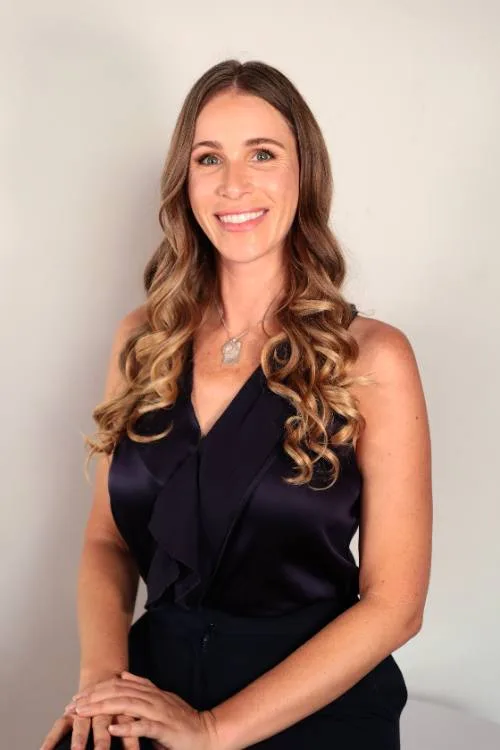
Brooke Sprowl
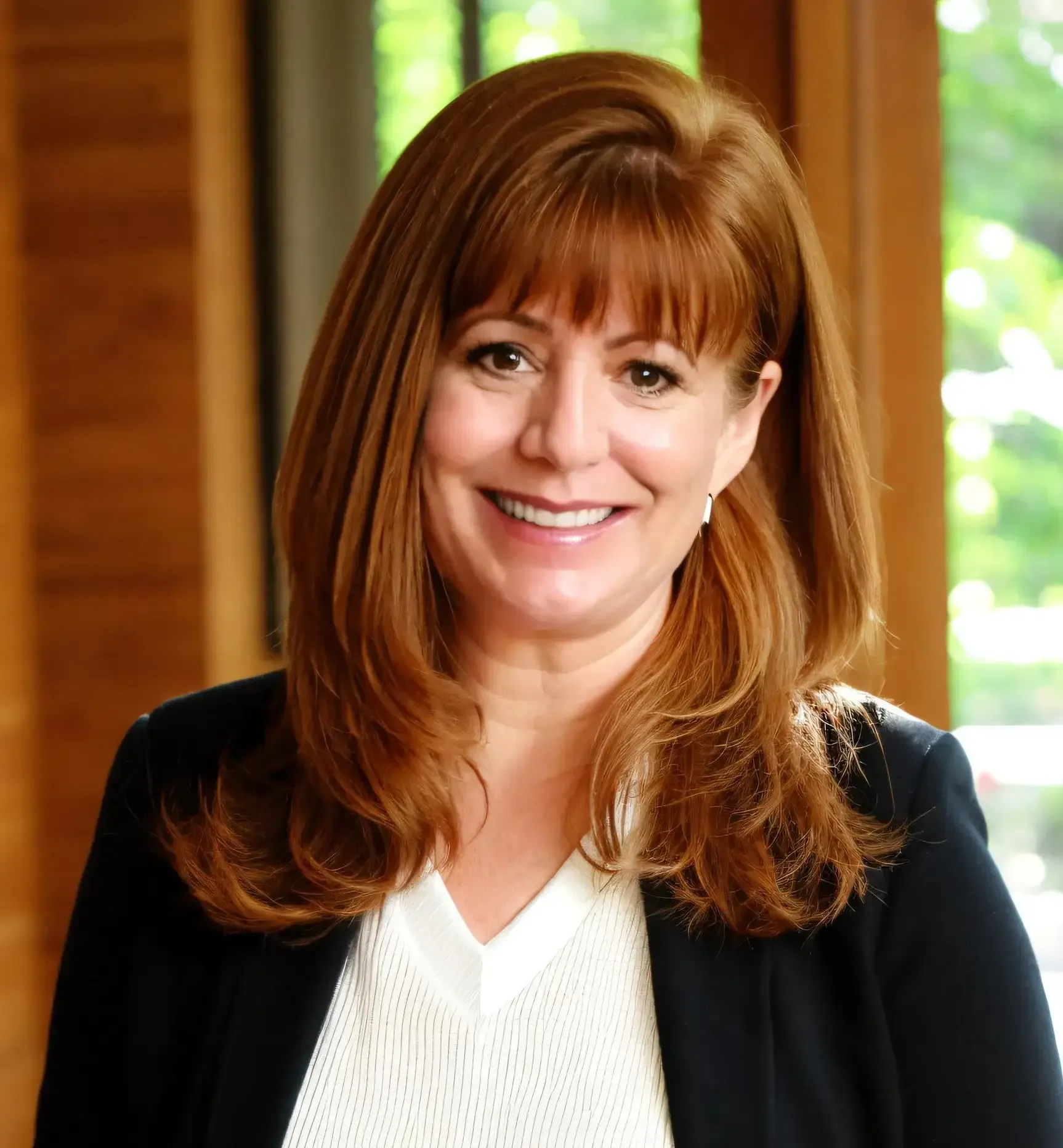
Heather Totten

Sydney Shaevel

Ariel Rhodus

Emilee Johnsen
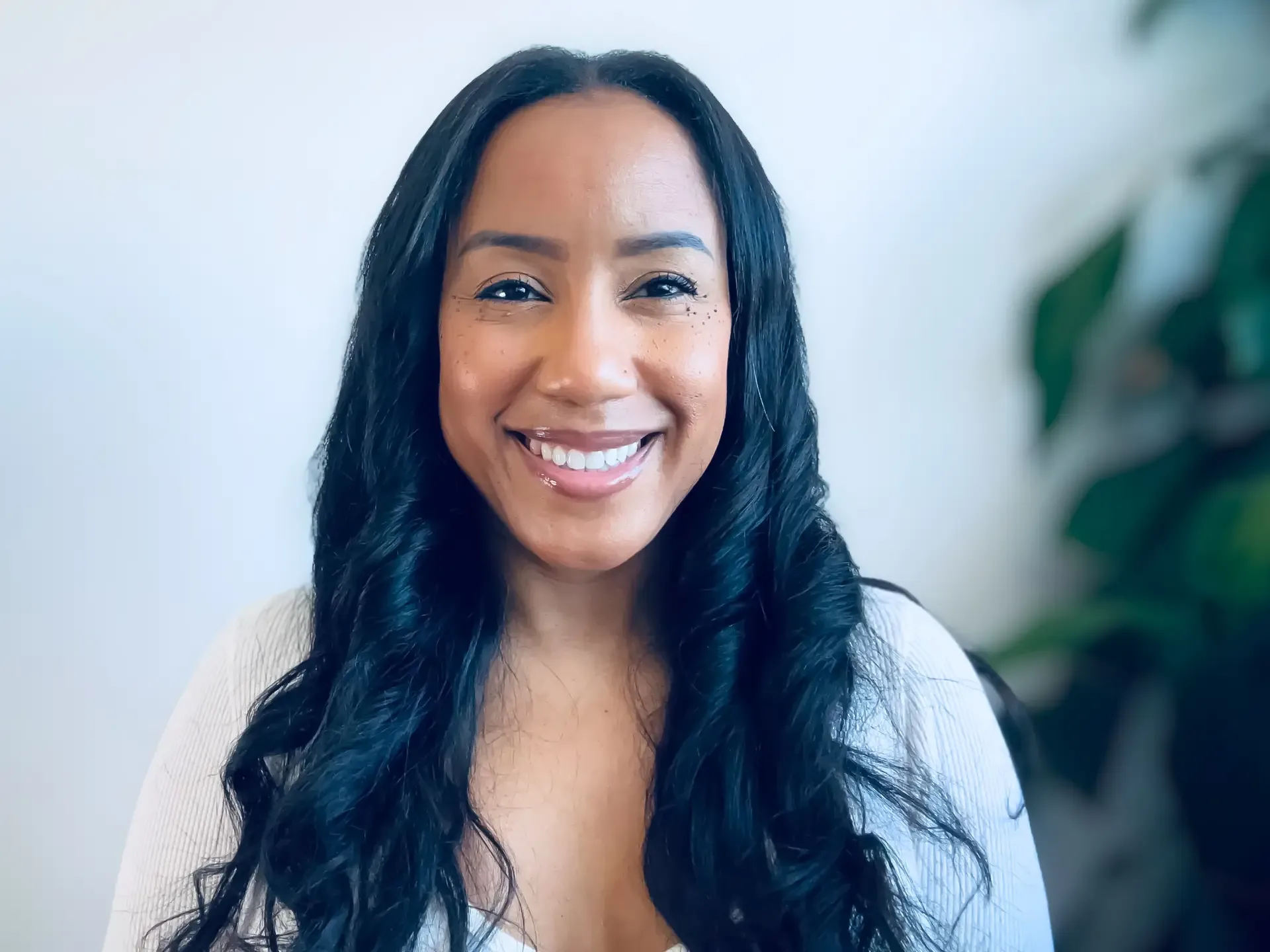
Myesha Reynolds
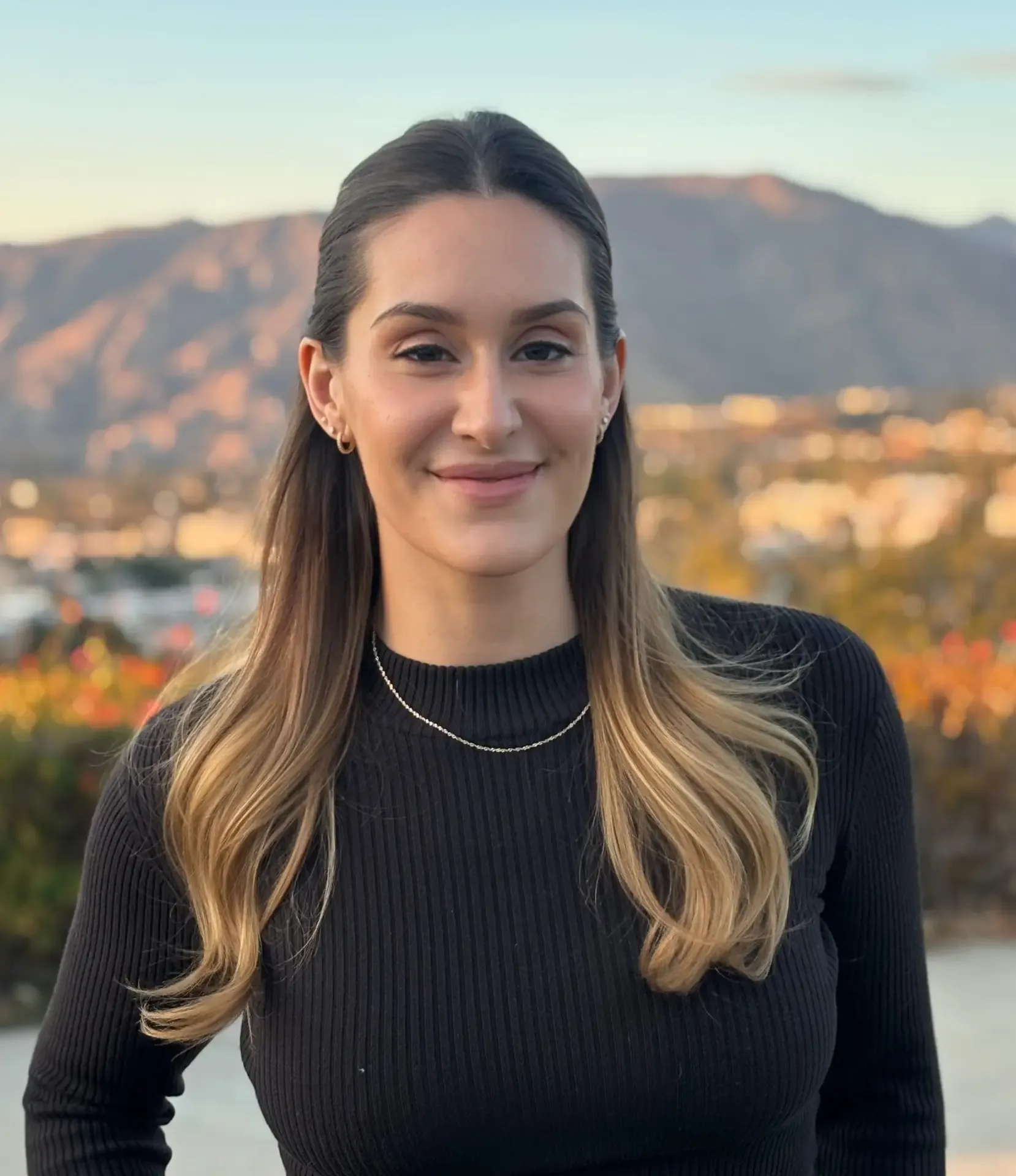
Michelle Stroffolino

Brittany Plut
Eastside, Westside, and everywhere in between.
Seven offices across Los Angeles, plus secure online therapy anywhere in California.
When the body finally felt like home again.
Brooke has the true gift of insight and compassion — getting straight to the heart of your blind spots in a way that’s truly changed my life.
I felt very seen, understood, and supported — Brooke went right to the source of the issue while staying so gentle and kind.
I’d been in therapy on and off for 20 years. Brooke did more in one session than years of work with my previous therapist.
It isn’t your fault. And it is treatable.
One conversation is all it takes to know whether we’re the right fit.
Find my therapist →Before you reach out.
Still deciding? The free 30-minute consult exists for exactly this — no charge, no commitment.
▸ Who is TRM for?
Anyone who has experienced or witnessed an event perceived as life threatening or as posing serious injury to themselves or others. The skills can be practiced by people of all ages, in response to all types of trauma.
▸ Can I use the skills outside sessions?
Yes — that is part of the design. TRM was built as both a trauma reprocessing treatment model and a self-care model, and the skills are easy to fold into an everyday routine.
▸ What does the research show?
TRM is scientifically proven to reduce depression, anxiety and hostility symptoms, as well as to improve stabilization of the nervous system.
▸ How is TRM different from somatic experiencing?
Both are body-based. TRM is a structured curriculum of nine named skills focused on nervous-system regulation, while somatic experiencing is a broader approach to completing the body’s unfinished trauma responses. They are often used together.
▸ Can we do this online?
Yes. We offer secure video sessions anywhere in California. Most of TRM translates directly to video; where a part of it genuinely works better in the room, your therapist will tell you rather than pretend otherwise.
▸ How long does TRM usually take?
It depends on how long the pattern has been running and what sits underneath it. It is not open-ended, though — your therapist will give you a realistic picture after the first session or two rather than a number up front.