Introduction: When Your Cart Becomes a Coping Mechanism
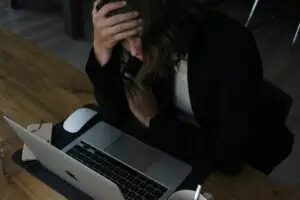
Maybe you’ve had nights where you scroll through shopping apps, adding items to your cart because the news feels bleak, the economy feels unstable, or 2026 just feels… heavy. You tell yourself, “I deserve this,” even as a little voice inside worries about your credit card bill.
Other times, you grab a latte, a cute top, or a small home décor piece after a stressful day in Santa Monica, West LA, or downtown LA — and it does make you feel better for a bit.
So what’s really going on?
In recent years, terms like “doom spending” and “retail therapy” have moved from social media slang into serious mental health conversations. One reflects relatively mild, intentional mood-boosting purchases. The other can spiral into compulsive emotional spending that keeps you stuck in stress, debt, and shame.
This article will help you understand:
- What doom spending and retail therapy actually are
- The key psychological differences between them
- How financial stress affects your mental health
- How to break the cycle in 2026 — especially if you live in Los Angeles or Santa Monica, where lifestyle pressure and cost of living are high
What Is Doom Spending?
Doom spending describes the urge to spend money in response to anxiety about the future — climate anxiety, economic instability, political unrest, or a general sense that “everything is falling apart anyway, so why not enjoy now?”
According to a recent Verywell Mind article on doom spending, many people use unplanned, often excessive spending as a way to cope with chronic stressors and global uncertainty. Instead of saving or planning for the future, they spend to feel something different right now.
Common signs of doom spending:
- You buy things impulsively when you read bad news or think about the future.
- You rationalize purchases with thoughts like, “The world is a mess anyway,” or “I might as well enjoy it while I can.”
- You feel a short-lived high — followed by a crash, guilt, or dread when you see your bank balance.
- You struggle to stick to budgets or long-term financial goals because the present feels too overwhelming.
Doom spending isn’t just about liking nice things; it’s a stress response that temporarily numbs fear, uncertainty, and helplessness.
What Is Retail Therapy?
Retail therapy is when you shop to improve your mood — buying something small or meaningful to lift your spirits after a hard week, breakup, stressful project, or emotional slump.
A Verywell Mind guide to emotional spending and retail therapy notes that while occasional retail therapy can feel harmless or even mildly uplifting, it becomes risky when it’s your primary or automatic way of managing stress or emotions.
Retail therapy might look like:
- Picking up a treat for yourself after a tough client meeting.
- Ordering something small online to cheer yourself up.
- Wandering around a Santa Monica mall or Abbot Kinney boutiques when you feel down, “just to browse,” and leaving with more than you intended.
In moderation, with awareness and within your means, retail therapy doesn’t necessarily signal a mental health crisis. But when your “little treats” become the main way you soothe anxiety, boredom, or loneliness, the line between retail therapy and emotional spending starts to blur.

Doom Spending vs. Retail Therapy: Key Differences
While both involve spending to manage emotions, there are some core distinctions:
1. Motivation
- Retail therapy: “I had a hard day; I want a small pick-me-up.”
- Doom spending: “Everything feels hopeless; why bother saving?”
Retail therapy responds to short-term stress or sadness; doom spending is tied to deep, ongoing anxiety about the future and a sense of fatalism.
2. Intensity & Frequency
- Retail therapy is often occasional and somewhat contained.
- Doom spending can become frequent, impulsive, and high-ticket — more like an emotional outlet than a conscious choice.
3. Relationship with the Future
- Retail therapy doesn’t necessarily dismiss future consequences; you might still budget and plan.
- Doom spending almost relies on the belief that the future is uncertain or doomed, so long-term planning feels pointless.
4. Emotional Aftermath
- Retail therapy may be followed by mild regret or neutrality.
- Doom spending is more likely to result in shame, dread, and deeper anxiety about money, life, and stability.
The Psychology of Emotional Spending
Both doom spending and retail therapy are forms of emotional spending — using purchases to regulate feelings instead of addressing the underlying issue.
APsychology Today overview of emotional spending and compulsive buying explains that shopping can activate the brain’s reward circuitry, releasing dopamine and temporarily easing negative emotions. For a subset of people, this can develop into compulsive buying behaviors that are hard to control and carry significant emotional and financial consequences.
Emotional Functions of Spending
Spending can serve as:
- Distraction from anxiety, grief, or fear
- Comfort when you feel lonely, rejected, or inadequate
- Control in a world that feels chaotic
- Identity expression (“If I look/own this way, I’ll feel like someone different.”)
Over time, your nervous system can start to associate “I feel bad” → “I should buy something” as the default coping sequence. That loop, if unaddressed, becomes a cycle of:
stress → spending → temporary relief → guilt → more stress → more spending.
How Money Stress Affects Mental Health — Especially in 2026
The American Psychological Association’s article on money and stress highlights that money is consistently a top source of stress for adults, and financial strain is linked to anxiety, depression, sleep problems, relationship conflict, and lower overall wellbeing.
In 2026, many people in Los Angeles and Santa Monica face:
- High rent and living costs
- Student loan or credit card debt
- Uncertainty about job stability, the economy, or global events
When money already feels tight, emotional spending can create a painful paradox:
You’re trying to make yourself feel better about a stressful world — but the spending itself increases your personal stress, shame, and instability.
Start Healing Your Relationship with Money, Emotions & Yourself
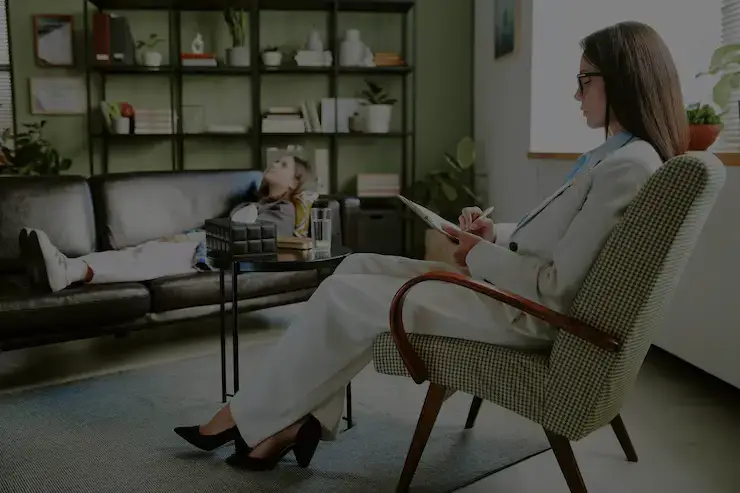
Doom spending and compulsive retail therapy don’t mean you’re weak. They mean you’ve been under more pressure than your nervous system knows how to handle. Schedule your free consultation and begin transforming your spending patterns from the inside out.
Doom Spending & Retail Therapy in LA & Santa Monica: Local Pressures
Living in or near LA brings its own unique spending triggers:
- Lifestyle comparison — seeing luxury cars, curated outfits, trendy restaurants, and feeling like you’re “behind.”
- Industry volatility — creative and gig work, acting, tech, wellness, and start-up cultures with inconsistent income.
- Social expectations — birthdays, brunches, nights out, events, and travel that can nudge you to spend more than you have.
When combined with doom-laden news cycles and digital ads tailored to your emotional patterns, this environment can make both doom spending and retail therapy feel almost inevitable.
Therapy can help you recognize that you are not your environment — you can live in LA without burning yourself out trying to perform a particular lifestyle.
How to Break the Cycle in 2026: Practical Steps
You don’t have to “never treat yourself again” to heal your relationship with spending. Breaking the cycle is about awareness, boundaries, and new coping tools.
1. Name What’s Really Going On
Instead of saying, “I’m just bad with money,” try:
- “I use spending to cope with stress and fear.”
- “I tend to doom spend when I read scary news or feel hopeless.”
- “I turn to retail therapy when I feel lonely or depleted.”
Naming the pattern is the first step toward changing it.
2. Track Your Triggers
For one to two weeks, gently track:
- When you feel the urge to buy
- How you’re feeling emotionally at that moment
- What you’re telling yourself (“I deserve this,” “It doesn’t matter,” “I’m too stressed to care”)
Many people notice predictable patterns: late-night scrolling, post-work fatigue, social conflict, or exposure to distressing headlines.
3. Create a “Pause Plan”
Before you buy, try pausing with one or more of these:
- Take 5–10 slow breaths
- Step away from the screen or store for 10–20 minutes
- Ask yourself, “What am I feeling — and what do I need?”
- Write the item on a 24-hour or 72-hour list and revisit later
The goal isn’t to forbid purchases; it’s to insert time between feeling and buying, so your wise mind has a chance to come online.
4. Build a Menu of Non-Spending Coping Tools
Because you can’t just “stop doom spending” without replacing it, make a list of alternative comforts that don’t involve your card:
- Calling or voice-noting a friend
- Walking on the beach in Santa Monica or in your neighborhood
- Journaling your fears about the future and validating them
- Listening to grounding music or a calming podcast
- Stretching, yoga, or nervous system–soothing practices
An article like the Verywell Mind guide to healthy coping skills offers many ideas for non-spending strategies you can adapt to your life.
5. Set Gentle But Clear Financial Boundaries
Examples:
- A specific monthly “fun spending” budget
- Separate “doom trigger times” (like late-night browsing) where you avoid shopping apps entirely
- Unsubscribing from certain marketing emails or influencers that spark compulsive urges
This is not about punishment. It’s about creating safety for your future self.
6. Explore the Deeper Emotional Roots
If you notice your spending is connected to:
- Emotional neglect or deprivation growing up
- Perfectionism or chronic self-criticism
- Trauma or long-term anxiety
- Relationship stress or loneliness
You don’t have to unpack this alone. A therapist can help you understand why your nervous system reaches for spending — and help you build new patterns grounded in care, not self-sabotage.
Long-Term Healing: Beyond the Cart
Breaking the cycle of doom spending and retail therapy isn’t about becoming perfectly disciplined overnight or never buying something fun again. Long-term healing looks like:
- Emotional literacy — recognizing what you feel and what you truly need
- Financial self-compassion — acknowledging your starting point without shame
- Aligned choices — spending that reflects your values, not your panic
- Resilience — knowing that when the world feels frightening, you have more options than “buy now”
In 2026 and beyond, the world may still feel uncertain. But your relationship with yourself doesn’t have to be.
You can learn to soothe your nervous system, honor your emotions, and still protect your future — one mindful choice at a time.
And if you’d like support along the way, our team at My LA Therapy is here to walk with you.
Stay curious, stay compassionate, and know that your journey is uniquely yours.
And in that uniqueness lies your power.
In the meantime, stay true, brave, and kind,
– Brooke