Vagus nerve stimulation has become a growing topic of interest for people looking beyond quick fixes and toward long-term stress management.
As modern life becomes increasingly fast-paced, many people are discovering that improving the body’s natural relaxation response often requires more than meditation apps or an occasional day off.
Combining nervous system regulation with mindful movement offers a practical, sustainable way to feel calmer, sleep better, and recover from daily stress.
The vagus nerve is the longest cranial nerve in the body, connecting the brain to major organs, including the heart, lungs, and digestive system. It plays a central role in the parasympathetic nervous system, often referred to as the “rest and digest” response.
When this system functions well, the body can recover more efficiently after stressful situations instead of remaining in a prolonged state of tension.
For those interested in learning more about techniques and tools that support vagus nerve stimulation, understanding how the nervous system works is an excellent place to start.
Understanding the Body’s Natural Stress Response
Stress is not always harmful. In fact, the body’s fight-or-flight response is designed to protect us during emergencies.
The problem begins when that response never fully switches off.
Imagine someone juggling back-to-back meetings, long commutes, family responsibilities, and poor sleep.
Even after the workday ends, their heart rate stays elevated, their shoulders remain tense, and falling asleep becomes difficult.
Over time, this constant state of alertness may contribute to fatigue, digestive discomfort, poor concentration, and muscle tightness.
Supporting parasympathetic activity helps shift the body away from survival mode and toward recovery.
This process can improve emotional regulation, breathing patterns, digestion, and overall resilience to everyday challenges.
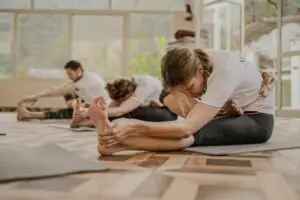
Pairing these practices with mindful movement at a Pilates studio Palo Alto can further support relaxation by encouraging controlled breathing, improved posture, and greater body awareness—all of which help the nervous system transition into a calmer, more balanced state.
How Pilates Supports Nervous System Regulation
Pilates is often associated with core strength and flexibility, but its benefits extend much further.
Every session encourages intentional breathing, controlled movement, and improved body awareness, all of which can positively influence the autonomic nervous system.
Unlike high-intensity workouts that may temporarily increase stress hormones, Pilates emphasizes smooth, coordinated movement.
Participants learn to synchronize breathing with each exercise, naturally encouraging slower respiratory patterns that help the body relax.
Consider someone who spends eight hours sitting at a computer every day.
Their posture gradually deteriorates, breathing becomes shallow, and neck tension builds throughout the week.
A thoughtfully designed Pilates session addresses these patterns by improving alignment, expanding breathing capacity, and restoring balanced movement.
Many people leave class feeling mentally refreshed rather than physically exhausted.
Why Breathing Matters More Than Most People Realize
Breathing is one of the few body functions that can operate both automatically and voluntarily.
That makes it a powerful bridge between conscious actions and the nervous system.
Slow diaphragmatic breathing sends signals that conditions are safe, encouraging the body to reduce unnecessary tension.
This is one reason breathing exercises frequently appear in mindfulness practices, yoga, and rehabilitation programs.
Pilates naturally reinforces this principle. Rather than treating breathing as an afterthought, instructors integrate it into nearly every movement.
As breathing improves, people often notice reduced muscle guarding, smoother movement patterns, and better focus throughout the day.
The Mind-Body Connection in Everyday Life
Stress rarely exists only in the mind. It often appears physically through headaches, jaw clenching, tight hips, digestive discomfort, or persistent shoulder pain.
Movement practices that combine awareness with controlled exercise help people recognize these patterns before they become chronic.
Instead of pushing through discomfort, individuals begin noticing how posture, breathing, and emotional stress influence one another.
For example, someone preparing for an important presentation might unknowingly hold their breath and tighten their shoulders for hours.
Developing greater body awareness makes it easier to recognize those habits and interrupt them before they escalate into physical discomfort.
Building a Sustainable Wellness Routine
Many wellness trends promise dramatic transformations within days.
In reality, nervous system health usually improves through consistent daily habits rather than occasional intense efforts.
A balanced routine may include:
- Regular Pilates sessions that emphasize controlled movement.
- Daily breathing exercises lasting five to ten minutes.
- Walking outdoors without constant phone distractions.
- Prioritizing quality sleep and consistent bedtime routines.
- Limiting prolonged periods of sitting with regular movement breaks.
- Practicing mindfulness during ordinary activities like cooking or commuting.
These habits may seem simple individually, but together they create an environment where the body can recover more effectively from daily demands.
Supporting Emotional and Physical Resilience
One overlooked benefit of nervous system regulation is improved adaptability.
Stressful situations will always occur, but the goal is not to eliminate stress.
Instead, it’s about recovering more efficiently afterward.
Someone who regularly practices mindful movement may still experience workplace pressure or unexpected life challenges.
The difference is that their body often returns to a calmer baseline more quickly, reducing the lingering effects of chronic stress.
Researchers continue exploring how relaxation techniques, controlled breathing, and gentle physical activity influence heart rate variability, emotional regulation, and overall well-being.
While individual results vary, these approaches increasingly form part of comprehensive wellness strategies focused on prevention rather than reaction.
Choosing an Approach That Fits Your Lifestyle
Not everyone enjoys the same type of exercise, and that’s perfectly normal.
The best stress-management routine is one that feels sustainable enough to become part of everyday life.
Pilates appeals to many people because sessions can be adapted for beginners, older adults, athletes, or individuals recovering from injury.
Rather than competing against others, participants focus on improving their own movement quality, posture, and breathing efficiency.
Whether someone attends a local studio several times each week or simply incorporates breathing exercises into a busy schedule, small, consistent actions often produce more meaningful long-term results than occasional bursts of motivation.
Bringing Movement and Relaxation Together
Modern stress affects far more than mood. It influences sleep, digestion, concentration, posture, energy levels, and physical comfort throughout the day.
Addressing these challenges requires looking beyond isolated symptoms and considering how the entire nervous system functions.
A thoughtful combination of mindful movement, intentional breathing, and lifestyle habits creates a foundation for lasting well-being.
Pilates offers a structured environment where these elements naturally work together, helping individuals reconnect with their bodies while building strength and resilience.
Rather than chasing temporary relief, focusing on nervous system balance encourages healthier responses to everyday pressures.
Over time, these consistent practices can support better recovery, greater emotional stability, improved movement quality, and a stronger sense of overall wellness.