Cognitive processing therapy, for the memory taking up too much room.
Trauma in any form is hard to shake. But when we hold onto our unhealthy thoughts about ourselves and our lives, we give trauma even more power than it already has. And let’s be real, it doesn’t deserve any more real estate in your brain.
“Men are disturbed not by things, but by the views which they take of them.”
— Epictetus
From the founder of My LA Therapy
Diving deeper into CPT.
Our founder, Brooke Sprowl, LCSW, has 20 years in clinical practice. Her signature approach, Nervous System-Based Therapy, works at an unconscious level to shift the patterns running the show beneath the surface.
Brooke Sprowl, LCSW
Founder & Clinical Director
20 yearsin practice
More from Brooke
Brooke Sprowl on trauma
Brooke Sprowl on cognitive behavioral therapy (CBT)
Together we will:
✓Notice the thoughts and feelings that attached themselves to what happened
✓Build a new interpretation of the event, so it stops setting your mood and behavior
✓Change the beliefs about yourself and the world that formed in the aftermath
✓Approach the memory in a safe, paced way, so the fear loses its hold
What CPT does
A new understanding of what happened.
CPT has been found to be the most successful in alleviating trauma-related PTSD symptoms while maintaining long term recovery.
This therapy approach teaches you to become aware of your thoughts and feelings surrounding your trauma, and to create a new understanding and interpretation of the event in order to lessen its negative impact on your life.
CPT is also used to help you change and modify unhealthy beliefs related to your trauma, and manage your memories effectively by gaining a more in-depth understanding of how your symptoms can affect your thoughts about yourself and the world around you.
Our ultimate goal is to improve the way you feel on a day-to-day basis, without your trauma dictating your mood or behaviors.
CPT was originally developed to help process the emotions (especially fear) caused by PTSD, and to help manage them in a way that’s conducive to a happier and more functional life.
According to the underlying theories of CPT, exposure to your traumatic event, in a safe environment, is a crucial step in accepting, processing, and giving less power to your fear.
How CPT works
More interactive than the name suggests.
While the title “Cognitive Processing Therapy” may seem scientific and impersonal, your sessions will actually be very interactive as we discuss ways to shift your negative thoughts surrounding your trauma.
How CPT works
Interactive sessions
Throughout our sessions, we will work together to consider other ways of thinking about your situation and beliefs about yourself that have surfaced in the aftermath of your traumatic experience.
We will use a wide range of different techniques during our sessions, and we will even give you tools to practice at home in your own time.
How CPT works
Psychoeducation
The process will begin with some psychoeducation, where we teach you about the symptoms and impacts of PTSD.
This will make you aware of your “automatic thoughts” that may be perpetuating your PTSD symptoms.
How CPT works
Processing the trauma
Then, you will learn to process your trauma more directly by verbally talking about it or writing it down on paper. And of course, we will be there to help you navigate your thoughts and feelings along the way.
While facing trauma may seem like a daunting and intimidating process, we will be there to guide you through the pain and into a greater sense of healing, safety, and peace.
How CPT works
Changing the beliefs
We will continue to work with you in getting rid of your unhelpful thoughts and beliefs, helping you transform self-blame and self-hatred into self-compassion and self-worth.
Once you are able to identify your automatic, negative thoughts, you will continue to use your newfound skills to modify your traumatic thoughts and beliefs.
How CPT works
Practice between sessions
CPT also involves work outside of session, so that you gain the greatest benefits possible from treatment by integrating practical exercises into your life.
We will supply you with worksheets that will help you implement your newly-learned strategies in the real world.
How CPT works
A plan built for you
Our therapists understand that everyone who experiences trauma is unique, and that your experience is extremely personal. That’s why we will develop a plan of action that is tailored to your individual needs.
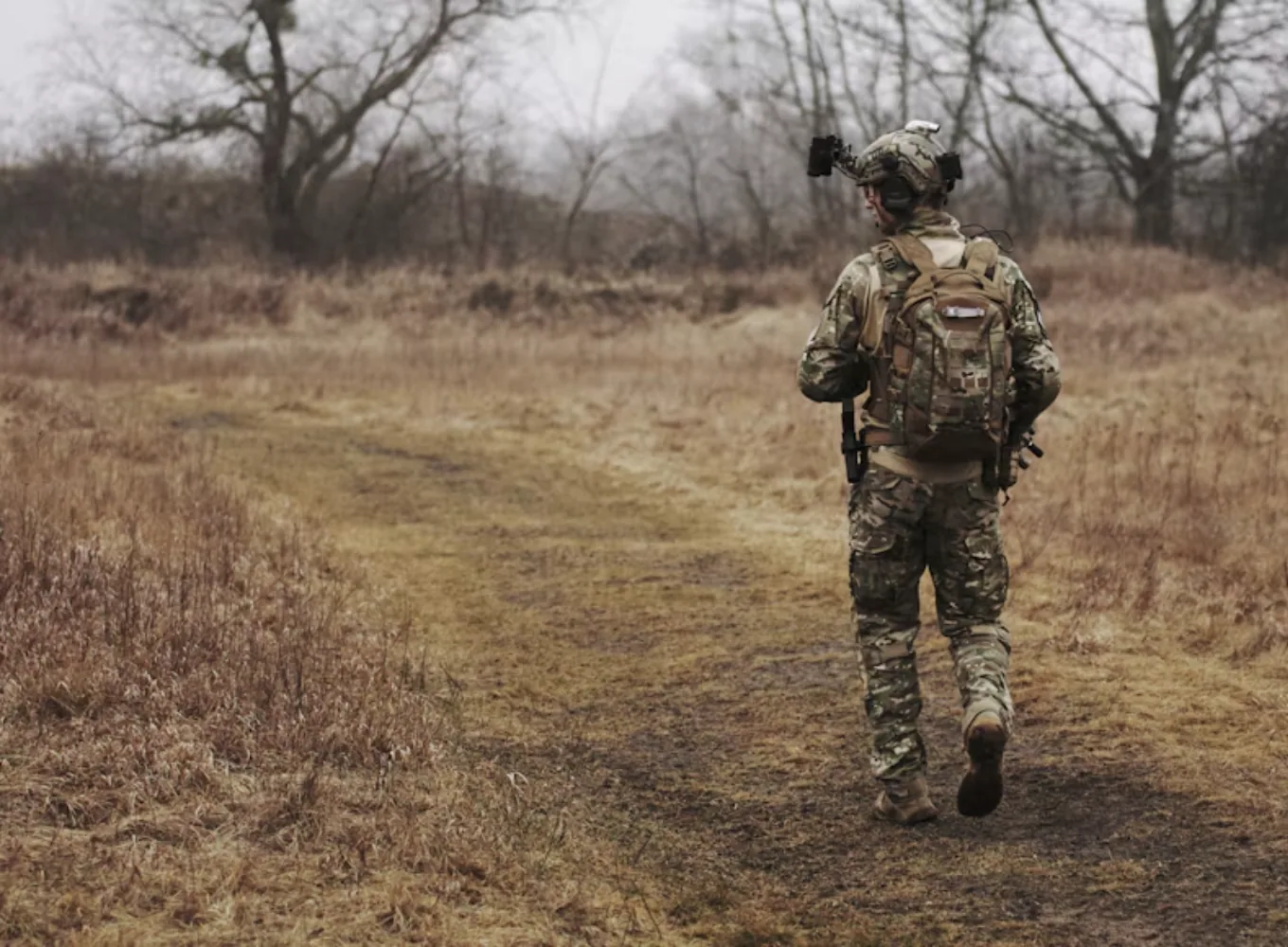
It’s also important to note that CPT’s efficacy may differ for different populations, and may be less effective for combat-induced PTSD. You might want to look into EMDR or TRM for combat-induced trauma; follow the links to visit our dedicated pages and learn more.
How CPT works
What you take with you
Our CPT sessions are designed to help patients learn skills to improve their quality of life, and help alleviate comorbid mental illnesses such as depression, substance abuse, and dissociation.
At the same time, you will learn to trust yourself and those around you, improve your self-esteem, and increase your ability to be intimate again.
At My LA Therapy, we are ready and prepared to help you take control of your story, manage your trauma, and get your life back. Using Cognitive Processing Therapy, we will challenge the cognitive distortions surrounding your trauma, so you can experience greater freedom, peace, and vitality.
How CPT works
Throughout our sessions, we will work together to consider other ways of thinking about your situation and beliefs about yourself that have surfaced in the aftermath of your traumatic experience.
We will use a wide range of different techniques during our sessions, and we will even give you tools to practice at home in your own time.
How CPT works
The process will begin with some psychoeducation, where we teach you about the symptoms and impacts of PTSD.
This will make you aware of your “automatic thoughts” that may be perpetuating your PTSD symptoms.
How CPT works
Then, you will learn to process your trauma more directly by verbally talking about it or writing it down on paper. And of course, we will be there to help you navigate your thoughts and feelings along the way.
While facing trauma may seem like a daunting and intimidating process, we will be there to guide you through the pain and into a greater sense of healing, safety, and peace.
How CPT works
We will continue to work with you in getting rid of your unhelpful thoughts and beliefs, helping you transform self-blame and self-hatred into self-compassion and self-worth.
Once you are able to identify your automatic, negative thoughts, you will continue to use your newfound skills to modify your traumatic thoughts and beliefs.
How CPT works
CPT also involves work outside of session, so that you gain the greatest benefits possible from treatment by integrating practical exercises into your life.
We will supply you with worksheets that will help you implement your newly-learned strategies in the real world.
How CPT works
Our therapists understand that everyone who experiences trauma is unique, and that your experience is extremely personal. That’s why we will develop a plan of action that is tailored to your individual needs.
It’s also important to note that CPT’s efficacy may differ for different populations, and may be less effective for combat-induced PTSD. You might want to look into EMDR or TRM for combat-induced trauma; follow the links to visit our dedicated pages and learn more.
How CPT works
Our CPT sessions are designed to help patients learn skills to improve their quality of life, and help alleviate comorbid mental illnesses such as depression, substance abuse, and dissociation.
At the same time, you will learn to trust yourself and those around you, improve your self-esteem, and increase your ability to be intimate again.
At My LA Therapy, we are ready and prepared to help you take control of your story, manage your trauma, and get your life back. Using Cognitive Processing Therapy, we will challenge the cognitive distortions surrounding your trauma, so you can experience greater freedom, peace, and vitality.
What CPT treats
Built for trauma, and what follows it.
CPT was built for PTSD and the events that most often cause it, and for the difficulties that tend to follow in its wake.
Post-traumatic stress disorder
The condition CPT was designed for, and where its evidence base is strongest.
–Intrusive memories, nightmares and flashbacks
–Fear that stays switched on long after the danger has passed
–“Automatic thoughts” that keep the symptoms going
–Avoiding the people, places and reminders tied to the event
Therapy can successfully improve your life by minimizing the anxiety in your life, identifying and changing underlying thought and behavioral patterns that contribute to your struggles, and providing you with strategies to decrease discomfort while restoring an overall sense of peace.
CPT is an evidence-based, scientifically proven intervention that is demonstrated by research to be effective in addressing a wide range of psychological issues including trauma, depression, anxiety, and relationship issues.
Learn more about our empirically based therapy modalities by visiting our Methods page.
Our therapy methods
Research-based methods, combined for you.
CPT is rarely used alone. Our therapists draw from experiential, cognitive-behavioral, mindfulness and psychodynamic therapies — evidence-based interventions demonstrated by research to be effective.
Plenty of therapists list CPT. The difference is judgment — knowing when it is the right move and when the work belongs somewhere deeper. Every therapist on our roster is personally vetted and trained by our founder, Brooke Sprowl, LCSW, with 20 years in clinical practice — so your care is tailored to you rather than run off a protocol. Our team is highly trained and clinically skilled — and, more importantly, open, warm, and authentic. We’re humans too; we’ve been through our own struggles, and that is what equips us to help you navigate yours.
✓Personally vetted by Brooke Sprowl, LCSW
Status quo vs. My LA Therapy
Take back the story.
Status quo
The My LA Therapy way
Status quo
✕A manualized protocol run session by session, the same way for everyone.
The My LA Therapy way
✓Therapists trained in CPT who tailor the plan to your experience rather than running it by the book.
Status quo
✕One method applied to every trauma, even where the research points elsewhere.
The My LA Therapy way
✓Honest about fit — we will point you to EMDR or TRM where the research suggests they serve you better.
Status quo
✕Insight in the session that never makes it into the rest of your week.
The My LA Therapy way
✓Worksheets and between-session practice, so the skills work outside the room.
Status quo
✕A clinical, impersonal process for the hardest thing that ever happened to you.
The My LA Therapy way
✓Warm, experienced therapists committed to compassionate, client-centered care.
The standard we hold
Twenty years of clinical experience behind every match.
★ 4.9average rating
100%match guarantee
Hand-matched, on us
Stop searching. We'll do it for you.
Tell us what's going on and we'll hand-select the right therapist for you.
1
You share what's going on
A few details — that's this form.
2
We hand-match you
Our therapist matching specialist personally matches you, usually the same day.
3
You meet, and decide
Love your therapist or get a full refund on your first session.
★★★★★
"I was in therapy on and off for 20 years. Brooke did more in one session than years of work with my previous therapists."
Let's find you the right therapist.
✓Every therapist vetted by Brooke Sprowl, LCSW· 20 years in practice
How can we help? *
Choose any that apply.
Which locations are most convenient for you?
More locations = more options
Free & confidential · Love your therapist — or your money back
★★★★★
"I was in therapy on and off for 20 years. Brooke did more in one session than years of work with my previous therapists."
Still deciding? The free 30-minute consult exists for exactly this — no charge, no commitment.
▸Do I have to write about the trauma?
You process it either by talking about it or by writing it down — whichever you can tolerate. Your therapist is with you throughout, and the pace is set around what you can manage.
▸What are automatic thoughts?
The beliefs that fire without deliberation in the aftermath of trauma — often about your own blame, safety or worth — and that can perpetuate PTSD symptoms. Psychoeducation at the start of CPT is largely about learning to notice them.
▸Is CPT right for combat trauma?
Its efficacy can differ between populations and may be lower for combat-induced PTSD. For that we would usually suggest EMDR or the Trauma Resiliency Model, and we will say so rather than press ahead.
▸Is there homework?
Yes. CPT involves practical exercises between sessions, and we supply worksheets that help you put the strategies to work in everyday life.
▸Can we do this online?
Yes. We offer secure video sessions anywhere in California. Most of CPT translates directly to video; where a part of it genuinely works better in the room, your therapist will tell you rather than pretend otherwise.
▸How long does CPT usually take?
It depends on how long the pattern has been running and what sits underneath it. It is not open-ended, though — your therapist will give you a realistic picture after the first session or two rather than a number up front.
Explore My LA Therapy
Take a look around.
Get to know us at your own pace, or skip the research and let us match you.